Let’s talk about something that doesn’t get nearly enough attention in the SEO world: internal linking. Sure, everyone knows about keywords, backlinks, and meta tags, but internal linking?
It’s like the quiet kid in class who ends up being the valedictorian. When done right, internal linking can transform your website’s SEO, improve user experience, and even boost your rankings.
But here’s the thing—internal linking isn’t just about slapping a few links here and there. It’s about creating a web of relevance that guides both search engines and users through your content. In this guide, we’re going to break down everything you need to know about internal linking, from the basics to advanced strategies. By the end, you’ll have a clear, actionable plan to make your internal linking strategy work harder for you.
What is Internal Linking? (And Why Does It Matter?)
At its core, internal linking is the practice of linking one page on your website to another page on the same website. These links act like pathways, guiding users and search engines through your content. But internal linking isn’t just about navigation—it’s about creating a structure that makes your site easier to crawl, more relevant to search engines, and more engaging for users.
Example of an Internal Link:
<a href="https://www.yourwebsite.com/how-to-choose-running-shoes" title="How to Choose the Right Running Shoes">Check out our guide on choosing running shoes</a>
Why Internal Linking Matters:
Improves User Experience: Internal links help users find related content, keeping them engaged and reducing bounce rates.
Helps Search Engines Crawl Your Site: Google’s bots use internal links to discover and index your pages. Without them, some pages might never get indexed.
Distributes Link Equity: When a high-authority page links to another page on your site, it passes some of its “link juice,” boosting the linked page’s rankings.
Increases Page Views and Session Duration: By guiding users to relevant content, internal links encourage them to stay on your site longer.
Enhances Thematic Relevance: Search engines better understand your website’s structure and topic relationships.
The Core Principle: Passing Relevance
Internal linking isn’t just about linking—it’s about passing relevance. Think of it like a conversation. If you’re talking about coffee makers, you wouldn’t suddenly start discussing car engines, right? The same goes for your internal links. They should guide users and search engines to content that’s contextually relevant and adds value.
How to Pass Relevance:
Contextual Matching: Ensure the content of the linked article is related to the main topic of the current page. Example: If your main topic is “coffee makers,” link to articles like “types of coffee makers” or “how to clean a coffee maker.”
Semantic Relevance: Use headings and subheadings (H2, H3) that reflect the main concept.
Avoid Irrelevant Links: Linking to unrelated content confuses search engines and users, reducing credibility.
Leverage Anchor Text Wisely: Use meaningful anchor text with relevant keywords to guide both users and search engines.
Balancing Link Quantity and Quality
One of the biggest mistakes people make with internal linking is going overboard. Too many links can dilute the relevance and confuse both users and search engines. Here’s how to strike the right balance:
1. Prioritize Important Links
Not all links are created equal. Focus on linking to your most important pages first. Example: In an article about “coffee makers,” prioritize links to comprehensive guides like “how to choose a coffee maker.”
2. Limit Excessive Linking
While it’s tempting to link to every related article, too many links can overwhelm readers and dilute the SEO benefits. Aim for a manageable number of highly relevant links—somewhere between 5-10 per page, depending on the length of your content.
Advanced Internal Linking Strategies
1. Topic Clusters and Pillar Pages
Topic clusters are groups of related content centered around a main topic (or “pillar page”). Example: A pillar page on “Digital Marketing” could link to cluster pages like “SEO Basics” and “Social Media Marketing.”
How to Implement:
Identify your main topics (pillar pages).
Create supporting content (cluster pages) that links back to the pillar page.
Use internal links to connect related cluster pages.
2. Core vs. Outer Sections
Your website likely has core sections (main content areas) and outer sections (supplementary content). Understanding how to link between these sections can enhance your site’s structure and SEO performance.
Linking Strategies:
Core to Core Linking: Strengthen main content pages.
Core to Outer Linking: Occasionally link to supplementary content.
Outer to Core Linking: Drive traffic from outer content back to your main pages.
3. Strategic Placement of Links
Where you place your links matters. Instead of burying them at the bottom of the page, integrate them naturally into your content.
Best Practices for Internal Linking
Use Descriptive Anchor Text
Anchor text is the clickable text that links to another page on your website. Its role is crucial in both guiding users and signaling to search engines about the content they’ll be directed to. Descriptive anchor text should clearly describe what the linked page is about while incorporating relevant keywords. Avoid vague phrases like “click here” or “read more,” as they don’t provide much context or keyword value. Instead, use keyword-rich phrases that are natural and relevant to the target page’s content.
Example:
Instead of linking the phrase “click here for more information,” you could link the phrase: “learn more about effective email marketing strategies.”
If linking to a blog post about SEO best practices, use anchor text like “improve your site’s ranking with advanced SEO techniques” instead of just “read more here.”
This not only improves user experience by making the link’s destination clear but also signals to search engines that the linked page is relevant for those keywords.
Create a Logical Site Structure
An intuitive site structure ensures that both users and search engines can easily navigate your site and find the most relevant content. The ideal site structure is pyramid-like:
Homepage: This is the highest level of the hierarchy and should link out to all major category pages.
Category Pages: These pages group similar content together and serve as a middle tier, guiding users deeper into specific topics.
Subcategory Pages/Blog Posts: These are the bottom-level pages that dive deeper into specialized subjects, often answering more specific user queries.
A well-organized structure also makes internal linking much easier. For example, if your homepage links to multiple categories, each category page should link to related subcategories or blog posts, and those blog posts can link back to category pages or other related blog content.
Example:
Homepage → “Digital Marketing” Category Page → “SEO Best Practices” Blog Post → Related articles like “On-Page SEO Tips” or “Link Building Strategies”
A well-structured website could have a homepage that links to categories like “Content Marketing,” “SEO,” and “Paid Advertising,” and from each category page, link to various subtopics and blog posts that cover these areas in depth.
Avoid Orphan Pages
Orphan pages are pages with no internal links pointing to them. If a page is isolated with no links, search engines may have difficulty discovering it, and users won’t be able to easily find it either. Every important page should be integrated into the site’s linking structure, ensuring that it’s accessible to both users and search engines.
To identify orphan pages, you can use tools like Screaming Frog or Ahrefs, which will crawl your site and flag pages with no internal links pointing to them. These pages can be connected by adding relevant internal links, helping users find them and ensuring that search engines crawl and index them.
Example:
If you have a service page about “PPC Campaign Management” that isn’t linked anywhere else on your site, it’s an orphan page. You could link it from relevant blog posts about “PPC Advertising” or “Paid Search Strategies.”
Similarly, if you have a blog post on “Content Marketing Trends in 2025,” make sure it links to the main “Content Marketing” category or other relevant articles on your site.
Connecting orphan pages not only boosts SEO but also improves the user experience by ensuring every piece of content is discoverable.
Regularly Audit Your Internal Links
Internal linking requires ongoing attention. Websites evolve – new pages are added, URLs change, or content gets updated. Regular audits are necessary to ensure that all links are functioning correctly and that the internal linking structure remains relevant and efficient. Broken links, redirect loops, and orphan pages can negatively impact both SEO and user experience.
Use tools like Moz Pro, Sitebulb, or Screaming Frog to regularly check for:
Broken Internal Links: Links that lead to non-existent pages, which could create a poor user experience and hurt SEO.
Redirect Loops: When a page redirects to another page, which then redirects back to the original page, causing an endless loop that frustrates users and confuses search engines.
Orphan Pages: Pages that aren’t linked anywhere else on the site, which might remain hidden from both search engines and users.
Poor Anchor Text Usage: Ensure that anchor text is still relevant and descriptive, using appropriate keywords that align with the linked content.
Example:
Regularly run audits to check if any pages that have been deleted still have internal links pointing to them. If you find any, either update the links or redirect them to relevant pages.
Ensure that every new blog post links to related posts on your site. For example, if you publish an article on “Email Marketing Trends in 2025,” link to other related blog posts like “The Future of Email Personalization” or “How to Build an Email List in 2025.”
By staying on top of internal link maintenance, you’ll ensure a smooth, user-friendly experience and avoid any SEO pitfalls. Regular audits will also help you keep your content organized and ensure that your site’s pages remain interlinked in a logical, effective way.
The Benefits of Effective Internal Linking
By following internal linking best practices, you’re not just optimizing for search engines, but also ensuring your website delivers a smoother, more engaging experience for visitors. Here’s a deeper dive into the key benefits:
Improved Rankings
Internal links are a powerful way to distribute link equity (the value that one page passes on to another). When you strategically link to high-priority pages—such as your main service pages or high-converting blog posts—you pass some of the authority from other pages to these important sections. For example, if you have a blog post about “SEO Best Practices” and link it to your primary “SEO Services” page, the internal link can help transfer the page authority to boost its rankings on search engine results pages (SERPs). This helps improve the visibility of critical pages, particularly if they are buried deeper in the site’s hierarchy.
Example: Imagine you have a blog post on “How to Choose the Right Digital Marketing Agency” that’s performing well. By linking this post to your “About Us” page or “Contact Us” page with specific, keyword-rich anchor text like “Learn more about our expert digital marketing team,” you improve both page visibility and encourage conversions from users who trust your content.
Better User Experience
Internal links act as roadmaps, guiding users to additional content they might find helpful. This reduces the effort needed to find related material and keeps users on your site longer, thus reducing bounce rates. A well-organized linking structure also allows users to discover more content that aligns with their interests, making it more likely they will engage further. For example, linking related blog posts or articles under a “You may also like” section at the end of your content makes it easier for users to explore more, improving their experience and satisfaction on your site.
Example: If a user lands on a blog post about “How to Start an E-commerce Business,” providing links to other resources like “E-commerce Platforms Comparison” or “How to Market Your E-commerce Store” makes it easier for the user to dive deeper into the subject matter, offering a more enriched, seamless browsing experience.
Enhanced Crawlability
Search engines use internal links to crawl and index your pages, helping them understand the structure of your website and which pages are the most important. Well-structured internal linking ensures that search engine bots can easily follow links and discover every page on your site, even those deep within your site hierarchy. A site with broken links or orphan pages may cause search engines to overlook some content, leading to missed opportunities in ranking.
Example: If you’ve just launched a new product page, linking to it from several key pages (like category pages, homepage, or blog posts related to the product) will help search engine crawlers easily find and index that page. For instance, a “Best Selling Products” page that includes links to the new product page can help search engines discover the page faster and assign it relevance.
Higher Conversions
Internal linking not only helps users find more content but can also drive them to conversion-focused pages, which is critical for boosting your sales or lead generation. By strategically linking to call-to-action (CTA) pages—such as product pages, service offerings, or lead capture forms—you can guide visitors along their buyer’s journey. When done correctly, internal links serve as nudges that encourage users to take action, like making a purchase or filling out a contact form.
Example: Suppose you have an informative blog post on “Best Practices for Web Design.” By linking to your service page offering web design services with anchor text like “Get a custom web design tailored to your business needs,” you guide users toward conversion. This internal link not only provides valuable information but also invites users to take the next step toward hiring your services, potentially increasing your conversion rate.
A well-thought-out internal linking strategy benefits not only your website’s SEO but also enhances user satisfaction, search engine crawlability, and conversion rates. By linking thoughtfully, you ensure that visitors and search engines can easily access your most important pages, creating a more engaging and profitable website.
Try Linking Smarter Today
Internal linking might seem like a small detail, but it’s one of the most powerful tools in your SEO arsenal. By focusing on relevance, balancing link quantity and quality, and following best practices, you can create a website that’s not only easy to navigate but also ranks higher in search results.
So, what are you waiting for? Start auditing your internal links today and see the difference it makes. And if you need help along the way, don’t hesitate to reach out. I’m here to guide you every step of the way.
We will not only break down the essential concepts of on-page SEO but also provide real-world on page SEO examples to help you understand how these strategies can be applied effectively.
If you’ve ever wondered why your website isn’t showing up on Google or why your competitors seem to be ranking higher than you, you’re not alone. The truth is, getting your website to rank well on search engines isn’t just about luck—it’s about strategy. And one of the most important strategies you can implement is On-Page SEO.
On-Page SEO refers to the set of techniques and practices that can be directly applied to your website’s pages to optimize their ranking potential in search engine results. Essentially, On-Page SEO is all about tweaking the content and the HTML source code of a page so that it is more easily understood and ranked by search engines like Google, Bing, and Yahoo.
To put it simply: if your website were a physical store, On-Page SEO would be like organizing your products, putting up clear signs, cleaning the store, and ensuring that visitors can easily navigate to find what they’re looking for. It’s an ongoing optimization effort to make sure your store (webpage) is seen by the right audience (search engine crawlers and visitors).
What On‑Page SEO Is—and Why It Still Matters
On-page SEO refers to all optimizations you apply within your individual web pages to improve their visibility in search engines. This includes:
Visible elements: headings, body content, images, multimedia, call-to-actions, and user interface design.
Code-level elements: meta tags (title, description), HTML structure, semantic tags, canonical tags, structured data (schema.org), internal links, and performance attributes.
User experience factors: page speed, accessibility, mobile responsiveness, and clarity of layout.
In contrast to off-page SEO (e.g., backlinks, social signals), on-page SEO is 100% within your control. It ensures that both users and search engines understand your content quickly and clearly.
Think of it this way: off-page SEO builds your authority, but on-page SEO demonstrates your relevance. Without on-page SEO, even strong authority can’t save your page from being ignored by Google’s ranking systems.
The update prioritizes “helpful, people-first content.”
AI-generated, overly generic, or keyword-stuffed content is being demoted in favor of authentic, experience-based writing.
Pages must now demonstrate depth, originality, and topical authority to survive core update volatility.
2. Mobile-First Indexing Is the Default
Over 64% of all global web sessions now start on a mobile device.
Google indexes the mobile version of your page first.
If your desktop site is polished but your mobile version is slow, cramped, or broken, your rankings will suffer regardless of content quality.
3. User Behavior Directly Affects Rankings
Google increasingly relies on behavioral signals to judge content quality:
Dwell time: how long users stay on your page.
Pogo-sticking: when users click your result but bounce back quickly to try another.
Click-through rate (CTR): how often users click your page when it appears in search results.
If users don’t find what they need—or if the page loads slowly or looks broken—they’ll leave. Search engines see that behavior and adjust rankings accordingly.
Deep-Dive: Implementation Steps
Let’s break these into practical, scalable tasks:
1. Evaluate Each Page with a Human-First Lens
Ask: If I landed here with a question, would this page solve my problem quickly and clearly?
Check for:
Clear and readable formatting
Engaging, specific headings and subheadings
No fluff or filler just to hit a word count
Real examples, images, or data
Try having someone unfamiliar with your topic read the page and explain it back to you. If they can’t, revise for clarity.
2. Prioritize Mobile Speed and Performance
Use Google PageSpeed Insights or Lighthouse to audit performance.
Focus on:
Largest Contentful Paint (LCP): under 2.5s
Cumulative Layout Shift (CLS): under 0.1
Interaction to Next Paint (INP): under 200ms
Mobile fixes often include:
Compressing images (WebP or AVIF under 150 KB)
Minimizing CSS and JavaScript
Using responsive design with viewport-friendly layout
3. Use Analytics to Measure Behavioral Metrics
In Google Analytics or tools like Hotjar, track:
Time on page vs. bounce rate
Scroll depth (are users reaching your CTAs?)
Exit rate by section (are they leaving mid-scroll?)
Set performance baselines:
Aim for a bounce rate below 50% on educational content.
Target session durations of 1–2 minutes or more, depending on page type.
Use the data to prioritize optimization:
If bounce rate is high, improve clarity or headline promise.
If scroll depth is low, improve above-the-fold content or internal linking.
Bonus Tips for Future-Proofing On-Page SEO
E-A-T + Helpful Content Integration: Add author bios, credentials, and citations to reinforce expertise and trust.
Schema Markup: Enhance context for search engines with structured data (FAQ, Article, Product).
Continuous Updating: Set quarterly refresh cycles for key content to ensure statistics, screenshots, and external links remain relevant.
Voice Search Optimization: Write concise, natural-sounding answers to specific questions—ideal for smart assistants and featured snippets.
Why It’s Still Foundational
On-page SEO is the first step to appearing and performing well in search. It tells Google:
What your content is about
Who it’s for
How useful it is
Without it, off-page signals can only go so far. With it, your site becomes not just optimized—but actually helpful and high-performing.
How Search Engines Judge a Page
Modern search engines like Google don’t just crawl and index your content—they use advanced machine learning models and behavioral data to understand, evaluate, and rank each page in context. This three-stage process—crawl, index, rank—has evolved far beyond keyword detection. Here’s how it works and what you can do to optimize for each step.
1. Crawl: Making Your Page Discoverable
What It Is: Crawling is the process by which search engines use bots (like Googlebot) to discover new or updated pages on the web by following links and reading files.
What Search Engines Need to Crawl Effectively:
A clean URL structure (e.g., avoid unnecessary parameters and session IDs).
Internal links connecting all important content—avoid orphan pages.
A valid and up-to-date robots.txt file that does not block important resources (like CSS or JavaScript needed for rendering).
An XML sitemap that lists all critical pages and updates regularly.
Use tools like Screaming Frog to simulate a crawl and identify pages Google might miss.
Fix broken links, redirect chains, and 404 pages that waste crawl budget.
2. Index: Getting Your Page into the Search Database
What It Is: Indexing means storing and organizing your page’s content in Google’s massive search database after it’s been crawled. Only indexed content can show up in search results.
What Affects Indexation:
Canonical tags: These tell Google which version of a page to index if multiple URLs show the same or similar content.
Meta robots tags: These can tell Google to “noindex” a page—sometimes used on thank-you pages, internal search results, etc.
JavaScript rendering: If your important content is loaded dynamically via JavaScript, it may be missed unless handled correctly.
Duplicate content: Google may skip indexing if your page is too similar to others, especially without unique value.
Actionable Tasks:
Use Google Search Console’s URL Inspection Tool to check if a specific URL is indexed, how it’s rendered, and if any issues exist.
Ensure you don’t unintentionally block important pages or content sections with noindex, nofollow, or disallowed scripts.
Consolidate similar content using canonical tags, or rewrite to make them uniquely valuable.
Use structured data/schema markup to help Google understand page elements like products, FAQs, and reviews more clearly.
3. Rank: Deciding Where Your Page Appears
What It Is: Once indexed, your page must compete with others to rank for specific queries. Google evaluates this using hundreds of signals—many of which are interpreted by AI models like BERT (Bidirectional Encoder Representations from Transformers) and MUM (Multitask Unified Model).
What Google Evaluates to Rank Pages:
Topical depth and relevance to the user’s query and intent.
Semantics: how well your content answers not just the literal keyword, but related questions and subtopics.
User engagement signals: dwell time, bounce rate, pogo-sticking (users returning to search and clicking another result).
E-E-A-T: Experience, Expertise, Authoritativeness, and Trustworthiness.
Core Web Vitals: LCP, CLS, and INP affect both ranking and UX.
Modern AI-Informed Signals:
BERT helps Google understand natural language and context around keywords.
MUM understands multimodal input (text, images, video) and can answer complex questions that require combining multiple sources.
Actionable Tasks:
Build topical authority by covering not just your target keyword, but related subtopics, synonyms, and FAQs.
Use semantic HTML tags and heading structures to guide Google’s understanding.
Add engaging elements: videos, images with alt text, collapsible FAQs, or comparison tables.
Monitor engagement metrics with tools like Hotjar, Google Analytics, and Search Console.
Optimize Core Web Vitals: ensure your page loads quickly (LCP < 2.5s), is responsive (INP < 200ms), and stable (CLS < 0.1).
Summary: What to Do
Stage
Optimization Checklist
Crawl
– Keep a clean, interlinked structure – Validate XML sitemap and robots.txt – Fix crawl errors and broken links
Index
– Use canonical and meta robots tags wisely – Avoid duplicate content – Validate JavaScript rendering – Use URL Inspection in Search Console
Rank
– Optimize for semantic depth – Structure content with intent and accessibility in mind – Improve Core Web Vitals and UX – Demonstrate E-E-A-T with author bios, citations, and original insights
By addressing all three layers—crawl, index, rank—you not only make your page eligible to appear in search results but also increase its chances of outranking competitors by aligning with how modern search engines think.
Title Tags That Compel—and Comply
What Are Title Tags?
A title tag is an HTML element (<title>) that defines the name of a webpage. It’s what shows up:
As the blue clickable headline in Google search results
As the browser tab title
In link previews on social media or messaging platforms
It’s the first interaction point a searcher has with your content—making it arguably the most important on-page SEO signal.
Why Title Tags Matter for SEO and UX
Search Engines: Google uses the title tag as a core signal to understand page relevance. It’s often the first place crawlers look to identify topic and intent.
Users: A clear, engaging title increases CTR (click-through rate), which indirectly boosts rankings by signaling engagement.
Google may rewrite your title in SERPs if:
It’s too long (exceeds ~600 pixels)
It’s missing or poorly optimized
It doesn’t match on-page content
Key Technical Standards
Character limit: Stay within 50–70 characters to prevent truncation. Google actually uses pixel width, not raw character count, so wide letters like “W” take more space.
Pixel width: Aim for under 600 pixels total.
No duplicates: Each page should have a unique title to avoid cannibalization.
Optimization Tactics (Expanded)
1. Front-load the Keyword
Put your primary search phrase near the beginning of the title.
Why: Google gives more weight to early words, and users scanning SERPs tend to read the start.
Example: ❌ The Ultimate Guide to Growing SaaS Start-Ups Using On Page SEO ✅ On Page SEO Examples for SaaS Start-Ups | 2025 Guide
2. Add a Value Hook
Include a benefit or hook to drive curiosity or clarity. Use numbers, adjectives, or outcome-based promises.
Examples:
“Step-by-Step”
“2025 Guide”
“10 Proven Tactics”
“Beginner to Advanced”
This conveys specificity and usefulness, increasing CTR.
3. Add the Brand at the End
Place your brand name last, separated by a pipe (|), so it’s the first thing trimmed if space runs out.
Why: The keyword and hook should take precedence for search visibility.
Format: Primary Keyword Phrase – Benefit or Context | BrandName
4. Match Page Content
Make sure your title accurately reflects the page content. Google may override your title if it doesn’t align with:
<h1> heading
Page copy
Meta description
A/B Testing and Performance Monitoring
Use Google Search Console to test and monitor title tag performance:
Go to Performance > Search results
Filter by individual pages or queries
Track CTR vs. Impressions
If a page ranks well but has low CTR, consider testing a new title:
Add emotional appeal (“Easy,” “Proven,” “Fast”)
Add specificity (numbers, “how-to,” “checklist”)
Title Tag Checklist
Task
Description
✅ Keyword at start
Place main keyword or phrase early in the title
✅ Actionable hook
Add a value proposition—useful, timely, or outcome-driven
✅ Brand separated with `
`
✅ Under 70 characters
Aim for 50–65 characters to prevent SERP truncation
✅ Unique across pages
Avoid duplicate title tags to prevent topic confusion
✅ Matches page intent
Align with the page’s headline, meta description, and body content
✅ Relevant to user query
Reflect the searcher’s original intent to increase click likelihood
Advanced Enhancements
Use Dynamic Titles (for large sites)
CMS platforms like WordPress + SEO plugins (Yoast, RankMath) allow dynamic placeholders: %%primary_category%% - %%title%% | %%sitename%%
Localized Pages
If targeting geographic SEO:
Add location: Best SEO Consultant in Miami | XYZ Agency
Exceeding pixel width limits (watch out for special characters)
Using clickbait that misrepresents content (Google may rewrite)
Final Example: Well-Optimized Title Tag
Target keyword: On page SEO examples Audience: SaaS marketers Purpose: Showcase applicable, proven tactics Title tag: On Page SEO Examples for SaaS Marketers – 10 Proven Tactics | OrbitGrowth
Meta Descriptions That Earn Clicks
Why They Matter (Even Though They Don’t Directly Affect Rankings)
While meta descriptions are not a direct Google ranking factor, they heavily influence your click-through rate (CTR), which is a behavioral signal that search engines monitor. A well-written meta description can:
Differentiate your result from 9 others on a results page.
Entice users to click by clearly communicating value.
Reduce bounce rate by aligning expectations with the content.
Increase dwell time, as users who click expecting a good answer are more likely to stay and engage.
Search engines often pull meta descriptions directly into SERPs—but if yours is vague or irrelevant, they will rewrite it. Google rewrites over 60% of meta descriptions, typically due to:
Keyword mismatch
Incomplete or low-quality summaries
Lack of clear problem/solution framing
So your goal is to write a description so aligned and relevant that Google keeps it.
Writing Framework: Problem → Solution → Call to Action
To reliably earn clicks, follow this proven 3-part formula:
1. First Sentence – Present the Problem
Open with a short, direct question or statement that mirrors the user’s pain point or goal.
“Struggling to improve your site’s load time?”
“Can’t get past page two on Google?”
2. Second Sentence – Preview the Solution
Let the user know what they’ll get by clicking. Be specific about what kind of value or resource awaits them.
“This guide explains how to optimize for Core Web Vitals in under 15 minutes.”
“Explore 10 actionable on page SEO examples designed for SaaS websites.”
3. Call to Action (CTA) – Prompt the Click
Use simple CTAs that signal next steps, such as:
Learn more
Explore now
See how it works
Download the checklist
Compare strategies
Real-World Examples
Example 1: Informational Article
“Want higher search rankings in 2025? Discover 10 real on page SEO examples—plus a printable checklist to start optimizing today.”
Example 2: Product Page
“Looking for lightweight trail running shoes with fast shipping? Compare models, read reviews, and find your perfect fit in under 3 minutes.”
Example 3: Local Service
“Need a reliable plumber in Austin? Get same-day service, fair pricing, and 5-star rated professionals. Call or book online today.”
Example 4: Software or SaaS
“Tired of generic SEO plugins? Explore on-page tools built for startups, with schema, speed tips, and automation features included.”
Optimization Tips
1. Keep Meta Descriptions Short and Precise
Desktop SERPs typically show up to 155–160 characters.
Mobile displays closer to 120 characters.
If you exceed the limit, your copy gets cut off—often at awkward points.
Aim for 135–150 characters for balance.
2. Avoid Fluff, Buzzwords, or Repetition
Don’t use phrases like “best in class” or “world-class solutions” unless you explain why.
Repeating the same keyword multiple times looks spammy and won’t increase ranking.
3. Use Power Words and Action Phrases
Words that provoke emotion or imply usefulness tend to increase CTR. Some examples:
Discover, Compare, Get, Learn, Explore, See how, Proven, Step-by-step
4. Match the User’s Intent
Use your keyword research to understand the intent behind the query and reflect it directly in the meta:
Informational intent → “Learn how to…”
Transactional intent → “Compare options for…”
Navigational intent → “Explore our platform…”
5. Align Description with the Page’s Actual Content
Don’t “bait” with a misleading promise.
Meta descriptions must act as mini-previews of your content.
Misalignment results in high bounce rates, which can hurt future performance.
Pro Tips for Implementation at Scale
Use dynamic variables in CMSs like WordPress for templated pages (e.g., for category or product pages).
Audit your meta descriptions monthly with Screaming Frog or Ahrefs to find:
Missing descriptions
Duplicates
Too long/too short entries
Prioritize writing custom descriptions for:
Pages with high impressions but low CTR (use GSC data)
Top-converting landing pages
Newly published or recently updated pages
Tools to Help You Craft or Audit Meta Descriptions
Yoast SEO / RankMath: Auto-check length and suggest improvements
SERPsim: Simulates how your snippet appears in search results
Google Search Console: See which pages have low CTR despite high impressions
Screaming Frog SEO Spider: Batch audit thousands of meta descriptions at once
Summary: Make Every Word Count
Think of the meta description as your ad copy in Google’s search results. It needs to be:
Relevant to the query
Matched to the page content
Emotionally or practically engaging
Short, sharp, and purposeful
When optimized properly, meta descriptions can increase CTR by 10–30% or more, drive qualified traffic, and improve user signals that contribute to SEO success.
Header Tags for Structure and Strategy
Why Header Tags Matter
Header tags (<h1> through <h6>) play a vital dual role in SEO:
User Experience & Readability:
Readers often scan pages before reading deeply. A well-structured set of headers helps them quickly find what they’re looking for, improving time-on-page and reducing bounce rate.
Headers break content into digestible chunks, especially important on mobile where large walls of text are overwhelming.
SEO & Topical Relevance:
Search engines use headers to understand content hierarchy and topic flow. Google uses them to infer subtopics, context, and page structure.
Keyword variations in headers help search engines map semantically related terms, improving topical authority without repeating the same phrase.
Accessibility:
Screen readers rely on header tags to help visually impaired users navigate. A clean hierarchy allows them to jump between sections—boosting accessibility and compliance with WCAG guidelines, which Google indirectly favors.
Best Practices for Header Tags (2025 Standards)
1. Use One <h1> Tag per Page
Your <h1> should reflect the main topic of the page and typically match the page title (or be a close variation).
It sets the semantic starting point of the content.
Example: htmlCopyEdit<h1>On Page SEO Examples: 2025 Guide for Higher Rankings</h1>
2. Use <h2> for Primary Sections
Each major section of the article should begin with an <h2>. These act like chapter titles.
They allow Google to segment the page and understand content structure.
Example:
<h2>Why On Page SEO Still Matters in 2025</h2> <h2>Top Real-World On Page SEO Examples</h2>
3. Use <h3> and Below for Subsections
When your <h2> needs further breakdowns, use <h3> and even <h4> if needed.
Maintain a logical, non-skipped hierarchy. For instance, don’t jump from <h2> to <h4> without an <h3> in between.
Example:
<h2>Core Web Vitals Explained</h2> <h3>Largest Contentful Paint (LCP)</h3> <h3>Interaction to Next Paint (INP)</h3>
4. Include Keywords Naturally (But Don’t Stuff)
Header tags are strong on-page SEO signals. Use your primary and secondary keywords, synonyms, or LSI (latent semantic indexing) phrases naturally in headers.
Avoid repetition. Google’s algorithms detect stuffing and may down-rank a page.
Bad example:
<h2>On Page SEO Examples On Page SEO Guide for On Page SEO</h2>
Good example:
<h2>10 Practical On Page SEO Examples That Work in 2025</h2>
5. Use Questions in Headers for Snippet Optimization
Google often pulls featured snippets from pages that answer questions directly under <h2> or <h3> headings.
Phrase headers as natural questions.
Immediately follow with a 40–50 word concise answer to increase your chances of winning “Position 0” in the SERP.
Example:
<h2>What is Interaction to Next Paint (INP)?</h2>
<p>Interaction to Next Paint (INP) is a Core Web Vital metric that measures responsiveness. It tracks the time between a user interaction and the visual update that follows, aiming for scores under 200ms.</p>
6. Maintain Consistent Hierarchy Across Pages
Use a standard content template for blog posts, product pages, or guides.
This consistency benefits:
Content writers (faster formatting)
Developers (easier styling)
SEO tools (easier content auditing)
Header Tag Optimization Workflow
Here’s a repeatable process for implementing SEO-optimized headers:
Start with a content outline using your main keyword and intent-based subtopics.
Assign <h1> to the page title, then structure your <h2>s as the main sections.
Break long <h2>s into <h3>s for better clarity and keyword variety.
Review headings to ensure natural phrasing, logical flow, and keyword presence.
Check hierarchy using browser dev tools, Screaming Frog, or Ahrefs Site Audit.
Tools for Validating Header Structure
Screaming Frog: Shows all headings used on a page and highlights duplicates or missing tags.
WebPageTest: Helps confirm header hierarchy isn’t disrupted by JavaScript rendering.
WAVE Web Accessibility Tool: Ensures headers support screen reader navigation properly.
Google Search Console: Use Page Experience and HTML Improvements reports to spot issues with headings indirectly (especially duplicate or missing titles).
Summary Checklist
Task
Requirement
Use 1 <h1>
Reflects main topic
Use <h2> per major section
Subtopics of main theme
Use <h3> and lower
For detailed sub-points
Include keywords in headers
Naturally and strategically
Phrase headers as questions
For snippet eligibility
Maintain hierarchy (no skips)
Follows semantic logic
Support accessibility
Screen-reader friendly
By implementing header tags correctly, you’re giving both users and search engines a roadmap to your content. This improves readability, accessibility, and discoverability—all of which contribute to better SEO performance and higher rankings.
Modern Keyword Optimization
Why This Matters in 2025
Search engines have moved beyond matching keywords. Instead, they now evaluate:
Intent behind a query (what the searcher really wants),
Topical depth (how well you cover the subject holistically), and
Semantic relevance (contextual and related meaning, not just words).
As a result, keyword optimization is no longer about density—it’s about fulfilling purpose and building a topic graph that signals authority.
1. Intent Mapping: Define Searcher Goals Before Writing
Before choosing keywords, ask: Why is someone searching for this?
Three primary types of intent:
Intent Type
Goal
Content Type
Examples
Informational
Learn something
Guides, FAQs, Blog posts
“how to optimize for INP”
Transactional
Take action or make a purchase
Product pages, demos
“buy noise-cancelling earbuds”
Navigational
Go to a specific page or site
Homepage, service page
“Ahrefs pricing page”
Implementation:
Choose a primary keyword with clear intent alignment.
Structure your content to serve that intent. For example:
For informational, break content into subtopics with detailed explanations.
For transactional, use comparison tables, feature lists, and strong CTAs.
For navigational, make your page title match the brand or query exactly.
2. Keyword Research: Go Beyond Surface Phrases
Instead of relying only on seed keywords, expand your semantic net using:
Google Search Console: Check Performance > Queries for real phrases users use to reach your page.
People Also Ask (PAA): Use SERP features to extract real user questions.
Ubersuggest / Semrush / Ahrefs: For volume data, keyword difficulty, and competitor analysis.
Google Autocomplete: Type your seed keyword and observe suggested long-tails.
Output Goal:
A list of primary, secondary, and supporting keywords.
Example: For the seed keyword “on page SEO examples,” you might derive:
Primary: on page SEO examples
Secondary: on-page SEO checklist, SEO for content pages
Supporting: title tag optimization, internal linking strategies, Core Web Vitals
3. Coverage Plan: Outline All Related Subtopics
Google rewards pages that comprehensively answer the entire topic cluster, not just the main keyword.
How to Create a Coverage Plan:
Build a topic outline based on keyword research.
For each H2 or H3 section, assign a related search query.
Structure the page so that each section answers a specific search intent.
Example Layout:
H2: What is On Page SEO?
H2: Why It Matters in 2025
H2: Real On Page SEO Examples
H3: Product Page Example
H3: Travel Guide Example
H3: Blog Post Example
H2: On Page SEO Tools to Use
Each subtopic boosts topical depth and semantic relevance.
4. Natural Usage: Integrate Keywords Without Stuffing
Keyword stuffing hurts readability and rankings. Instead, use natural language variations.
Strategies:
Use LSI keywords (Latent Semantic Indexing terms) like “technical SEO,” “HTML tags,” “meta descriptions” for an SEO topic.
Write conversationally, the way humans talk and search.
Include synonyms and variant phrases in:
Page titles and meta descriptions
H2/H3 headers
Introduction and conclusion
Image alt text
Answer boxes (short, punchy sentences)
Example: Instead of repeating “on page SEO examples” five times, say:
“Techniques for optimizing individual web pages”
“Checklist for on-site SEO elements”
“Real-world examples of on-page improvements”
5. Voice-Search Readiness: Structure Content for Questions & Spoken Queries
With over 40% of searches being voice-based, your content should mimic how people speak.
Optimization Techniques:
Use question-based headers like:
“How does INP affect SEO rankings?”
“What are examples of on-page SEO strategies?”
Write short, direct answers immediately after these headers. Aim for 40–50 words—this also helps with featured snippets.
Use natural sentence flow, not keyword-laced phrases.
Use FAQs: Use an FAQ section at the bottom of the page to capture extra queries using Schema markup:
<script type="application/ld+json">
{
  "@context": "https://schema.org",
  "@type": "FAQPage",
  "mainEntity": [
    {
      "@type": "Question",
      "name": "What is on-page SEO?",
      "acceptedAnswer": {
        "@type": "Answer",
        "text": "On-page SEO refers to the practice of optimizing individual web pages to rank higher in search engines and attract relevant traffic. It includes content, metadata, HTML structure, and performance."
      }
    }
  ]
}
</script>
Bonus Tip: Read your copy aloud. If it sounds robotic or keyword-stuffed, rephrase it more naturally.
Semantic SEO is Holistic SEO
Modern keyword optimization is about building content that mimics how humans learn, search, and speak—while giving search engines clear clues about structure and relevance.
By mapping intent, researching comprehensively, covering subtopics, using natural phrasing, and preparing for voice interactions, your content becomes more visible, more useful, and more competitive.
Human-Readable URLs
A human-readable URL is a web address that clearly indicates the page’s content to both users and search engines. It’s short, descriptive, easy to remember, and includes keywords relevant to the topic.
In modern SEO, URLs aren’t just navigation tools—they’re ranking signals. Both Google’s algorithms and users use URLs to understand the topic and relevance of a page.
Here’s why human readable URLS matter:
Improves Crawlability: Clean URLs help search engines crawl and understand page structure more effectively.
Boosts CTR: Users are more likely to click on clean, understandable links in search results.
Enhances Shareability: Short, clear URLs are easier to share on social media, forums, and offline.
Keyword Inclusion: Including primary keywords in your URL can slightly improve rankings by reinforcing topical relevance.
Key Optimization Factors for URLs
1. Short and Descriptive
Keep URLs under 60 characters whenever possible.
Every word should add meaning—avoid unnecessary filler.
Include your primary keyword (or close variant) in the slug.
Avoid stuffing multiple keywords—Google may see it as spammy.
Example:
✅ /on-page-seo-examples
❌ /seo-keywords-on-page-seo-optimization-examples
3. Avoid Stop Words and Unnecessary Words
Stop words like “the”, “and”, “of”, “in” rarely add value in URLs and should be excluded unless needed for clarity.
Example:
✅ /on-page-seo-examples
❌ /examples-of-on-page-seo-in-action
4. Use Hyphens (Not Underscores)
Google treats hyphens as word separators. Underscores are not parsed the same way.
Correct: /seo-basics/what-is-inp
Incorrect: /seo_basics/what_is_inp
5. Avoid Dynamic Parameters for SEO Content
For content meant to rank, avoid dynamic URLs like:
/page.php?id=456
Use instead:
/blog/on-page-seo-examples
Dynamic URLs are fine for paginated content or search results but not for cornerstone SEO pages.
6. Implement Canonical Tags
If you have multiple URLs for the same content (due to tracking parameters or versions), use the rel="canonical" tag to point Google to the preferred version.
Use Case: /on-page-seo-examples?utm_campaign=social should canonicalize to /on-page-seo-examples
7. 301 Redirects for Legacy or Outdated URLs
If you change a URL or consolidate pages, use 301 (permanent) redirects to preserve SEO equity.
This ensures old links and bookmarks still work and prevents traffic loss or duplicate content issues.
Example Flow: Old URL: /seo-basics-guide New URL: /on-page-seo-examples/2025-guide Use 301 to forward visitors and search engines seamlessly.
8. Use Consistent Folder Structures
Organize URLs into a logical and hierarchical structure. It helps both search engines and users navigate.
Best Practice Folder Structure Example:
/blog/on-page-seo-examples
/blog/core-web-vitals
/blog/schema-markup
Avoid randomly structured URLs like:
/articles/seo1
/123/content/page2
9. Omit File Extensions
Modern CMS platforms do not require .html or .php extensions. Clean URLs without extensions are preferred for both UX and future-proofing.
If the content is evergreen (e.g., how-to guides), avoid including years in the URL. This allows easy updates without creating new URLs.
Use: /on-page-seo-examples Only add /2025-guide if the year adds value or distinguishes it from other versions.
Putting It All Together: Optimized Example
Let’s analyze this example: /on-page-seo-examples/2025-guide
Why it works:
Short & Clean: No unnecessary folders or extensions.
Keyword-Aligned: Includes the exact match keyword.
Descriptive: “2025-guide” adds specificity and suggests recency.
No Parameters: Avoids tracking clutter or dynamic variables.
Ready for Canonicalization: Easy to set as preferred if variants exist.
Pro Tips for URL Optimization Workflows
Plan URL slugs in your content brief—don’t leave them to CMS defaults.
Use Search Console to identify underperforming URLs and revise slugs if necessary (only with 301s).
Use Screaming Frog or Sitebulb to audit existing URL structures and find broken links or excessive length.
Test for indexability after changes using Google Search Console’s “Inspect URL” tool.
By following these steps, you’ll ensure your URLs are fully optimized for both humans and machines—helping search engines understand your content faster, while making it easier for users to click, share, and engage. Clean URLs are one of the most overlooked yet powerful aspects of scalable, sustainable on-page SEO.
Building Content with E‑E‑A‑T
E‑E‑A‑T is a major part of Google’s quality assessment framework, especially following the March 2024 Core Update. It ensures your content isn’t just optimized for bots—but genuinely helpful, credible, and human-driven.
Signals of Trust – Deep Dive
1. Author Bios with Verifiable Credentials
Each post should include a short bio with the author’s:
Real name
Professional title (e.g., “Technical SEO Strategist”)
Experience summary (e.g., “10+ years in SEO for SaaS startups”)
Links to profiles: LinkedIn, company bio, portfolio, or Twitter/X
If multiple authors contribute, add a contributor block or separate page listing their roles and qualifications.
2. In-Content Expertise
Use firsthand insights:
“When we implemented schema on a product page, CTR improved by 18%.”
Add expert quotes from internal SMEs or external authorities.
Use <blockquote> or styled callout boxes to highlight them.
Reference certifications or tools you’ve used:
“As a certified Ahrefs user…” or “Based on our Semrush audit…”
3. Primary Sources & Citations
Cite:
Government data (e.g., census.gov, FDA.gov)
Research reports (e.g., Gartner, HubSpot)
Google’s own documentation (e.g., developers.google.com)
Use consistent citation formatting, and include links that open in a new tab (target="_blank").
4. Rich Media
Include:
Original photos of team events, product use, or real-world settings
Custom charts showing data trends or comparisons
Simple but effective infographics or embedded explainer videos
Add schema (e.g., VideoObject, ImageObject) for visual assets to help search engines interpret them.
5. Content Maintenance & Freshness
Update every 3–6 months:
Check and revise outdated statistics.
Re-shoot low-quality images or screenshots.
Replace broken or obsolete links.
Use “Last updated” dates visibly on blog posts and guides.
Keep a content calendar or use tools like Notion/Airtable to track review cycles.
Image Optimization for Speed and SEO
Optimizing images isn’t just about reducing load times—it’s about improving accessibility, responsiveness, and search visibility. Done right, it enhances both UX and technical SEO.
How to Balance Beauty & Performance
1. Use Efficient File Formats
WebP: Supports transparency and compression with better quality than JPEG/PNG.
AVIF: Offers even smaller file sizes than WebP but with broader support coming slowly.
Ideal target size: <150 KB for hero images; <100 KB for in-article images.
2. Responsive Loading with srcset
Implement srcset in <img> tags to load different image sizes based on screen resolution or viewport.
This ensures fast loads for mobile without sacrificing desktop quality.
3. Defer Offscreen Images with loading="lazy"
Lazy loading defers image downloads until they enter the viewport.
This reduces Initial Page Load Time and INP (Interaction to Next Paint).
4. Descriptive, Keyword-Rich Alt Text
Avoid stuffing. Write alt text that:
Describes the content visually
Adds context for accessibility and image SEO
Good: "Screenshot of Google Search Console's INP report"
Bad: "SEO image", "screenshot123.png"
5. Use Width and Height Attributes
This prevents layout shifts and improves Cumulative Layout Shift (CLS) scores by reserving space.
Internal Linking for Authority Flow
Internal links are crucial for both user navigation and distributing PageRank. They help search engines understand the site hierarchy, and users follow a logical journey across your content.
Why It’s Essential
Passes authority (link equity) to strategic pages.
Boosts session duration by keeping users on-site longer.
Helps orphaned pages get discovered and indexed.
Provides contextual relevance for crawlers and readers.
Implementation Strategy – Detailed
1. Define and Build Pillar Pages
Create “hub” content around broad themes:
Example: /on-page-seo-guide/ becomes a pillar for SEO-related posts.
All related content (checklists, tool reviews, case studies) should link to it naturally.
Use topic clusters where one central article links out and receives links from multiple “spoke” pages.
2. Identify Orphaned Pages
Use Screaming Frog or Ahrefs’ Site Audit to:
Crawl your site and filter for pages with zero internal inbound links.
Add at least 1–3 relevant internal links pointing to each.
3. Use Contextual, Descriptive Anchor Text
Avoid vague phrases like “click here” or “read more”.
Instead, embed anchors that describe the target content:
“See our advanced schema markup tutorial for setup instructions.”
“Learn how to optimize WebP images for SEO.”
4. Limit Overuse
Google recommends a reasonable number of internal links per page (~100 or fewer).
Over-linking dilutes focus and can appear manipulative.
Prioritize links that:
Serve the reader’s next question
Fit the content contextually
Support the primary content structure
5. Add Navigation Enhancements
Use sidebar “Related Posts” widgets with manual selection, not just tags.
Add in-content callout boxes:
<div class="internal-tip">
  Want to reduce interaction delays? Check our guide on <a href="/core-web-vitals-inp/">improving INP for mobile</a>.
</div>
External Linking for Credibility
Key Tactics:
Cite one or two authoritative sources per major claim.
Use rel="sponsored" for affiliate links and they must be clearly indicated.
Don’t over-link—each outbound link should add value.
Regularly check broken outbound links and update or remove as necessary.
Mobile Friendliness
Implement Responsive Design (Using Media Queries, Flexbox, or CSS Grid)
What it means: Responsive design ensures your layout adapts to different screen sizes and orientations, providing a consistent and usable experience on smartphones, tablets, and desktops.
How to implement:
Use CSS media queries to change styles based on screen width (e.g., @media (max-width: 768px)).
Structure your layout with Flexbox for 1D layouts (rows or columns) or CSS Grid for more complex arrangements.
Avoid fixed-width elements. Instead, use percentages or viewport-relative units (vw, vh).
Pro tip: Test on actual devices and emulators in Chrome DevTools for common resolutions (e.g., iPhone 13, Galaxy S21).
2. Use a Base Font Size ≥16px with Proper Line Spacing
Why it matters: Small font sizes strain users’ eyes on small screens, causing bounce and reduced engagement—hurting both user experience and SEO.
Best Practices:
Set a base font size of at least 16px.
Use em or rem units so fonts scale appropriately.
Line height should be at least 1.5x the font size for easy reading.
Example:
body {
  font-size: 16px;
  line-height: 1.6;
}
Tip: Avoid setting exact pixel sizes everywhere; use relative units like rem so the layout can adapt to user browser settings (accessibility win).
3. Ensure Tap Targets Are ≥48×48 CSS Pixels
What it means: Buttons, links, and form fields must be easy to tap with a finger—without needing precision. If they’re too small, users may mis-tap, especially on touchscreens.
Best Practice Dimensions:
Minimum size: 48px by 48px.
Minimum spacing: 8px between tappable elements.
Implementation Tips:
Avoid grouping clickable items too closely.
Use padding rather than increasing font size if you need to meet the target size.
Example (Button):
.button {
  padding: 12px 24px;
  font-size: 16px;
}
Tool: Lighthouse (in Chrome DevTools) flags “tap targets too small” under Accessibility and SEO audits.
4. Prevent Horizontal Scrolling
Why it’s bad: Users expect vertical scrolling on mobile. Horizontal scrolling indicates your content exceeds the screen width, causing frustration and layout shifts.
Implementation Steps:
Use max-width: 100% for all containers and images.
Avoid fixed-width layouts (e.g., width: 1200px).
Add overflow-x: hidden to the body as a safety net.
Ensure images and iframes are responsive using CSS.
Example:
img, iframe {
  max-width: 100%;
  height: auto;
}
Debugging Tool: Chrome DevTools > “Toggle device toolbar” > test on various breakpoints and check for horizontal scroll.
5. Use Mobile Usability Report in Google Search Console
What it offers:
Highlights issues like:
Text too small to read
Clickable elements too close together
Content wider than screen
Shows affected URLs with issue-specific counts.
How to use it:
Open Google Search Console.
Go to Experience > Mobile Usability.
Click any issue to see affected URLs.
Test individual pages with “Live Test”.
Fix issues and click “Validate Fix” after implementation.
Complementary Tools:
PageSpeed Insights: shows mobile performance, including layout shifts and INP.
Lighthouse: grades mobile UX factors and helps prioritize fixes.
Summary: Mobile UX Optimization Quick Reference
Element
Goal
Implementation Tip
Responsive Design
Fit layout to any screen
Use media queries, Flexbox, CSS Grid
Font Size
≥16px
Set font-size: 16px; line-height: 1.5–1.6
Tap Targets
≥48×48px
Add padding and spacing around clickable elements
Horizontal Scrolling
None
Use max-width: 100%, avoid fixed widths
Diagnostics Tool
Mobile Usability Report
Fix & validate issues inside Google Search Console
Mobile UX is not just an accessibility best practice—it’s a ranking signal. In a mobile-first world, ensuring your pages are intuitive, readable, and easy to interact with on small screens is non-negotiable for SEO success.
What is Schema Mark-up?
Schema mark-up is a form of structured data that helps search engines understand the content of your page more accurately. It uses a standardized vocabulary (Schema.org) and is typically implemented in JSON-LD format within the <script> tag in the <head> or near the end of the <body>.
When applied correctly, schema enables rich results—enhanced listings in Google Search that can include review stars, product availability, cooking times, FAQs, etc.
Why Schema Is Crucial in 2025
Google is placing more weight on semantic clarity due to models like MUM.
Structured data helps your pages qualify for rich snippets, knowledge panels, FAQ dropdowns, and even Google Assistant voice responses.
In competitive SERPs, rich results increase click-through rate (CTR) significantly, sometimes up to 30–50% higher than standard listings.
Common Schema Types (and How to Use Them)
Schema Type
Use Case
Benefits
Article
Blog posts, news articles
Eligible for Top Stories, Author info
FAQPage
Lists of questions and answers
Expands SERP space with dropdown answers
Product
Ecommerce product detail pages
Shows ratings, price, availability
Recipe
Food or drink tutorials
Displays cook time, calories, and reviews
HowTo
Step-by-step guides
Shows steps inline in Google Search
VideoObject
Embedded videos with metadata
Thumbnails, length, and upload info in SERP
DiscussionForumPosting (new in 2024)
Forum threads, community Q&A pages
Shows author, upvotes, comment counts
How to Implement Schema Mark-up
1. Use JSON-LD Format
Google recommends using JSON-LD because it’s easier to implement and maintain. Example for a recipe:
Once implemented, test it using Rich Results Test to ensure it parses correctly and no fields are missing.
3. Automate with SEO Plugins
If using WordPress:
Yoast SEO adds Article, Breadcrumb, and FAQ schema.
RankMath supports 20+ schema types, including Product, HowTo, and Course.
AIOSEO offers beginner-friendly schema tools and structured data previews.
Advanced Tips for Schema Optimization
Prioritize high-traffic pages first—adding schema to them yields the fastest ROI.
Don’t “fake” schema—misleading or spammy structured data violates Google guidelines and may trigger penalties.
Keep it updated—e.g., review count or price data should reflect live site info, especially if pulled from a database or API.
Capturing Featured Snippets: How to Earn Position Zero
What Are Featured Snippets?
Featured snippets are Google-selected extracts that directly answer a user’s query above the first organic result. They are often referred to as Position 0.
Types of snippets:
Paragraphs (most common): ~40–50 words
Lists: Ordered (step-by-step) or unordered (bullets)
Tables: Ideal for comparisons or structured data
Why Featured Snippets Matter
Significantly increase visibility and brand authority
Capture “zero-click” queries (especially for voice search)
Often bring more impressions and referral searches even if no click occurs
Steps to Optimize for Featured Snippets
1. Target Specific Questions
Use actual user phrasing as subheadings:
<h2>What is INP in Core Web Vitals?</h2>
This primes Google to extract a direct answer.
2. Provide a Clear, Succinct Answer Immediately
Follow the header with a 40–50 word paragraph that directly answers the question, as you might in a conversation.
Example:
INP, or Interaction to Next Paint, is a Core Web Vital metric that measures responsiveness. It represents the time between a user’s interaction and the next visible change on the screen. As of March 2024, INP replaced First Input Delay (FID).
3. Use Structured Lists or Tables
If your content involves steps, features, or comparisons, format it accordingly:
<h2>Steps to Optimize Core Web Vitals</h2>
<ol>
  <li>Compress all images under 150 KB</li>
  <li>Defer non-critical scripts</li>
  <li>Use WebP and preload fonts</li>
</ol>
4. Add a Table
For data like tool comparisons or product features:
<table>
<tr><th>Tool</th><th>Use Case</th></tr>
<tr><td>PageSpeed Insights</td><td>Performance diagnosis</td></tr>
<tr><td>Ahrefs</td><td>Technical SEO audit</td></tr>
</table>
5. Use Schema to Support the Snippet
FAQPage schema often earns expandable snippets.
HowTo schema supports featured lists with steps.
Review schema can earn snippet stars next to product pages.
6. Monitor Search Console
Go to Performance > Search Results.
Filter by “Search Appearance” > “Featured Snippet”.
Watch for changes in impressions or clicks after structuring answers.
Refine based on queries that generate impressions but low CTR.
Extra Tips for Featured Snippets
Answer multiple questions per page: Include a dedicated FAQ section.
Use exact-match phrasing: Pull questions from “People Also Ask” and Google Suggest.
Place snippet-ready content early: Within the first 2–3 scrolls on mobile.
Include your brand subtly: Use brand tone without pushing the name in every answer.
Test format types: If a paragraph doesn’t work, try a list or table.
By combining schema mark-up for technical clarity with snippet optimization for user intent and question targeting, your content becomes far more discoverable and clickable. Use these strategies hand-in-hand to control how your content appears on the SERP—and win more high-value organic traffic.
Tool Stack Breakdown
CMS Plugins: Yoast, RankMath, AIOSEO help automate metadata and schema markup.
Screaming Frog: deep crawl audits and content analysis.
Performance Testing: PageSpeed Insights/WPT display Core Web Vitals and flag issues.
Search Console: crawl status, mobile usability, Core Web Vitals, and search data tracking.
Continuous Improvement Process
Monthly crawl to surface thin titles, duplicates, and orphan pages.
Monitor CWV and INP issues, prioritizing fixes on high-traffic URLs.
Quarterly refreshes: update images, stats, and outdated links.
Layer in schema on cornerstone content first. Track if rich snippets appear.
Document outcomes: track CTR, session duration, ranking improvements to justify resource allocation and iterate.
Putting On Page SEO Examples into Action
Effective SEO begins with mastering the basics—and the on page SEO examples you’ve explored in this guide are the foundation for building high-performing, search-friendly content. From crafting compelling title tags and optimizing for mobile users to implementing structured data and earning featured snippets, each technique plays a critical role in how your pages are crawled, ranked, and clicked.
By applying these real-world on page SEO examples, you not only improve your visibility in search engines but also create a smoother, more engaging experience for your visitors. Use this beginner’s guide as your step-by-step blueprint, and make every on-page element count toward your long-term SEO success.
The first thing you need when creating a website aside from the choice of CMS and hosting is the SSL which can be simply explained as getting a certificate to show that your website is secured (or more technically, makes your website from http:// to https://).
This is important because unsecured websites may find it hard to rank and Google and other search engines may show notifications that your website is unsecured which may prevent users on actually going into your website even if they have clicked the link to your content.
But first you need to decide on whether you’ll use a www. version or a non-www. version because you’ll need it in the future when you set up your console and for this Global redirect setup.
When you’re done deciding, you can continue setting up your Magento website by following the steps below.
Click on STORES > Configuration
Click on Web (under General) > Base URLs (Secure)
Upgrade Insecure Requests is a security feature of Magento which means that users cannot access the HTTP version anytime (helps prevent hacking) and is also a great prevention so that Google won’t crawl and index the http:// content in case you have downtime when adding a new SSL.
Select Yes from Enable HTTP Strict Transport Security (HSTS)
Now when you set this to YES you NEED to note down when the website’s SSL will expire.
When you set “Enable HTTP Strict Transport Security (HSTS)” settings to Yes this means that you would always need an SSL for your website to be accessible to users.
If website loses SSL, then users cannot access it. This is good for SEO too since it basically signals that the Magento website prioritizes secure access, and can prevent http:// requests on your Google Search Console (which can lead to duplicate content when http version is indexed).
Select Yes from Upgrade Insecure Requests
When done, click on Save Config.
Global Redirects and configuring HSTS (HTTP Strict Transport Security) and Upgrade Insecure Requests are crucial steps in setting up a Magento 2 ecommerce website for several reasons:
Enhanced Security: Configuring HSTS ensures that your website is accessed only through secure HTTPS connections. This prevents unauthorized access, data breaches, and interception of sensitive information exchanged between the user and the website.
SEO Benefits: Search engines like Google prioritize secure websites over unsecured ones. By implementing HSTS, you signal to search engines that your website prioritizes security, potentially improving your search rankings and visibility.
User Trust: With HSTS enabled, visitors to your website can trust that their data is encrypted and secure. This builds trust and credibility, leading to higher user engagement and conversions.
Prevention of Duplicate Content: Enabling HSTS and Upgrade Insecure Requests helps prevent the indexing of HTTP versions of your website’s pages. This prevents duplicate content issues, which can negatively impact SEO rankings.
Protection Against Hacking: Upgrade Insecure Requests ensures that users cannot access the insecure HTTP version of your website, reducing the risk of hacking and unauthorized access to sensitive data.
You’re here because you’ve tried creating a google ads account before but you were overwhelmed with the campaign creation and disheartened that signing up needs a credit card… but truth is you can explore Google Ads without going all through that!
If you’re a small business or an individual that is looking forward to implementing and learning about Google ads account and you’re trying to see if you can learn to navigate it on your own first before hiring, then here’s the easy step by step guide for you.
1. Go to Google Ads
Make sure to go to “ads.google.com” to create your ads accounts.
2. Click on Start now
If you’re curious about the whole Google Ads, if you have the budget to run an ads campaign with an expert go with the “Start with an Expert” but for everything else, click on Start now.
3. Click on “New Google Ads Account“
If you have existing Google Ads account you may find them above the button. Make sure to click Create a new account shown below:
4. The secret to create Google Ads Account For Free Without Credit Card and Campaign.
You have to click “Skip campaign creation” so you wouldn’t need to set up an ad or put up your credit card to create your google ad account.
5. Click on Submit
You can choose to set up a campaign with a guide from a Google Ads expert though your phone but you can always learn to navigate things first by clicking on the No and then clicking “Submit”.
6. Click on Explore your account
I wrote a few articles that shows how you can use your Google Ads account for keyword research and SEO optimization. Check them out below!
Below is the current metrics of the website that I handled a year ago. While I no longer have access to their Google Search Console, here is an overview of what I did for them.
This is the current Ahrefs metrics of the websiteAll time performance of the website until June 2024
Programmatic SEO and UGC can yield tremendous benefits for brands seeking to optimize a business’s online presence. Both strategies rely heavily on high-quality content and engaging visuals.
I was wrapped in a project that used them in tandem and it was majestic! IT DEFINITELY created momentum and keyword domination and simultaenously developed a more intricate yet personalized narratives around the product.
The Challenge
Baseline stats (January 2022) from the first few audits before the optimization
The social brand started as a blog in Squarespace in 2020 then it added two subdomains (both on a Firebase server and host) to cater to the social platform (mobile app) and a niche-specific database that they put up to help their brand grow. (You can click images to expand)
The brand was a great programmatic SEO example of a strategic implementation as they were about to bulk create new content and did not get a penalization by the then rolled out, Helpful Content Update by Google (September 2023).
Their blog and subdomains has decent traffic when it was first crawled for audit (2022) but are not organically ranking for their niche’s important keywords and both subdomains has potential keyword accommodation due to the amount of keyword-rich content produced everyday on their social feed + their niche-related database.
The Solution
A website audit showed needed technical and on-page optimizations.
Rearchitecture of their pages and subfolders to maximize the use of their user-generated content.
A number of quality content after keyword research were created using long-tail keywords to gain traffic and rank them on the first page.
Intensive keyword research was also done to rank low-hanging keywords and monopolize ranking for their database content.
Framework was created for programmatic content creation for their database.
The Results
This is the current Ahrefs metrics of the website – getting from 13.6K to 1.4 M organic traffic in 2 years!
SEO optimizations, folder restructuring and web migration helped take advantage of their user-generated content to rake in traffic and rank for their niche’s keywords. Currently they get an estimate of a little less than 1M Traffic for the 1 million+ pages that they have.
Stats from Ahrefs (January 2024)
Below is the all-time performance of the website up until June 2024, just to compare on its January performance. This is an importance comparison since Google rolled out a Core Update last March and 2 other updates after it, but the website has continued to rise in keywords and pages indexed.
All time performance of the website until June 2024
The programmatic content creation framework continued to create more pages for their database that also continued to help them gain traffic and dominate keywords that they have intended to do for their brand. You can notice from the graph above that there was a great increase in crawled pages from May to August that signals the indexing of their newly created content using the content creation framework.
You might be wondering.. “so what’s in that framework?“
While they have a great team of developers and people on the back end to implement content creation at scale, the great backbone of its implementation is having a solid keyword research, a simple content outline and great technical SEO in place. You might even be surprised that one can use a Google sheet to batch create the content!
Major Takeaways from this Programmatic SEO Case Study
So the what can we take from this?
The key to their success lay in the meticulous planning and execution of SEO optimizations, including technical and on-page adjustments, and the innovative use of UGC to bolster content richness and diversity. This synergy between Programmatic SEO and UGC not only facilitated the brand’s growth but also set a new standard for digital marketing strategies aimed at enhancing online visibility and user engagement.
Frequently Asked Questions
Can you do the same for my website?
Every website has a different need and while programmatic SEO can be really helpful, I would still need to do an initial audit of the site to determine if this strategy is what you need.
I did the initial audit, monitoring, on page, and technical SEO optimizations before the migration and bulk content creation.
I was in charge of the keyword research and creation of the content template for bulk content creation. I also created a working demo consisting of a google sheet sample for the database for content. The developers and back end engineers rolled the process out on their own with the Google Sheet’s tables and output as a guide.
Were you in charge of the web migration?
No, the developer and back-end engineer were the ones responsible for the migration. If you have migration concerns, do connect with me for further information.
Configuring base URL redirects and web server rewrites in Magento 2 is important for maintaining a clean URL structure, avoiding duplicate content issues, preserving link authority, and improving the performance of your online store.
This ensures that URLs are descriptive and easy to read and doesn’t contain unneeded characters about your store.
By setting “Add Store Code to URLs” to NO, you ensure that your store’s URLs are clear, descriptive, and easy to read. This not only enhances the user experience but also makes your website more search engine-friendly.
Don’t change it when it’s already set to no, then click on the Default Config in the upper left corner.
Click on Default Store View >> OK
Uncheck the “Use Website” option to change the field then Select Yes
On the field Auto-redirect to Base URLuncheck Use system value then set it to Yes (301 Moved Permanently) to make sure that link authority is passed whenever there are redirects. While this has been a long debate on whether 302 links still pass authority, 301s are best used.
Modifying the “Auto-redirect to Base URL” to “Yes (301 Moved Permanently)” is important for maintaining link authority during redirects. This is crucial for search engine optimization (SEO) as it ensures that when a URL is redirected, the link authority is passed correctly, contributing to better search rankings.
Select Yes from “Use Web Server Rewrites” if it’s set to No
You can see from the image above that the the “Use Web Server Rewrites” is already set to yes. But what does it actually do?
Web server rewrites can improve the performance of your Magento 2 store by allowing the web server to serve rewritten URLs directly without the need for additional processing. This can result in faster page load times and a better overall user experience.
This option allows Magento to leverage web server rewrites (e.g., Apache’s mod_rewrite) for handling URLs, resulting in faster page loads and a more efficient user experience.
When done, make sure to “Save Config”
These configurations help create a streamlined and SEO-friendly structure for your Magento 2 store. Clean URLs contribute to a positive user experience, while proper redirection and web server rewrites enhance search engine rankings and overall site performance. It’s essential to make these adjustments to ensure that your online store is both user-friendly and optimized for search engines.
Is it their dazzling smile, sparkling eyes, or perhaps something more subtle and mysterious? Physical attractiveness is a powerful yet enigmatic force that has captivated the attention of scientists, philosophers, and artists throughout history.
In this article, we delve into the compelling world of factors Influencing physical attraction, from genetic compatibility and facial symmetry to cultural norms and evolutionary biology, join us on a captivating journey as we uncover the secrets behind the science of physical attraction and its profound impact on our lives and relationships.
Attraction is a complex and mystifying concept, encompassing a diverse array of factors that shape our preferences and desires.
From facial symmetry to cultural norms, attraction transcends mere physical appearance, delving into the realm of psychology and social dynamics.
Physical Attraction vs Emotional Attraction
Physical attraction and emotional attraction, although interconnected, are distinct concepts in the realm of human relationships. Physical attraction, fueled by biology and evolutionary processes, is based on an individual’s physical appearance and is often experienced as an instant, visceral reaction to someone’s looks.
On the other hand, emotional attraction arises from shared experiences, personal values, and emotional connections, taking longer to develop and deepening over time. A 2012 study published in the Journal of Social and Personal Relationships found that while physical attraction is important initially, emotional attraction becomes more influential as relationships progress, leading to increased satisfaction and stability.
Different Scientific Perspectives about Attraction
Attraction has been a subject of scientific inquiry for decades, with researchers examining various aspects of human behavior, biology, and social factors to gain insight into the nature of attraction.
Here’s an image to summarize all of those perspectives:
One of the earliest psychological theories, proposed by psychologist Donn Byrne, is the similarity-attraction theory, which suggests that people are attracted to others who share similar attitudes, values, and beliefs (Byrne, 1971).
Furthermore, psychologist Elaine Hatfield and her colleagues introduced the concept of passionate and companionate love, highlighting the distinction between intense emotional and physical attraction (passionate love) and the deep affection and attachment that develop over time in long-term relationships (companionate love) (Hatfield & Sprecher, 1986).
Advancements in neuroscience have also provided new insights into the biological underpinnings of attraction. Researchers have identified specific neurotransmitters, such as dopamine and oxytocin, that are involved in the experience of attraction and attachment (Fisher, Aron, & Brown, 2005).
In addition to individual factors, social dynamics also play a significant role in attraction. Social exchange theory, for example, posits that individuals are attracted to those who offer the greatest rewards and the least costs in a relationship, suggesting that attraction is influenced by perceived benefits and potential risks (Thibaut & Kelley, 1959).
Evolutionary psychology also offers valuable perspectives on attraction, with researchers suggesting that Scie. For instance, men may be attracted to women with youthful features and a low waist-to-hip ratio, as these traits are associated with fertility and reproductive potential (Buss, 1989).
Amazing right?
This shows that what’s behind physical attractiveness psychology is a multifaceted phenomenon that is influenced by a myriad of factors, including biology, psychology, and social dynamics.
Understanding these various aspects can help us develop a more comprehensive and nuanced appreciation of the complex nature of human attraction.
Biological Features Contributing to the Physical Attractiveness Psychology
Dive headfirst into the intriguing world of physical attractiveness psychology, where countless factors shape our perceptions of beauty and attraction! From mesmerizing facial symmetry to captivating eye contact and the magnetic charm of averageness, we’ll explore the elements that define our desires and preferences. Unravel the complexities of human attraction with us and unlock the secrets to forging deeper connections and more meaningful relationships in your life.
Get ready to be captivated by the science behind what makes someone truly alluring!
The Art of Symmetry: Aesthetic Balance and Appeal
Symmetry is like a secret ingredient that adds to a person’s attractiveness. It represents balance, harmony, and a strong genetic makeup. Studies have revealed that we tend to find symmetrical faces more appealing, probably because they signal good health and fertility.
So, the next time you’re drawn to someone’s captivating looks, remember that the magic of symmetry might just be at play!
One of the most well-known studies on facial symmetry and attractiveness was conducted by psychologist Randy Thornhill and his colleagues (Thornhill & Gangestad, 1993). In this study, the researchers found that both men and women rated symmetrical faces as more attractive than asymmetrical faces, suggesting that symmetry is an important cue for attractiveness across sexes.
In a later study, Thornhill and his team examined the relationship between facial symmetry and health, finding that individuals with more symmetrical faces reported fewer health problems and had stronger immune systems (Thornhill & Gangestad, 2006). This supports the notion that facial symmetry may be an indicator of good genetic health and overall wellbeing.
Symmetry is not limited to the face, however. Research has also demonstrated that body symmetry can influence perceptions of attractiveness. In a study by Brown et al. (2005), participants rated images of individuals with symmetrical bodies as more attractive than those with asymmetrical bodies.
Moreover, studies have shown that the preference for symmetry extends to other species as well. For example, research on birds has found that females are more likely to mate with males that have symmetrical plumage, suggesting that the preference for symmetry is not unique to humans (Møller, 1992).
Interestingly, the preference for symmetry may have an evolutionary basis. According to the “good genes” hypothesis, symmetrical individuals are more likely to possess high-quality genes, which can be passed on to their offspring. This could explain why humans and other animals have evolved to prefer symmetrical mates, as they may be better equipped to produce healthy, viable offspring (Zahavi & Zahavi, 1997).
In a nutshell, symmetry holds the key to attraction, as it captivates us not only in human faces and bodies but also across various species. The allure of symmetry might stem from evolutionary influences, signaling good genetic health and promising reproductive prospects.
The Allure of Averageness: The Attraction of Familiar Features
The allure of averageness is a fascinating aspect of attraction, with research suggesting that individuals are drawn to those with average or familiar facial features. This preference may be due to the perception of average faces as more representative of the population and thus more genetically diverse.
In a landmark study by psychologist Judith Langlois and her colleagues (1994), participants rated computer -generated composite faces as more attractive than individual faces, indicating that average facial features are perceived as more appealing. This phenomenon has been termed the “averageness effect.”
The preference for averageness is thought to have an evolutionary basis. According to the “heterozygosity hypothesis,” individuals with average features are more likely to possess a diverse set of genes, which can confer various advantages, such as enhanced immune function and greater adaptability to environmental changes (Thornhill & Gangestad, 1993).
In addition to averageness, familiarity also plays a role in attraction. Research has shown that people are more likely to be attracted to those who resemble their own facial features or those of their parents, a phenomenon known as “imprinting” (Bereczkei et al., 2004). This preference may be due to the perception of familiar features as trustworthy and reliable.
However, it is important to note that the preference for averageness and familiarity is not absolute. Studies have shown that certain facial features, such as high cheekbones and a prominent jawline, are considered universally attractive and can override the averageness effect (Cunningham et al., 1995).
Moreover, the preference for averageness and familiarity can be influenced by cultural and environmental factors. For instance, research has demonstrated that individuals living in harsh environments may prefer more exaggerated, masculine features, as these traits may signal strength and resilience (Penton-Voak et al., 2004).
The captivating dance of attraction, blending biology, psychology, and culture, draws us into a fascinating world of desires and preferences. By delving into the magnetic pull of average yet familiar features, we uncover a rich tapestry of influences that shape our affections.
Facial Features: Decoding the Science of Good Looks
Have you ever wondered what makes a face truly captivating? It turns out that certain facial features hold the key to unlocking the secrets of attractiveness. With a unique blend of proportions and configurations, some faces just seem to have that universal appeal. Intriguingly, the golden ratio—a mathematical concept found throughout nature—plays a surprising role in shaping our perceptions of beauty when it comes to facial proportions.
Research on facial attractiveness has identified a number of features that are generally considered appealing. One such feature is the distance between the eyes, with a wider spacing being associated with higher attractiveness ratings (Cunningham, 1986).
Another important aspect of facial attractiveness is the shape and size of the nose. Studies have shown that both men and women prefer noses that are of average size and proportionate to the rest of the face (Farkas et al., 2005).
Lips also play a significant role in facial attractiveness. Fuller lips have been found to be more attractive in women, while men with thinner lips are perceived as more masculine and attractive (Morrison et al., 2007).
The role of facial adiposity (fat distribution) in attractiveness has also been investigated. Research has found that individuals with lower facial adiposity are perceived as more attractive, likely due to the association between lower body fat levels and good health (Coetzee et al., 2009).
Several studies have explored the concept of the golden ratio, a mathematical principle that has been linked to beauty in art, architecture, and nature. Researchers have found that facial proportions that adhere closely to the golden ratio are considered more attractive (Marquardt, 2002). This suggests that there may be an innate preference for certain facial proportions, which could have evolved to promote reproductive success.
It turns out that our faces hold the key to unlocking the mystery of attractiveness. With each detail, from the perfect distance between our eyes to the curve of our noses and the fullness of our lips, our faces weave a spellbinding story of beauty. By exploring these captivating factors, we can truly appreciate the intricate tapestry that is human attraction and uncover the secrets it holds.
So, let’s dive in and discover the mesmerizing power of facial features and their incredible impact on our perception of beauty.
The Eyes Have It: Windows to the Soul and Attraction
Eye contact and eye features are integral to attraction, as they serve as subtle communicators of interest and intent. Prolonged eye contact can create feelings of intimacy, while eye shape and color can influence perceptions of attractiveness.
In a landmark study by psychologist Arthur Aron and his colleagues (1997), participants were instructed to engage in sustained eye contact with a stranger for four minutes. The results revealed that participants reported increased feelings of closeness and attraction toward their partner after the eye-gazing task, demonstrating the powerful role of eye contact in fostering connection.
Research on eye features has also identified several elements that contribute to attractiveness. For example, studies have shown that men tend to prefer women with larger eyes, which may be associated with youthfulness and innocence (Cunningham, 1986).
Eye color has also been found to play a role in attractiveness, with some research suggesting that people are attracted to those with similar eye colors (Laeng et al., 2007). This preference may be due to a phenomenon known as positive assortative mating, in which individuals are drawn to those with similar traits, potentially increasing genetic compatibility.
Additionally, the limbal ring—the dark circle around the iris—has been found to influence attractiveness. In a study by Peshek et al. (2011), participants rated individuals with more prominent limbal rings as more attractive, with researchers suggesting that this feature may be a sign of good health and youth.
The role of eye movements in attraction has also been explored, with researchers finding that people are more likely to be attracted to those who exhibit mutual gaze, or the act of looking into each other’s eyes (Argyle & Cook, 1976). This form of nonverbal communication can signal interest and foster feelings of intimacy and connection.
Lastly, research has shown that the act of pupil dilation can impact attraction. In a study by Tombs and Silverman (2004), participants were more likely to rate images of individuals with dilated pupils as attractive. This could be due to the fact that pupil dilation is associated with arousal, signaling interest and receptiveness to a potential partner.
Ever wondered what makes someone’s gaze so captivating? The eyes truly are the windows to the soul, playing a crucial role in attraction and sparking intrigue from the very first glance. It’s all about the subtle cues – from the enchanting hues of eye color to the magnetic pull of prolonged eye contact.
These seemingly small details, like the dance of our pupils as they dilate, hold the power to sway our perceptions of attractiveness and forge emotional bonds between people. So, the next time you find yourself drawn to someone’s eyes, remember – there’s a lot more to it than meets the eye!
Body Language: The Unspoken Language of Attraction
Body language is an essential component of attraction, as it conveys subtle cues about our feelings, intentions, and receptiveness. From posture to facial expressions, body language can speak volumes about a person’s level of interest and attraction.
One of the most well-known aspects of body language is the concept of “mirroring,” or the unconscious mimicry of another person’s gestures and postures. Research has shown that individuals who engage in mirroring are perceived as more attractive and likable (Chartrand & Bargh, 1999).
Posture is another important element of body language in the context of attraction. Studies have found that individuals who adopt open, expansive postures are perceived as more attractive and confident, while those who adopt closed, constrictive postures are seen as less attractive and approachable (Vacharkulksemsuk et al., 2016).
Facial expressions also play a significant role in attraction, with research indicating that smiling is universally perceived as attractive and inviting (Otta et al., 1996). In contrast, expressions of anger or disgust can be off-putting and signal a lack of interest or compatibility.
Touch is another powerful form of nonverbal communication that can influence attraction. Research has demonstrated that even brief, nonsexual touches can increase feelings of attraction and connection between individuals (Gueguen, 2007).
Moreover, the way people move can impact perceptions of attractiveness. In a study by Neave et al. (2011), participants rated individuals who exhibited confident, fluid movements as more attractive than those with awkward or hesitant movements.
Body language holds the key to our hearts, silently revealing our emotions, desires, and openness. So, pay attention to the little things – the way we mirror each other, our posture, the twinkle in our eyes, and the gentle touch of a hand. Mastering these silent whispers of attraction will unlock deeper connections and transform the way we experience love and desire.
The Power of Scent: Pheromones and Attraction
The role of scent in attraction is often overlooked, but it plays a crucial part in the complex tapestry of human attraction. Pheromones, which are chemical signals secreted by individuals, can influence attraction and mating preferences in subtle yet significant ways.
Research has shown that people are attracted to the scent of individuals with dissimilar immune system genes, known as the major histocompatibility complex (MHC) (Wedekind et al., 1995). This preference is thought to have evolved to promote genetic diversity in offspring, potentially enhancing their immune function and overall health.
Moreover, studies have demonstrated that women are more sensitive to male pheromones during the fertile phase of their menstrual cycle, suggesting that hormonal fluctuations may influence attraction and mate preferences (Sergeant et al., 2005).
In addition to pheromones, research has also explored the role of body odor in attraction. In a study by Havlicek et al. (2008), participants rated the body odor of individuals with dissimilar MHC genes as more attractive, further supporting the notion that scent plays a role in mate selection.
The role scent plays in attraction can be quite a tantalizing mystery. Our preferences and cultural backgrounds add their own unique twists to how we perceive and appreciate the alluring world of fragrances. So, as we navigate the complexities of attraction, it’s fascinating to remember that the power of scent can weave its own enchanting spell in our romantic lives.
Social Status and Resources: The Role of Socioeconomic Factors in Attraction
Social status and resources play a significant role in attraction, as they can signal an individual’s ability to provide for and protect potential mates and offspring. Research has consistently shown that both men and women are attracted to individuals with high social status and access to resources.
In a study by Buss (1989), participants rated individuals with high social status and financial resources as more attractive, highlighting the importance of these factors in mate selection. This preference is thought to have evolved to promote reproductive success, as individuals with greater resources are more likely to be able to provide for and protect their offspring.
While social status and resources can play a significant role, factors like physical attractiveness and emotional compatibility often take center stage in some societies. This captivating diversity reminds us that the world of human attraction is as intricate and unique as the individuals who experience it.
The Role of Personality in Attraction
While physical appearance and nonverbal cues play a significant role in attraction, personality traits also contribute to our preferences and desires. Research has shown that certain personality characteristics, such as warmth, kindness, and humor, can enhance an individual’s attractiveness and foster deeper connections.
In a study by Swami et al. (2011), participants rated individuals with positive personality traits as more attractive, suggesting that personality can significantly impact perceptions of beauty. Furthermore, research has shown that people tend to be attracted to those who share similar personality traits and values, a phenomenon known as the “similarity effect” (Botwin et al., 1997).
The Impact of Culture on Attraction
Culture plays a significant role in shaping our perceptions of attractiveness, as different societies and cultural groups may value different physical features, personality traits, and social factors. Understanding the impact of culture on attraction can provide valuable insights into the diverse ways that humans perceive and experience beauty.
Research has shown that cultural factors can influence preferences for body size and shape. For example, in Western societies, thinness is often considered attractive, while in some non-Western cultures, larger body sizes may be more highly valued (Swami & Furnham, 2008).
Similarly, preferences for skin color and tone can vary across cultures, with some societies valuing lighter skin tones and others preferring darker skin (Feinman & Gill, 1978). These preferences can be influenced by historical, social, and economic factors, as well as by individual experiences and beliefs.
Cultural factors can also impact perceptions of facial attractiveness. For instance, some research suggests that people from East Asian cultures may prioritize facial features associated with youthfulness, such as large eyes and smooth skin, while individuals from Western cultures may place greater emphasis on features linked to maturity and dominance, such as a prominent jawline and high cheekbones (Wang et al., 2016).
In addition to physical features, cultural factors can also influence preferences for personality traits, social status, and other factors related to attraction. For example, some societies may prioritize emotional compatibility and shared values, while others may place greater emphasis on material wealth or social standing.
The impact of culture on attraction highlights the diverse and multifaceted nature of human beauty, emphasizing that our perceptions of attractiveness are shaped by a complex interplay of biological, psychological, and cultural factors.
By recognizing and embracing this diversity, we can develop a more inclusive and nuanced understanding of attraction, fostering greater empathy and connection across cultural boundaries.
The Halo Effect: The Influence of Attractiveness on Social Perception
The Halo Effect is a psychological phenomenon in which an individual’s attractiveness can influence our perceptions of their other traits, such as intelligence, kindness, and competence.
This bias can have significant implications for how we interact with and evaluate others, as well as for our own self-perceptions and experiences.
In a classic study by Dion et al. (1972), participants rated attractive individuals as more intelligent, competent, and socially skilled than their less attractive counterparts. These findings suggest that physical attractiveness can have a powerful impact on our perceptions of others, leading us to attribute positive traits to those we find attractive.
The Halo Effect can also influence our own self-perceptions and experiences. Research has shown that individuals who are considered attractive may enjoy certain social advantages, such as greater popularity, higher income, and better job opportunities (Langlois et al., 2000). However, these benefits can also come with drawbacks, as attractive individuals may face greater pressure to maintain their appearance and may be more likely to experience objectification or unwanted attention.
Understanding the Halo Effect and its implications for our social perceptions and interactions can help us challenge and overcome biases related to attractiveness, fostering greater empathy, fairness, and equity in our relationships and interactions.
The Role of Media in Shaping Attraction
Media plays a significant role in shaping our perceptions of attractiveness by promoting certain beauty ideals and standards. From advertisements and fashion magazines to television shows and movies, media images can influence our preferences and shape our self-perceptions.
Research has shown that exposure to media images of idealized beauty can lead to the internalization of these standards and contribute to body dissatisfaction and self-esteem issues, particularly among women (Grabe et al., 2008). Furthermore, media representations of beauty often lack diversity, perpetuating narrow and unrealistic standards of attractiveness.
In a world that’s finally embracing diversity, we’re witnessing an inspiring movement to redefine beauty standards. Brands and campaigns are now celebrating a variety of body shapes, skin tones, and facial features, broadening our perception of what it means to be attractive.
This refreshing shift promotes self-acceptance, body positivity, and a deeper appreciation for the unique and diverse nature of human beauty, enriching our understanding of attraction and its many facets.
Attraction in the Digital Age: Online Dating and Social Media
The rise of online dating and social media has transformed the landscape of human attraction, offering new opportunities and challenges for connecting with potential partners. From swiping on dating apps to curating the perfect social media profile, the digital age has introduced novel ways of experiencing and navigating attraction.
Research on online dating revealed that physical attractiveness plays a significant role in shaping initial impressions and interest, with users often making split-second decisions based on profile pictures (Hitsch et al., 2010). However, studies have also found that factors such as shared interests, personality traits, and communication styles can contribute to long-term compatibility and relationship success (Finkel et al., 2012).
In the realm of social media, the presentation of the self has become an integral part of the attraction process, with users curating and editing their images and profiles to present their most attractive selves.
This self-presentation can have both positive and negative implications for self-esteem, body image, and interpersonal connections, as individuals strive to balance authenticity with desirability (Perloff, 2014).
The digital age has introduced new dimensions to the experience of attraction, shaping our preferences, desires, and connections in profound and complex ways.
The Future of Attraction: Advancements in Technology and the Evolution of Human Preferences
As technology continues to advance and reshape our lives, it is essential to consider how these changes might impact our perceptions and experiences of attraction. From the development of virtual reality and artificial intelligence to the ongoing exploration of human genetics and neuroscience, the future of attraction promises to be a fascinating and complex frontier.
For instance, virtual reality offers the potential to revolutionize our understanding of attraction by allowing us to experience and manipulate a wide range of physical features, environments, and interpersonal scenarios. This technology could provide valuable insights into the myriad factors that shape our preferences and desires, as well as offer novel opportunities for connection and exploration.
Similarly, advances in artificial intelligence and robotics could challenge and expand our notions of attraction, as we grapple with questions of intimacy, desire, and connection in relation to non-human entities.
In the realm of genetics and neuroscience, ongoing research into the biological and psychological underpinnings of attraction may yield new discoveries and interventions, potentially enhancing our understanding of human preferences and fostering deeper connections.
The Neuroscience of Attraction: Exploring the Brain’s Role in Desire and Connection
The field of neuroscience offers a unique window into the biological underpinnings of attraction, shedding light on the complex interplay between our brains, bodies, and emotions in the experience of desire and connection.
Research has identified several brain regions and neurotransmitters involved in the process of attraction, including the ventral tegmental area (VTA), which plays a role in the release of dopamine—a neurotransmitter associated with pleasure and reward (Fisher et al., 2005).
In addition to dopamine, other neurotransmitters and hormones such as oxytocin, serotonin, and vasopressin have been implicated in the experience of attraction and attachment, highlighting the complex neurochemical basis of our desires and connections (Insel & Young, 2001).
Neuroimaging studies have also provided valuable insights into the neural correlates of attraction, revealing that viewing images of attractive individuals can activate brain regions involved in reward processing, such as the nucleus accumbens and the orbitofrontal cortex (Aharon et al., 2001).
By exploring the neuroscience of attraction, we can deepen our understanding of the biological and psychological factors that contribute to our desires and connections, ultimately fostering a more nuanced and comprehensive appreciation of the enigmatic phenomenon of attraction.
Attraction Across the Lifespan: Age and the Dynamics of Attraction
Attraction is a dynamic process that evolves across the lifespan, influenced by factors such as age, life experiences, and changing priorities. Understanding the ways in which attraction shifts and develops throughout our lives can provide valuable insights into the complexities of human connection and desire.
Research has shown that preferences for certain physical features and personality traits can change as we age, reflecting our evolving needs and priorities. For example, older adults may place greater emphasis on emotional compatibility and shared values, while younger individuals may prioritize physical attractiveness and novelty (Montoya, 2008).
In addition to shifting preferences, the dynamics of attraction can also be influenced by age-related changes in biology and psychology. For instance, hormonal fluctuations associated with aging can impact sexual desire and attraction, as can age-related changes in cognitive function and emotional regulation (Starr & Weiner, 2007).
As we navigate the various stages of life, our experiences and relationships can also shape our perceptions of attraction, with factors such as attachment styles, relationship history, and social networks playing a role in our preferences and desires (Hazan & Shaver, 1987).
In conclusion, the study of attraction across the lifespan offers valuable insights into the diverse and dynamic ways in which our preferences and desires evolve and adapt throughout our lives. By understanding these changes, we can foster greater empathy, connection, and self-awareness in our relationships and interactions.
The Dark Side of Attraction: Unhealthy Patterns and Relationship Dynamics
While attraction can lead to meaningful connections and fulfilling relationships, it can also give rise to unhealthy patterns and dynamics. Recognizing and addressing these darker aspects of attraction is crucial for fostering self-awareness, personal growth, and healthier relationships.
Some individuals may be drawn to unhealthy relationship dynamics, such as those characterized by control, manipulation, or codependency. These patterns can be rooted in attachment styles, past trauma, or learned behaviors, and can perpetuate cycles of pain and dysfunction (Bowlby, 1988).
Attraction can also be influenced by factors such as narcissism, low self-esteem, or the pursuit of external validation, which can lead to the prioritization of superficial qualities over emotional compatibility and shared values (Campbell & Foster, 2002).
Recognizing and addressing the darker aspects of attraction requires self-awareness, introspection, and a commitment to personal growth. By challenging and examining our patterns and preferences, we can work to cultivate healthier relationships and connections based on mutual respect, trust, and emotional intimacy.
The Interplay between Attraction, Self-Esteem, and Well-Being
The experience of attraction can have significant implications for our mental health and well-being, as our perceptions of beauty and desirability can shape our self-esteem, body image, and overall sense of self-worth.
Research has shown that individuals who experience high levels of body dissatisfaction or who internalize unrealistic beauty standards may be at an increased risk for mental health issues such as depression, anxiety, and eating disorders (Stice et al., 2000). Furthermore, negative self-perceptions related to attractiveness can undermine our confidence and self-efficacy in various domains of life, from work and education to relationships and personal growth.
On the other hand, positive experiences of attraction and connection can contribute to our well-being, fostering feelings of happiness, contentment, and self-acceptance. By cultivating a healthy relationship with our own bodies and appearances, we can nurture our self-esteem and promote greater emotional resilience and well-being.
In conclusion, the interplay between attraction, self-esteem, and mental health highlights the importance of fostering a balanced and compassionate relationship with our own bodies and beauty. By embracing our unique qualities and prioritizing self-love and self-acceptance, we can cultivate a strong foundation for mental health and well-being.
Breaking Free from Attraction Stereotypes: Embracing the Diversity of Human Beauty
In a world where beauty standards and ideals are often narrow and exclusionary, it is essential to challenge and diversify our perceptions of attractiveness. By embracing the rich diversity of human beauty and recognizing the myriad factors that contribute to our desires and connections, we can foster a more inclusive and empowering understanding of attraction.
This process may involve questioning societal norms and expectations related to beauty, as well as examining our own biases and preferences. By engaging in self-reflection and challenging dominant beauty narratives, we can create space for a more expansive and nuanced appreciation of human attractiveness.
In addition, promoting diversity and representation in media, fashion, and other domains can help to normalize and celebrate a wider range of body types, facial features, and physical characteristics, fostering greater acceptance and celebration of our unique qualities.
By breaking free from attraction stereotypes and embracing the diversity of human beauty, we can cultivate a more compassionate and inclusive understanding of attraction, fostering greater empathy, connection, and self-love.
WRAP UP: Multifaceted Nature of Physical Attractiveness Psychology
The study of physical attractiveness psychology offers valuable insights into the diverse and multifaceted factors that shape our perceptions of beauty and attraction.
of factors that influence our perceptions of beauty and attraction. From facial symmetry and body language to cultural norms and evolutionary cues, these elements work together to create a magnetic pull between individuals. As we continue to explore and understand the intricate dance of attraction, we can gain greater insight into the driving forces behind our romantic choices and appreciate the complex beauty of human connection.
So, the next time you find yourself drawn to someone, remember that it’s more than just a simple matter of appearance—it’s a fascinating tapestry of factors working together to ignite the spark of attraction.
We created a social media poll and asked people if they also believe that relationships that move fast fail – or if they think it can be for the long haul.
The majority answered that rushed relationships are not for the long haul.
Most articles you may find will talk about the general reasons why relationships that move fast fail. But here we look at the psychological reasons (based on existing research and theories) to better understand how to fix them.
The most general reasons why relationships that move fast fail, include a lack of trust, communication issues, and unrealistic expectations.
General Reasons Why Relationships Fail
The most general reasons why relationships fail, include a lack of trust, communication issues, and unrealistic expectations.
If you’re moving too fast in a relationship, it’s likely because you’re not taking the time to get to know your partner––it’s not just about the time that you are together. You’re jumping into physical intimacy without really getting to know their personality or their values. This can be a recipe for disaster, as it’s difficult to build a strong relationship on such shaky ground.
Another common reason for relationships failing is a lack of trust. If you don’t trust your partner, it’s going to be difficult to make the relationship work. This doesn’t mean that you have to trust them with everything – after all, you’re two separate people with your own lives – but you should be able to trust them enough to share your thoughts and feelings openly.
If you can’t do this, it’s a sign that the relationship isn’t healthy and is likely to fail in the long run.
Communication is another key ingredient for a successful relationship. If you and your partner can’t communicate effectively, there will be a lot of misunderstandings and resentment building up over time. This is especially true if one person is always doing all the talking while the other person just listens.
A healthy relationship requires both partners to be able to share their thoughts and feelings freely.
Finally, unrealistic expectations can also cause rushed relationships to fail. For example, if one person expects their partner to meet all their needs or if they expect the relationship to progress too quickly, these are unrealistic expectations that are likely to lead to disappointment and heartbreak.
It’s important to remember that no relationship is perfect; every couple will have its ups and downs. Don’t put too much pressure on yourself or your partner, and enjoy each moment together as it comes.
If you’re worried that your relationship is moving too fast, take some time to evaluate what’s causing the problem. Talk openly with your partner about your concerns, and work together to establish some ground rules for how you want the relationship to progress. Be patient and give yourselves time to get to know each other better; rushing into things will only lead to heartache in the end.
What is a rushed relationship?
A rushed relationship is basically when two individuals say “yes” to being a couple even if they haven’t had enough time to get to know each other.
But is time really a factor?
What if you have a relationship moving fast but feels right?
Why time, alone, may not be a reason why rushed relationships fail
Robert Sternberg’s Theory of Triangular Love was created in the late 1980s. While defining love is a very difficult one since it involves a lot of factors, his theory focused on people’s variable experiences of intimacy, passion, and commitment. The theory posits that these three components are present at are different levels, at any given time.
Recent research by Sorowski et al (2020) supported Sternberg’s proposal that levels of passion are highest among short-term relationship couples and that commitment is likely to consistently increase over time for those who are in long-term relationships.
Sternberg’s theory believes that time alone is not a predictor of the development of each component and that level of each always varies. The supporting research by Sorowski et. al showed that each component is further influenced by other factors like cultural differences and individual elements like:
family set-up
residential status
work background
An ideal relationship, according to them, has these three components.
As these components can be present at any given time, then it could mean that two people can have these three elements, even when they are in the early stages of a relationship!
We can then say that time alone is not the reason why relationships that move fast fail.Louee Gonzales
Sternberg’s 8 Kinds of Love
For this article, we’ll also include in our discussion later the 8 Kinds of Love:
The 8 Kinds of Love according to Sternberg’s Triangular Love Theory are:
Non-Love
Liking
Companionate Love
Empty Love
Fatuous Love
Infatuation
Romantic Love
Consummate Love
After we examine the psychological reasons why rushed relationships fail, let’s also look at the most common reasons for failed rushed relationships you may have read online and let’s see where they fit on a psychological basis.
Psychological Reasons Why Relationships that Move Fast Fail
You may read about the common reasons why rushed relationships fail, but here’s a psychological on why fast-moving relationships are prone to failure. By looking at this perspective we can have a good look at how to appropriately take measures for fast relationships to last.
Here are three things that we would discuss further into.
One or both people are more inclined to have casual sex/relationships.
Unresolved issues in attachment styles.
Optimism Bias
Let’s now dissect what researches say and the psychology behind each.
One or both people are more inclined to have casual sex/relationships.
Some of the reasons for preferring casual sex/relationships that we’ll look into are psychological findings about having pathological personality traits and avoidance of attachments.
Having pathological personality traits
A study of 702 students showed that those with “pathological personality traits” tended to also be more interested in casual sex. Pathological personality traits are as follows:
Detachment – characterized by introversion, social isolation, and anhedonia (Anhedonia is having reduced interest in activities an individual used to enjoy, as well as a decreased ability to feel pleasure)
Antagonism – aggressive tendencies accompanied by assertions of dominance and grandiosity
Disinhibition – impulsivity and sensation seeking
Psychoticism – a disconnection from reality and a tendency to experience illogical thought patterns
Their study showed that men report higher tendencies of detachment, antagonism, disinhibition, and psychoticism than women, and thus were more inclined to prefer having casual sex.
According to a study, attachment avoidance, not anxiety, was predictive of not entering into committed dating relationships even with rival predictors included.
Attachment avoidance and not anxiety has been shown to be a strong predictor of not entering into committed dating relationships, even when rival predictors are included. This research provides further evidence of how attachment avoidance plays a role in romantic relationships.
Defining Attachment Avoidance
Attachment avoidance is an individual’s tendency to avoid emotional closeness and intimacy in relationships, including romantic relationships. It is typically seen as a defense mechanism, as those with this trait may be afraid of becoming too close to others and may be uncomfortable with displays of affection. Individuals with attachment avoidance can become uncomfortable when discussing sensitive topics, may keep others at a distance, and may have difficulty expressing their feelings.
Attachment avoidance has been linked to a number of other psychological issues, such as depression and anxiety. It is thought to have its roots in childhood experiences and is seen as a way to protect a person from becoming too emotionally close to another person.
The Role of Attachment Avoidance in Dating Relationships
Attachment avoidance can have a significant impact on dating relationships. Those who are highly avoidant may not be willing to invest in a relationship or may be unwilling to commit to a long-term relationship. They may also be afraid of becoming too close to someone and may be unable to open up and share their feelings.
Attachment avoidance can also lead to difficulty in communication and understanding. Those who are avoidant may be less willing to discuss important issues with their partners or may be unable to understand their partner’s perspective. This can lead to conflicts that can be difficult to resolve.
Attachment avoidance can also lead to a lack of trust in relationships. Those who are highly avoidant may not be able to trust their partner or may be unable to feel secure in the relationship. This can lead to feelings of insecurity and can make it difficult to maintain a healthy relationship.
Impact of Attachment Avoidance on Dating Relationships
A recent study examined the effects of attachment avoidance on dating relationships. Participants in the study were asked to complete a survey that measured their attachment avoidance and their attitudes toward dating relationships. The study found that those with higher levels of attachment avoidance were less likely to enter into committed relationships than those with lower levels of attachment avoidance.
The study also found that attachment avoidance was a stronger predictor of not entering into committed relationships than other factors such as anxiety. This suggests that attachment avoidance is an important factor to consider when evaluating a person’s ability to enter into and maintain a healthy relationship.
Attachment avoidance is an important factor to consider when evaluating a person’s ability to enter into and maintain a healthy relationship. The results of this study suggest that attachment avoidance is a stronger predictor of not entering into committed relationships than other factors such as anxiety, even when rival predictors are included. It is important to be aware of the role that attachment avoidance can play in relationships and to be mindful of the potential risks that it can bring.
Unresolved issues in attachment styles
When it comes to relationships, things can move fast and there’s no denying that. From the initial connection and sparks flying, to the teenage love affair that somehow seems to happen overnight—it can all be over before you know it. But, while it may seem like a whirlwind romance, the truth is that when it comes to relationships that move fast and fail, there may be more of a psychological cause than you think.
Studies have revealed that one of the biggest psychological reasons why relationships that move fast fail is unresolved attachment styles issues. Attachment styles are essentially the way someone reacts to and interacts with relationships. There are four primary attachment styles: secure, anxious, avoidant, and disorganized. Each of these styles presents its own set of issues that can cause relationships to end quickly.
Secure Attachment:
People with secure attachment styles have a strong sense of trust in their relationships and are comfortable with expressing their emotions and needs. They are less likely to be overly possessive or jealous, and more likely to share a positive outlook on relationships.
Anxious Attachment:
People with anxious attachment styles may be overly clingy and dependent on their partner. They may also have trust issues, which can lead to a lack of communication and a feeling of insecurity. The need to be constantly reassured can cause the relationship to move too fast, leading to an imbalance of power and feelings of frustration.
Avoidant Attachment:
People with avoidant attachment styles may struggle to open up and connect with their partner. They may also be afraid of becoming too attached, leading to a lack of commitment and a fear of intimacy. This can lead to a cycle of pushing away and pulling closer, which can cause the relationship to become unstable and eventually fail.
Disorganized Attachment:
People with disorganized attachment styles may struggle to trust and rely on their partner. This can lead to feelings of anxiety and a sense of being lost in the relationship. This can lead to a lack of communication, which can cause the relationship to move too quickly and eventually crumble.
It is important to note that no one attachment style is better than the other, and that all of them can be worked on and improved with the right kind of support. However, unresolved attachment styles issues can be a major factor in why relationships that move too fast tend to fail. If both partners are aware of their own attachment styles and take the time to work on them, it can help create a more stable and secure relationship.
It can also be beneficial to seek out the help of a therapist or counsellor if you are struggling with unresolved attachment styles issues. A professional can help you to understand your attachment style and provide you with strategies to help you to create a healthier and more balanced relationship.
Overall, unresolved attachment styles issues can be a major factor in why relationships that move too fast tend to fail. If both partners are aware of their own attachment styles and take the time to work on them, it can help create a more stable and secure relationship. It is also important to note that while unresolved attachment styles issues can be a major factor in why relationships that move too fast fail, they are not the only factor. Other things such as communication, trust, and commitment can also play a major role in the success or failure of a relationship.
By understanding attachment styles, couples can take the time to work on their own individual issues and create a healthier and more balanced relationship. With a little bit of effort and understanding, relationships that move too fast can be just as successful and long-lasting as those that take their time.
Optimism Bias
Have you ever heard the saying, “love at first sight”? It’s a romantic notion that many people believe can lead to a successful relationship, but in reality, it can be a recipe for disaster. Sometimes relationships that move too quickly can fail due to a psychological phenomenon known as the optimism bias. The optimism bias is the tendency for people to overestimate the likelihood of positive outcomes and underestimate the likelihood of negative outcomes. This bias can have a powerful effect on relationships, and can lead to unrealistic expectations that can cause them to fail.
What is Optimism Bias?
The optimism bias is a cognitive bias that affects the way people perceive and evaluate events, outcomes, and risks. People tend to overestimate the likelihood of positive outcomes and underestimate the likelihood of negative outcomes. For example, if someone is asked to estimate their chances of winning a lottery, they will likely overestimate the likelihood of winning, because they are more likely to focus on the possibility of a positive outcome. Similarly, when asked to estimate the likelihood of a negative outcome, such as getting in a car accident, people will tend to underestimate the likelihood of that happening.
This psychological phenomenon is believed to be an evolutionary adaptation that helps to protect individuals from fear and anxiety by providing them with a sense of false hope and security. People are more likely to take risks and pursue opportunities if they believe that the outcome will be positive, even if the odds are not in their favor.
How Does Optimism Bias Affect Relationships That Move Fast?
The optimism bias can have an especially powerful effect on relationships that move quickly. When two people form a relationship quickly, they often have unrealistic expectations and assume that the relationship will be perfect, which can be a recipe for disaster. People with the optimism bias overestimate the likelihood of positive outcomes and underestimate the likelihood of negative outcomes, which can lead them to ignore warning signs, overlook potential problems, and disregard red flags.
When people assume that their relationship is destined to be perfect, they are less likely to take the time to get to know each other, establish trust, and build a strong foundation for the relationship. As a result, the relationship is more likely to be unstable and prone to conflict, which can lead to an abrupt ending.
The optimism bias can also lead people to overlook negative behaviors in their partner, such as dishonesty, infidelity, and abuse. People may assume that the negative behaviors are temporary, and that they can be resolved or changed. However, this is often not the case, and the negative behavior only gets worse over time.
How Can We Avoid the Optimism Bias?
The best way to avoid the optimism bias is to take the time to get to know your partner before forming a relationship. Take the time to learn about your partner’s interests, values, and goals, and discuss potential issues that could arise. This will help you to gain a better understanding of each other and establish a strong foundation for the relationship.
It’s also important to be realistic about the relationship and to acknowledge potential problems that could arise. Taking the time to discuss potential issues can help to prevent them from escalating into larger problems. Additionally, it’s important to be aware of the warning signs of a dysfunctional relationship, such as controlling behavior, dishonesty, and abuse. It’s important to address these issues as soon as possible, and to be willing to walk away if the relationship becomes unhealthy or abusive.
The optimism bias is a cognitive bias that can have a powerful effect on relationships that move quickly. People with the optimism bias tend to overestimate the likelihood of positive outcomes and underestimate the likelihood of negative outcomes, which can lead them to ignore warning signs, overlook potential problems, and disregard red flags. This can lead to unrealistic expectations and an unstable relationship, which can ultimately lead to a failed relationship. To avoid the optimism bias, it’s important to take the time to get to know your partner and be realistic about the relationship. Additionally, it’s important to be aware of the warning signs of a dysfunctional relationship and to address potential issues as soon as possible.
8 Common Reasons Of Failed Rushed Relationships You May Read Online
Relationships that move too fast tend to fail for a myriad of reasons. While some couples may be able to make it work, for the majority, here is a video of the 10 most common reasons why these relationships fall apart and a few other reasons that are not mentioned:
1. One or both partners are not ready for a serious relationship and only looking for a fling.
When two people move too fast, it’s often because one or both of them are not ready for a serious commitment. They may be looking for something casual or they may not be emotionally ready to settle down. This can lead to a lot of conflict and disappointment down the road.
If one or both partners are just looking for a casual fling, then moving too fast is only going to lead to trouble. When you move too fast, you’re getting emotionally attached to someone who only wants sex from you – and that’s not fair to either party involved especially if one is looking for a more serious kind of relationship.
2. One or both partners are not over their exes.
If one or both partners are still hung up on their exes, it’s unlikely that the new relationship will last long. When you move too fast, you’re essentially moving on from your old relationship before you’ve even ended it properly. This can lead to a lot of resentment and bitterness down the line.
3. One or both partners are not fully committed to the relationship.
When you move too fast, it’s often because one or both partners are not 100% invested in the relationship. They may be going along with it because it’s convenient or because they’re afraid of being alone, but they’re not really invested in making things work. This is a recipe for disaster and is sure to end in heartbreak eventually.
4. One or both partners are afraid of commitment.
Some people fear commitment above all else and will do anything to avoid getting into a serious relationship. If this is the case, then moving too fast is only going to make things worse. The faster things move, the more pressure there is on the relationship – and eventually, one or both partners will bail out when they can no longer handle the stress.
5. One or both partners are not being completely honest with each other.
If you’re not being completely honest with your partner, then the relationship is doomed to fail. When you move too fast, there’s no time to get to know each other properly – and that means you’re likely to end up with someone who’s not really compatible with you.
6. One or both partners are too needy or possessive.
When one or both partners are too needy, it puts a lot of pressure on the relationship. When you move too fast, there’s no time to build a strong foundation – and that means the relationship is more likely to crumble when things get tough.
Possessiveness is a major red flag in any relationship – but it’s especially dangerous when you move too fast. When you’re moving too quickly, you’re more likely to get jealous and controlling – and that’s a recipe for disaster.
7. One or both partners are trying to “fix” each other.
When you move too fast, it’s often because one or both partners are trying to “fix” each other. They may be attracted to each other’s potential, but they’re not really interested in who the other person is. This is a recipe for disaster and is sure to end in heartbreak.
8. One or both partners are expecting too much from the relationship.
When you move too fast, it’s easy to start expecting things from your partner that they may not be able to deliver. This can lead to a lot of disappointment and frustration, and it’s one of the main reasons why relationships that move too fast often fail.
If you find yourself in a relationship that’s moving too fast, it’s important to slow things down before it’s too late. Take some time to really get to know your partner and make sure that you’re on the same page. Otherwise, you’re setting yourself up for heartbreak.
Now let’s group these reasons and examine the psychological reasons behind them.
Relationship Moving Fast But Feels Right: How fast should a relationship progress?
There is no “right” answer when it comes to how fast a relationship should progress.
Some couples click immediately and find themselves introducing their partner to their family after just a few dates, while others take things slow and easy, waiting months or even years before taking that step.
Moving too quickly can be a sign of being overly eager or needing validation from others, and may lead to an unhealthy dependency on the relationship. On the other hand, taking things too slowly can make it difficult to gauge whether there is real chemistry and compatibility. The best way to navigate these waters is to follow your gut instinct and move at a pace that feels comfortable for both partners.
It’s tough to know how fast is too fast when it comes to relationships. On one hand, you want to move at a pace that feels right for both you and your partner. On the other hand, you don’t want things to progress so quickly that they end up fizzling out before they’ve had a chance to really get going.
So, how can you tell if your relationship is moving too fast? Here are four signs to look out for.
You Haven’t Been Dating That Long
One of the biggest indicators that a relationship is moving too fast is the amount of time that you’ve been dating. If you’ve only been seeing each other for a few weeks or months, things are likely moving too quickly. In general, couples who have been dating for shorter periods are more likely to move at a faster pace than those who have been together for longer.
This is because, in the early stages of a relationship, we tend to idealize our partners and see them in a rosier light than we do later on. As time goes on and we get to know our partners better, it’s normal for some of the initial infatuations to fade and for us to start seeing them as more fallible human beings.
So, if you’ve only been dating someone for a short while and things are already starting to feel serious, it might be worth slowing things down a bit.
You’re Seeing Each Other Almost Every Day
Another sign that your relationship might be moving too fast is if you’re seeing each other almost every day. If you live close by or work together, it’s only natural that you would end up spending a lot of time together. But if you live far apart and make a point of seeing each other as often as possible, it could mean that you’re getting too invested too quickly.
When we start dating someone new, it’s normal to want to spend as much time with them as possible but try not to let yourself get swept up in the excitement of it all. Instead, take some time apart from your partner now and then so that you can miss them and maintain some sense of independence in your relationship.
For any relationship to work, you must spend time apart. You get an opportunity to realize how much you miss and value one another’s companionship. If you have been together nonstop since the beginning, things are moving too quickly.
You Haven’t Done Much Together Outside of Date Nights
Another way to tell if things are progressing too quickly is by looking at the types of activities that you do together as a couple. Do you mainly just go on dates or hang out at each other’s homes?
Or do you also go out and do things together in the wider world? If it’s mostly just the two of you, it could be a sign that your relationship is getting too intimate too soon without having any sort of foundation to build upon.
Try branching out and doing new things together so that your relationship has some substance behind it.
You Haven’t Met Each Other’s Friends or Family Yet
Finally, another big indicator that things may be moving too fast is whether or not you’ve met each other’s friends and family yet. Introducing someone new into our social circles is a big step in any relationship since it means that we view them as being part of our lives long-term rather than just a passing fling.
So, if you haven’t met each other’s friends or family yet but already feel like things are getting serious between you, it might be worth pumping the brakes so that everyone has time to adjust accordingly.
In general, there isn’t necessarily a correct answer when it comes to how fast is too fast for relationships since everyone moves at their own pace. However, if you’re unsure about whether or not things are progressing too quickly for your liking, consider taking stock of how long you’ve been dating, how often you see each other, what kinds of activities you do together outside date nights, and whether or not either of you have introduced each other into your social circles yet.
If any (or all!) of these signs ring true for your relationship, it might be worth taking things down a notch so that both parties have time to adjust accordingly.
Risks Of Moving Fast Into A Relationship
Is it a bad thing to move too fast in a relationship? There’s no single answer to this question since it can depend on the specific circumstances of each relationship. However, some psychological research has found that moving too quickly in a relationship can sometimes be associated with negative outcomes.
For example, one study found that people who moved too fast in their relationships were more likely to have lower relationship satisfaction and more relationship conflict. They were also more likely to feel anxious and insecure in their relationships.
Additionally, another study found that couples who moved too rapidly into committed relationships were more likely to break up within the first year than couples who took things slower.
It’s important to keep in mind that these findings are correlational, which means that they don’t necessarily show causation. There are many reasons why couples who move too quickly in their relationships might have lower satisfaction or be more likely to break up.
It could be that couples who move too fast are simply more impulsive in general, which could lead to negative outcomes in any area of their lives – not just their relationships.
That said, if you’re in a relationship that’s moving too quickly for your comfort level, trying to slow things down might be helpful. Talk to your partner about your concerns and see if they’re open to taking things a bit slower. If they’re not, it might be a sign that they’re not really compatible with you in the long run.
You’re looking for fulfillment in someone else’s life instead of working on your own life
If you want a successful relationship, you should work on being fulfilled by your own life first. This means having a good career, great friends, and hobbies that make you happy. When you’re fulfilled by your own life, you’ll be less likely to enter into a relationship with someone who is looking for fulfillment in their partner.
Fast-paced relationships frequently lead to separation because their inner loneliness makes them believe that if they don’t commit right away, they’ll miss their chance and be left alone. Another factor is that those in these relationships like to feel valued and unique by their partners. They desire both attention and a sense of necessity.
Individuals motivated by loneliness to be in a relationship are likely to have issues around emotional and physical insecurities and low self-worth. They may believe that they are unlovable or that they are not deserving of love. They consequently try to dominate the connection by holding on to the other person.
Even while it’s common to desire to get close to the person you’re dating, moving too quickly might backfire. trust, respect, and understanding, these partnerships frequently end in failure. Therefore, if you’re considering going too quickly, stop and consider whether you’re actually prepared for the commitment.
You rush into things without getting to know one another first
Why do so many relationships that get off to a hot and heavy start eventually end? When you first meet someone, you usually don’t know much about them. So how can you expect a deep, meaningful relationship with someone if you don’t take the time to get to know them first?
Rushing into things can blind you to potential problems down the road and set you up for a painful breakup. Even the most vibrant relationship can instantly lose its luster if it is based on a weak foundation of respect, communication, and trust.
Whenever you rush, it could also indicate that you’re always focused on the future, it means you’re not really enjoying the present. And if you’re not enjoying the present, why bother entering into a relationship at all? It’s important to live in the moment and savor the time you have with your partner. Otherwise, you’re just setting yourself up for disappointment.
So if you’re thinking of starting a serious relationship with someone new, go at your own pace and savor getting to know them. It’s the greatest method to make sure that your relationship has a chance to develop into something rewarding and long-lasting.
You are less prepared when problems arise
If you rush into things, you’re less likely to be prepared for the inevitable problems that arise in all relationships. Problems are a natural part of any relationship, but if you haven’t taken the time to get to know your partner, it can be more difficult to deal with them when they do come up.
Lack of communication is one of the key causes of partnerships that end quickly. It’s critical to communicate clearly when two individuals are getting to know one another in order to prevent misunderstandings. A relationship may not have enough time for efficient communication if it develops too rapidly.
Conflicts that are difficult to settle may result from rushed relationships. A lack of closeness or intimacy might sometimes result from going too quickly. Two individuals have the chance to communicate their ideas and feelings more fully while they are progressively getting to know one another.
But if a relationship develops too rapidly, there might not be enough time for this intimacy to develop.
You may not be on the same page about what you want
If you don’t take the time to get to know each other, you may not be on the same page about what you want out of the relationship. One person may be looking for something serious while the other is just trying to have some fun. This can lead to a lot of hurt feelings and resentment down the road.
Moving too quickly might sometimes be an indication that either partner is not prepared for a committed relationship. Conflict and ultimately a breakup may result if one partner is prepared to commit while the other isn’t.
It’s also likely that it may result in inflated, sometimes even unrealistic expectations. You’re likely to be let down if you anticipate your relationship developing at the same rapid speed as it did when it first began. These factors make partnerships that progress too quickly prone to failure.
You can lose yourself in the relationship
When you move too quickly, it’s easy to lose yourself in the relationship. You may find yourself changing your plans and priorities to match your partner’s instead of doing what’s best for you. This can be a recipe for disaster as it can lead to feeling trapped and suffocated in the relationship.
Your friends and family may not approve
If you move too quickly, your friends and family may not approve. They may think you’re rushing into things and they may not be wrong. It’s important to listen to the people who care about you and take their concerns seriously. They may see things that you’re missing.
You are hiding in the excitement and avoiding your life
It’s easy to get caught up in the excitement of a new relationship and start avoiding your life. But if you find yourself doing this, it’s a sign that something is wrong. A relationship should enhance your life, not be a replacement for it. You stop communicating with your friends and
You don’t know yet if you are compatible
If you move too fast, you may not have the time to figure out if you’re actually compatible. Compatibility is important for a relationship to work long-term. If you’re not compatible, it’s likely that the relationship will eventually fizzle out.
You are betraying your own values and being dishonest to yourself
When you move too fast, you may start to betray your own values. Maybe you’ll find yourself doing things you said you would never do or acting in ways that are out of character for you. This can be a sign that the relationship is not right for you.
When you move too quickly, you may start to be dishonest with yourself. You’re not giving yourself the time to really process your feelings and figure out what you want. This can lead to making decisions that you’ll later regret.
It takes time to build trust
Trust is an important part of any relationship. But it takes time to build trust. If you move too fast, you may not have the time to develop trust before things start to go wrong. This can be a recipe for disaster.
Trust is built on honesty, communication, and time. If you want to build trust, you need to be honest with your partner and communicate openly. You also need to give the relationship time to grow.
You mistake lust for love
Lust and love are two very different things. It’s easy to mistake lust for love when you move too fast. But if you take the time to get to know each other, it’s easier to tell the difference.
Love is built on trust, respect, and commitment. It takes time to develop these things. If you move too fast, you may only be feeling lust. This can lead to a lot of heartache down the road.
You make decisions based on emotions rather than facts
When you move too fast, you may start to make decisions based on your emotions rather than facts. This can lead to impulsive decisions that you later regret. It’s important to take the time to think things through before you make any decisions. Another person should never be a replacement for your own good judgment.
You fall for the idea of them, not the reality
When you move too fast, you may start to fall for the idea of the person rather than the reality. This can lead to disappointment when you finally get to know them and realize they’re not who you thought they were. It’s important to get to know someone before you get too attached to them.
You ignore red flags
When you move too fast, you may start to ignore red flags. This can be a sign that you’re desperate for the relationship to work. But if you ignore red flags, you may be setting yourself up for heartache down the road.
It’s important to listen to your gut and pay attention to red flags. If something feels off, it probably is.
Don’t put them on a pedestal, when you move too fast, you may start to put your partner on a pedestal. This can lead to unrealistic expectations and disappointment. It’s important to remember that no one is perfect. Everyone has flaws. If you can accept your partner’s flaws, you’ll be much happier in the long run.
It’s easier to get cold feet
When you move too fast, it’s easier to get cold feet. This can be a sign that you’re not ready for the relationship. If you find yourself getting cold feet, it may be best to slow things down.
Can you save a relationship that moved too fast?
It is possible to save a relationship that moved too fast. But it will take time, patience, and effort. If you want to make things work, you need to be honest with your partner and communicate openly. You also need to give the relationship time to grow.
If you’re not sure if you’re ready for a relationship, it may be best to take things slow. Start with dating and see how things progress. Don’t rush into anything and take the time to really get to know each other.
When it comes to relationships, slow and steady wins the race. If you want your relationship to last, don’t move too fast. Take the time to build a strong foundation and you’ll be much more likely to have a happy, healthy relationship.
Rushed relationships are like sparks that can end too soon.
How to fix relationships that move too fast
Relationships that move too fast can be difficult to fix. However, there are some things that you can do in order to try and salvage the relationship.
The first thing you need to do is to talk to your partner about the issues that you are having.
This can be a difficult conversation, but it is important that you both communicate with each other. You may need to take some time to cool down before you have this conversation, but it is worth it in the end.
It’s crucial to express your worries freely and honestly if your relationship seems hurried. Inform your spouse of your feelings and the reasons you believe that things may be going too quickly. They could be willing to slow things down if they are aware of how you are feeling and that it is important to you. It is conceivable that they are unaware of how you are experiencing it.
You also need to make sure that you are both on the same page. If one person is trying to move faster than the other person is comfortable with, then this will not work. It is important to respect each other’s boundaries and to move at a pace that is comfortable for both of you.
You need to make sure that you are both putting in the effort.
If one person is doing all of the work, then the relationship will not last long. You both need to be invested in making the relationship work. This can be achieved by respecting each other’s time and demands. Do not force them to do anything they are not willing to do, and do not always expect them to always be there for you when you want to.
Establish some ground rules for your mutual communication.
Establishing ground rules for your communication style might be beneficial. For instance, you may decide to only communicate with each other by text or phone during specific hours, or you could decide to spend one night a week apart. This can lessen the likelihood of misunderstandings and conflicts brought on by poor communication.
Look for activities you can do together that you both enjoy.
You may strengthen your relationship by spending time with each other doing things you both want to do. Due to the fact that you’ll be focusing on something constructive, it might also aid in preventing disputes and conflict. Try something novel and exciting, or something leisurely and low-key, if you’re unsure of the type of activities you two should engage in.
Tips for Resolving Typical Relationship Issues
Relationships tend to end when one or both parties give up on resolving the root of their issues. Here are some suggestions to help you maintain your relationship through this rocky phase:
Be Clear With Your Goals
You need to be aware of your goals for yourself, your career, and what you want to accomplish together when being in a relationship. Both parties must be accounted for in each other’s plans and they should express their desires openly.
Whatever each of you may need, it’s important that one would be willing to adjust, compromise, and come to a decision. This is how to deepen the courting phase.
Be emotionally available
As you and your partner try to reach your goals, there would be instances when your day doesn’t quite work out, whether it is due to their job, their goals in life, or anything else. You or your partner may need help during this time.
Even though compassion and understanding could mean the world to them, if you aren’t there for them when they need you most, they might start to question your loyalty, which could be seen as a warning sign. Allow your love to grow as you demonstrate your compassion and support.
Even a simple presence like being on call with them to hear their venting out would mean a lot for someone who’s in distress. Remember that you should let them feel that they are heard, not dismissed, not played down.
Use effective communication techniques
Communication is the most important aspect of every relationship. Your tone also plays the majority of how your argument could go.
Regular communication may make the two of your feel connected. It improves communication between you two, teaches you about one another’s preferences, and unquestionably forges a bond that is stronger than you could have ever imagined.
Distance may make you think that regular communication is difficult but it doesn’t have to be as long as you create ground rules on how to go about it.
Truth is if you want things to work out, there would be ways, if not then, there will only be reasons.
Respect for one another is also a crucial thing when working things out. Instead of imposing your own preferences, it’s important to value and respect the other person’s choices. Additionally, you should refrain from being rude or disparaging to one another, especially if you’re both out with friends or attending an event together.
Be Accountable and Avoid Blaming Each Other
It’s common for a person being blamed to be infuriated and to get combative when they are accused of anything. This might cause a dispute.
Instead of saying, “You’re the reason why…” you can tone it down to be saying, “I think it would help if…”. Sometimes rephrasing how you want to say things can save you from getting into arguments.
Never Compare Your Partner
Everyone is unique and special in their own way, so it’s important not to compare your partner to other people. Constantly comparing them to others will only make them feel insecure and less confident in themselves.
It’s important to accept your partner for who they are and encourage them to be the best version of themselves. If you do find yourself comparing your partner to others, try to focus on the positive qualities and attributes that you love and appreciate. By doing this, you’ll be able to see them in a more positive light and appreciate them more for who they are.
A Woman’s POV: What They Feel About Men Who Move Too Fast in Relationships
When it comes to relationships, men and women often operate on different timelines.Men tend to move faster and be more eager to commit quickly than women. While there’s nothing wrong with wanting to find a serious relationship, moving too fast can often be a red flag.
It might mean that he’s looking for a fling or trying to take things too quickly without getting to know you first. In this blog post, we’ll explore why men move too fast in relationships from a woman’s perspective.
Moving too fast can often be a sign that he’s not looking for anything serious.
If a guy is moving too fast, it might mean that he’s only interested in a physical relationship or a fling. He might be trying to rush things because he doesn’t want things to get too complicated or he doesn’t want to get hurt.
Some guys advance in relationships too quickly, which may be quite off-putting to women. Rushing things indicates that a man is solely interested in getting into bed with the lady he is with and has no interest in getting to know her. Women who desire to feel respected and admired for qualities more than just their physical appearance may find this to be quite irritating and offending.
It can also be a sign that he’s insecure or has commitment issues.
Another reason why men might move too fast in relationships is that they’re insecure or have commitment issues. They could be afraid of getting hurt or being rejected, so they try to Rush things in order to avoid those feelings. This type of behavior is often subconscious and not something that they’re doing intentionally.
However, some men may hurry into partnerships in an effort to fill a gap in their own lives. This may be the result of a number of factors, such as having recently been widowed or divorced or believing they are insufficient on their own.
It could also just mean that he’s really into you.
Of course, there is also the possibility that the guy is just really into you and he wants things to progress quickly because he can’t get enough of you. In this case, it’s probably nothing to worry about as long as you’re on the same page. If you’re not ready for things to progress that quickly, then it’s important to communicate with him so that he knows where you stand.
Let him know your position and that you won’t be pressured to make a decision. Honesty with oneself on one’s own emotions is equally crucial. Avoid forcing yourself into a committed relationship if you aren’t ready for one. You shouldn’t let anyone pressure you into doing anything; instead, move at your own pace.
There are several reasons why men might move too fast in relationships. It could be because they’re only interested in something physical, they’re insecure or have commitment issues, or they could just really like you. As long as you’re on the same page, there’s no need to worry about it. However, if you’re not ready for things to progress quickly, then it’s important to communicate with him so that he knows where you stand.
Fast relationships that last
We’ve all heard the phrase “love at first sight” and most of us have experienced it at least once in our lives. But what happens when that love doesn’t last? Is it possible to have a fast relationship that lasts? The answer is yes. Fast relationships that last are possible, but they require a special kind of commitment and dedication.
The concept of a fast relationship is one that develops quickly, often within days or weeks, and is based on an intense connection or attraction. A fast relationship may be fueled by a mutual desire for something more than just a casual relationship, such as a marriage or long-term commitment. But the key to success is to take the time to get to know each other, and nurture the connection over time.
This article will explore the concept of fast relationships that last, and provide tips on how to make them successful.
The Benefits of Fast Relationships
One of the main benefits of a fast relationship is that it can provide a sense of security and stability. When two people move quickly into a relationship, it can feel like a safe haven from the outside world. It can be reassuring to know that someone is there who is dedicated to you and your happiness.
Another benefit of a fast relationship is that it can provide a greater level of intimacy. When two people move quickly into a relationship, they often share more of themselves than they would in a more traditional relationship. This can lead to a deeper connection and understanding of one another.
Fast relationships can also be beneficial because they can help to bring out the best in each other. When two people move quickly into a relationship, they often challenge each other to be the best versions of themselves. This can lead to a more fulfilling and satisfying relationship.
Tips for Making Fast Relationships Last
One of the most important tips for making a fast relationship last is to take the time to get to know each other. It is easy to get swept away in the intensity of the connection, but it is important to take the time to really get to know each other. Ask questions about each other’s past and present, dreams and aspirations, and values and beliefs. This will help to build a strong foundation for the relationship.
It is also important to be open and honest with each other. In a fast relationship, it can be tempting to rush into things without really discussing or understanding each other’s feelings. But it is important to take the time to talk and listen to each other, and to be honest about any issues or concerns.
It is also important to keep the relationship fresh and exciting. One way to do this is to try new activities together, such as taking a cooking class or going for a hike. This will help to keep the spark alive and ensure that the relationship does not become dull or stagnant.
Finally, it is important to make time for each other. Even though life can get busy at times, it is important to make sure that the relationship is a priority. Set aside time to spend together, whether it is an evening out or a weekend getaway. This will help to ensure that the relationship remains strong and healthy.
Fast relationships that last are possible, but they require a special kind of commitment and dedication. It is important to take the time to get to know each other, be open and honest with each other, and make time for each other. With some effort and dedication, fast relationships can be successful and long-lasting.
Affirmations are short and straightforward statements intended to create self-change in the individual using them.
I first learned of this from the positive psychology school that I wrote for before, but it’s only recently that I remember that I had actually encountered these when I was younger.
The story will be in the later part of the articles, but one thing is for sure, my mother was a sly one!
Using Positive Affirmations for Self Love
There are different uses of affirmations in applied positive psychology, but generally, it aims to restructure an individual’s subconscious to encourage a positive belief of a concept about oneself, the environment, and the situation they are in.
These can also help build a foundation of a reality that we want to have— like attracting love, wealth, happiness, and beauty.
Walter E. Jacobson, M.D., mentioned that affirmation is truly helpful as the subconscious plays a vital role in realizing the life we want and the expression of our desires. He said that the things that we believe about ourselves at a subconscious level could substantially impact future outcomes.
Some proponents of the “law of attraction” mentioned how amplifying the vibrations that you have will attract the same kind of things in your life:
Like when we put together a positive attitude and feel good about ourselves, our lives tend to go smoothly.
On the other hand, a negative attitude coupled with feeling bad about oneself may cause an individual to engage in self-defeating behaviors, resulting in adverse outcomes, like financial mishaps, interpersonal crises, or acute or chronic illness.
The following are the most common way of using affirmations:
Some suggest that you do affirmation activities first thing in the morning and last thing before bedtime.
Others recommend putting them on note cards that can be easily seen, like the bathroom mirror, steering wheel on your car, computer monitor, or in your wallet, purse, or bag.
Some suggest writing affirmations down daily is helpful because writing becomes another mechanism that helps affirmation become part of a person’s unconscious mind.
Others recommend reading or repeating affirmations from a list, stack of cards, or smartphone apps.
Do Positive Affirmations Work?
The answer is YES, as there is scientific evidence to back it up.
Research by Creswell and colleagues (2013) found that self-affirmations buffer stress and improve problem-solving performance in underachieving and highly stressed individuals.
There is research that showed evidence of how affirmations help you in performing better at work. According to the study, spending just a few minutes thinking about one’s best qualities before a high-pressure meeting (ex: performance review) can help calm nerves, increase confidence, and improve chances of a successful outcome.
Self-affirmation was also used to successfully treat individuals with low self-esteem, depression tendencies, and other mental health conditions. Results showed that the affirmations stimulated the brain areas that make people more likely to affect positive changes in health.
A study suggests that having a stronger sense of self-worth helps in improved well-being. For example, if you’re worried that you seemed to be eating more and don’t get to have enough exercise, using affirmations to remind yourself of your values can urge you to change your behavior.
Interestingly research found that low self-esteemed people may not be helped outright by affirmations and may even make them feel worse.
This results from the conflict between a person’s current negative regard of oneself and the positive state desired through affirmations.
To combat this, a person should first work on boosting their self-esteem before using affirmations.
How to Get Started With Positive Affirmations
Self-affirmations can be regarded as a simple intervention of applied positive psychology. But Before diving straight into writing a list of affirmations, there are three things that we must go through:
An evaluation of behavior patterns that hampers our best interests— knowing these can help us affirmations that can indeed impact our well-being.
Motivation. Knowing that our subconscious is not always aligned with what we want to happen to ourselves, the use of repeated affirmations will help it keep aligned with our visions.
If we want our positive affirmations to be effective, we need to learn how to construct these statements in the right ways. This way, our positive affirmations are more likely to lead to more positive actions, emotions, and experiences.
The following are the guidelines for constructing positive affirmations:
Positive affirmations should be vocalized out loud and repeated
Always use the present tense when saying positive affirmations
Avoid negatives in positive affirmations
Create positive affirmations focusing on the solution and not the problem
Craft positive affirmations that are specific, simple, and direct
Fill your positive affirmations with passion
Add visualizations to your positive affirmations
Ground your positive affirmations in your body
Start your positive affirmation practice
Take action on your positive affirmations
Stick to your positive affirmations
Once have a set of affirmations, it must be used daily—at a minimum—to be effective.
Affirmations can become a source of inspiration or a simple reminder for oneself. They can also be used in focusing attention on daily goals. The slight shift in daily actions has the full potential to promote positive and self-sustained change in habits, activities, and thinking.
A Memory and Legacy of my Mother
The book that my mother gave us was the book by Og Mandino, The Greatest Salesman in the World.
When I read it back then, it did not make any sense to me. I did not even appreciate it. My brother and I were tasked to read it and list down the ten scroll titles in the book.
We didn’t know that my mother was actually writing down the affirmations. I also remember that right after that, we were to recite the list we got from the book for about a week!
I reread it recently, and here are the ten scroll titles to share with you:
Scroll I – Commitment: I will form good habits and become their slaves
Scroll II – Love: I will greet this day with love in my heart
Scroll III – Persistence: I will persist until I succeed
Scroll IV – Miracle: I am nature’s greatest miracle
Scroll V – Time: I will live this day as if it is my last
Scroll VI – Emotion: Today I will be a master of my emotions
Scroll VII – Laughter: I will laugh at the world
Scroll VIII – Value: Today I will multiply my value a hundredfold
Scroll IX – Action: I will act now
Scroll X – Guidance: I will pray for guidance
My mother died a decade ago, and I can’t help but smile at the thought of her cunningly teaching us affirmations way before we were ready, but I guess that will remain her legacy.
A memory that I and my brother will never forget.
It was amusing to learn now the purpose of what she made us do back then.
Who knew that I’d figure out and learn the sense of it all after all these years, right?
Did you know that prudence is considered one of the 24 psychological strengths? But what is the concept of prudence and how can you exercise it?
Most intelligent people are careful, yes, but they become too cautious that they become paralyzed by fear of making mistakes. I once read that prudence was the “brave’s intelligence” because it entails making wise decisions as you are taking risks.
This article will help you look into this strength and how to develop it best.
There is a fine line between prudence and boldness.
Prudence is a brave person that takes their fears into account, while a bold person ignores their worries in their calculations and treads on without dread or terror.
This simple distinction between the two is why brave people hardly lose and why bold people tend to end up ‘losing’ due to their lack of perception and readiness. That skill to project forward, envision possible outcomes, and make practical judgments is a quality of character strength, Prudence.
What is Prudence?
Prudence is sometimes called “cautious wisdom,” “practical wisdom,” and “practical reason,” which means carefully weighing out choices; it is an act of stopping and thinking first before acting— it involves much self-restraint.
When one is prudent, you do not take unnecessary risks, and one tries not to say or do things that one might regret later on. Being high in prudence, you are capable of considering the long-term implication of your actions.
Prudence is the ability to objectively examine your actions’ potential consequences (a form of practical reasoning) and control yourself based on that consideration. Prudence involves visionary planning as well as short-term, goal-directed arrangement.
What is the concept of Prudence in Positive Psychology?
In Positive Psychology, Prudence is strength under Temperance’s virtue category— one of six virtues that subcategorize the 24 character strengths and enumerates the strengths that help manage habits and protect against excess. The other forces under Temperance are forgiveness, humility, and self-regulation.
Research findings on the benefits of prudence found that it is linked with productivity and the ability to be conscientious. This strength helps in avoiding life mishaps, both physical and psychological.
Researches about Prudence: An Underrated Strength
Years ago, Tracy Steen and colleagues researched using focus groups conducted on high school students to understand how they perceive the VIA character strengths.
They found that generally, adolescents understood them well, but they tend to confuse “Humility” with “humiliation” and “Prudence” with “prudes or killjoys.” According to the researchers,
“It seems that for most students, caution/prudence is a stuffy trait associated with timidity and lack of adventurousness.”
Maybe grownups are confused and cannot differentiate, and they seem a bit disappointed to find prudence as one of their top psychological strengths.
Vincent Jeffries, a psychologist, describes prudence as “the use of reason to discern that which helps correct and that which hinders realizing the good.” When you take a good look, it is all about deciding on today’s actions as an alignment for one’s future, considering different possibilities, and making decisions about considering alternatives.
A person high in character strength and prudence may have a high tolerance for uncertainty because most of the time, there is a need to deal with incomplete and often disagreeing information to form judgments.
Nick Haslam, the contributor to the Prudence chapter in Character Strengths and Virtues, identifies the following qualities of prudence:
An envisioning attitude toward the future, and thus aligning actions for long-term goals and ambitions
Ability to resist self-defeating urges and to continue doing valuable activities, even if they lack direct appeal (like grit)
Deep, careful, and practical thinking when making life choices
Ability to complement multiple goals into a “steady, coherent, and uncomplicated form of life.”
Ability to pursue personal good without being collectively damaging
Prudence involves creating, assessing, and harmonizing multiple goals. It may involve making hard choices.
Positive Prudence
Prudence has a very constructive side. The keyword here is forethought, to envision something before it happens. It isn’t just speculation; it’s logical reasoning.
It suggests that you think before and evaluates the situation to deduce where and what specific action might lead you.
The capacity to be prudent and have precaution is essential for decision-making as these virtues put you on the path to success and help you decide correctly more often.
Prudence also offers itself strategic problem-solving and makes mistakes more manageable when committed.
Prudence is the reverse of impulsiveness. Prudence is essential when a choice or action carries risks or dangers with it. It is a virtue closely related to intellect, reflection, and self-discipline. In difficult situations, this strength is beneficial and valuable especially if you are faced with decision-making.
Extreme prudence and emotional handling
Some people are careful but not necessarily prudent. Prudence also includes the capability to be brave when situations are advantageous. Otherwise, this is no longer a talk about prudence, but it is somewhat of fear.
When prudence is to the extreme, it’s not a virtue anymore. It becomes a problem of one’s emotional processing problem. Overly prudent people perceive reality as a danger.
Thus, as a result, they dodge and prevent any actions that may result in unpleasant or catastrophic conditions.
They discard anything that means change because the “prudent” choice for them means retaining the situation or world they are comfortable with and already know.
This kind of emotional processing doesn’t lead to victory or making the right decisions. It most likely leads to paralysis because eliminating all risks is practically impossible.
Why? Because Not even in your own house or room, you are sure that you are 100% safe from hazards.
Ceilings can fall in, planes may crash, thieves may enter homes… If you always focus on probable dangers, you will never live in peace.
Is it Prudence or timidity?
Extreme prudence sometimes comes in odd forms. One of these is extreme perfectionism. Perfectionists want everything to be “according to plan/ schedule.”
They try to preserve everything and keep them all under control, making a stance of avoiding mistakes at all costs. This obsession speaks more of fear than of caution— and what happens is that one forms a paranoid expectation that if they are to let out any loose strings, the worst will happen to them.
Some people use prudence as a justification for their inaction. These people are more timid and cowardly than careful.
People should remember that there will always come new situations that they have not prepared for, but they offer different possibilities and potential personal growth situations.
If outrightly you say “no” to something that you are not ready for just because you aren’t entirely sure of what could happen, then you are saying “no” to the offers of life itself.
Story about Prudence
Prudence is not the same as caution. Instead, it is the virtue that binds us, in each situation, to keep in mind our more profound call and final goal.
Consider the following story:
A man walking through the forest saw a fox that had lost its legs and wondered how it lived. Then he saw a tiger come up with the game in its mouth. The tiger ate its fill and left the rest of the meat for the fox. The next day God fed the fox using the same tiger.
The man began to wonder at God’s greatness and said to himself, “I too shall just rest in a corner with full trust in the Lord, and He will provide me with all I need.”
He did this for many days, but nothing happened, and he was almost at death’s door when he heard a voice say, “O you who are in the path of error, open your eyes to the truth! Stop imitating the disabled fox and follow the example of the tiger” (The Spirituality of Imperfection, p. 93).
This story illustrates the need for discernment and prudence. Growing in trust is a good thing in itself, but not if done so selfishly or recklessly.
Like any virtue, faith is not detached; it exists in real-life situations, and the integrity of prudence must direct its application.
Imagine a world where individuals reflect on the long-term effects of their actions…
Think of it, maybe more people will consider the number of their carbon footprints as they make critical life decisions, such as where to settle for living and working or everyday choices such as shopping, exercising, or playing.
Imagine them pondering about the world that their grandchildren will be born into every time they turn on the faucet before they brush their teeth.
People having thoughtful consideration of future outcomes and others, then coupling that with action… what a world, right?
Characteristics of Prudent People
Brave person takes their fears into account, whereas bold person disregards them and ignores them in their calculations. This is why brave people rarely lose and why aggressive people tend to end up as victims of their lack of perception.
To some extent, everyone enjoys talking about themselves or about others, but sometimes we miscalculate and overstep the mark. And so, far from improving our ability to socialize, people end up distancing themselves from us.
When someone is imprudent, others stop trusting them because they aren’t respectful of the person they are criticizing in front of us, nor will they be respectful of us when they are with others.
Also, imprudent people often monopolize groups due to their great desire to be the center of attention.
Behind this is a deep need for approval, which they try to satisfy through inappropriate comments. Imprudent people who try to win others over but disregard their means’ secondary effects end up losing those people.
Prudent people are outwardly respectful toward others.
They don’t tell secrets, criticize or make others feel uncomfortable and not know where to look. On the contrary, prudent people tend to have very close bonds of friendship because they can be fully trusted, and this is precisely the sensation that they project.
People who practice prudence are not afraid of silence.
They don’t need to fill the conversation with a superfluous monologue so that everyone else pays attention to them. They know how to listen and respect people’s turns to speak, something which is very important if we want others to enjoy the time they share with us.
On the other hand, a prudent person is reflective: they know when to speak, what context, and at which moment. They also think about the consequences of their words.
Making mistakes is human, and the important thing is to learn from this and think before we speak next time. Although we didn’t say what we wanted to are deeply etched in our memory, the times that we get it wrong by doing the opposite are more common.
People who value prudence also tend to be empathetic.
They give themselves enough space to put themselves in the other person’s place, which means that they can reach more profound levels of intimacy. Prudent people also tend to have different values related to prudence, like respect and loyalty.
How To Develop Prudence
As we’ve seen, being prudent has the great advantage of strengthening our social relationships. It also makes others consider us polite and respectful people who can be counted on.
Prudence is a skill that can be trained, but you have to be consistent and follow some steps, according to psychologist Patricia Ramirez. With repeated practice, we can turn ourselves into people that it’s enjoyable to be with.
Think about whether this is the appropriate time and place to say something
We often tell intimate secrets, both our own and those of others, in inappropriate contexts.
We must first think about whether the people in front of us want to hear what we want to tell them and whether it is relevant to the situation we are in and, if not, it is better to keep it to ourselves.
Think about whether you are betraying someone by saying something
If you’re going to share something intimate about someone or a secret that you’ve been confided with, think twice and try not to tell it. If you tell a secret, others will think you can’t keep secrets and won’t trust you again because you’ve created the image of being disloyal.
Think about whether what you’re going to say is too intimate to share
Do others want to know all your intimate details? I don’t think so. There are certain subjects that you can’t talk to everyone about, however close you may be. We should know whom we can and whom we can’t speak openly with.
Think about whether you have permission to tell what you’re going to say
If you don’t have permission to talk about something you’ve been told, it’s simple, don’t do it. You are not the owner of this intimate detail, so let the person who is the protagonist tell the story if they want to, not you.
Practice active listening
It’s not just about talking – listening is hugely important, and we all like to be listened to. Don’t speak for the sake of saying and significantly not to interrupt someone else. Listen and then formulate your next question; don’t be afraid of silence, as this is an excellent opportunity for you to pass the conversation to the other person.
Don’t give your opinion or advice if you aren’t asked
This is not very pleasant. It is better to ask if the other person wants advice before venturing to advise for the sake of it. What is useful to us isn’t necessarily applicable to the other person, and that person is most probably an expert at knowing what they need to do.
Don’t criticize if you aren’t going to offer anything constructive with it
If the criticism doesn’t help anyone, why say it? Everything we have to say about others should be to add, not subtract. It’s no use to tell someone you don’t like their dress when they aren’t in a position to change it or without offering a better alternative.
Don’t offer favors if you’re expecting something back
Favors are done for the pleasure of helping others and never to get something back for it. We shouldn’t expect anything in exchange nor boast about having done someone a favor.
Many short-term developments and consideration is going on today, with businesses that look only at next quarter’s earnings, with politicians that focus on short-term improvements. But perhaps if we spoke with an appreciation for the long-term thinking benefits of prudence, we’d see people taking actions that profit the entire world.
Being aware of, spotting and intentionally using character strengths supports well-being in individuals and helps to build and deepen relationships.
Caution, conscientiousness, being careful. Being thoughtful about the short- and long-term impact of your actions and words. Being careful about one’s choices; not taking undue risks; not saying or doing things that might later be regretted.
Prudence is a strength that is closely linked to the other psychological strengths of Temperance, Modesty, Self-Control, and Forgiveness. These character strengths help you manage your habits and protect against excess – sometimes we call these strengths of Balance or Patience.
Examples Of Prudence In Everyday Life
Here are some suggested activities for you if you want to exercise prudence in your everyday life:
Create a plan for the day with a child, ask them to write down all the things they want to do, and put them in order.
Enjoy an activity that will take a long time, like a jigsaw puzzle.
Start something for the future, like planting a garden.
Encourage young people to clean their bedrooms!
With older kids, help them or ask them to set a goal for school for one month or three months from now. What do they hope to achieve, and how can they work towards it?
Set a fun goal – what’s something creative or enjoyable you could work towards?
Notice (and celebrate!) when you act with prudence or caution.
Practice restraint when something pushes your buttons.
Emotionally-healthy individuals take chances, but it doesn’t equate and mean that they are reckless—people can take chances simultaneously as they make likelihoods, calculations, and plans. They know there will never be assurances on absolutely all they do.
Prudent people also know that committing faults is always likely. However, there’s no need to dread them since they are an incredible pool of wisdom and experience.
Prudence should not be considered as a fear of failing but rather an act of taking responsibility for both success and failure.







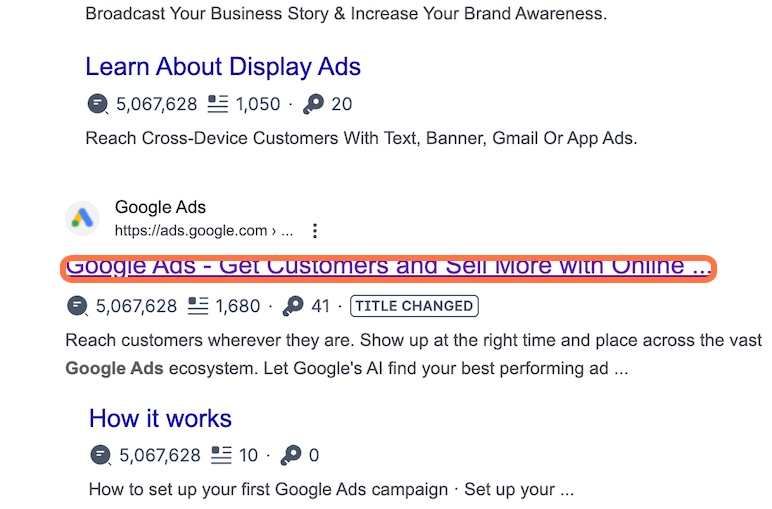



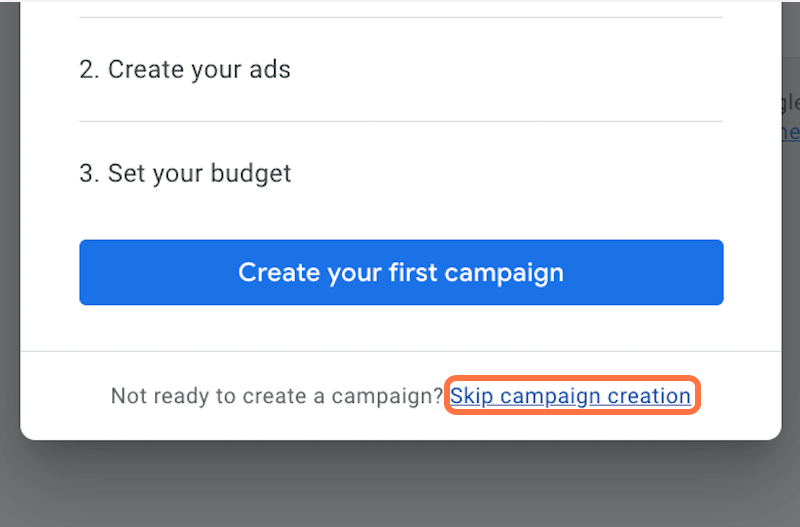
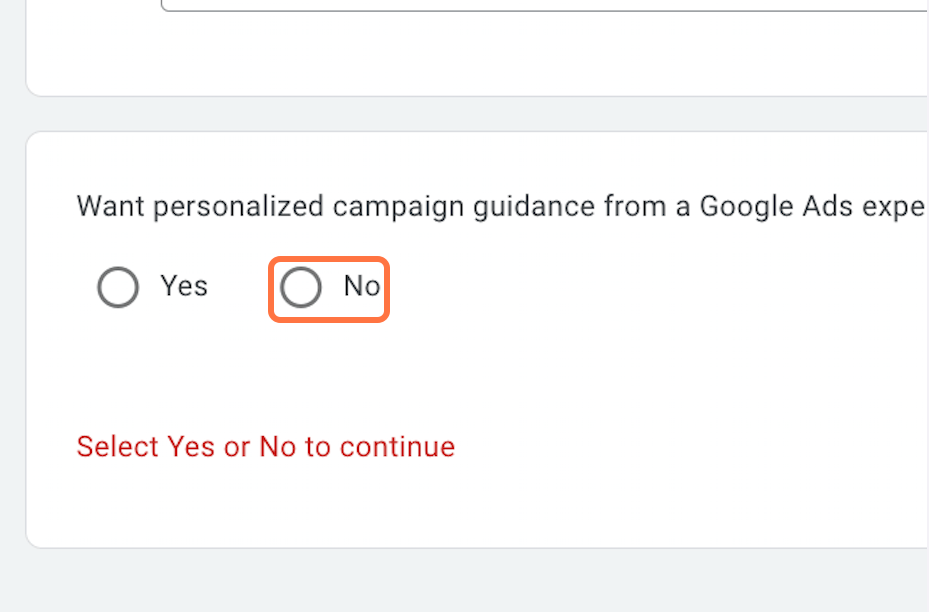

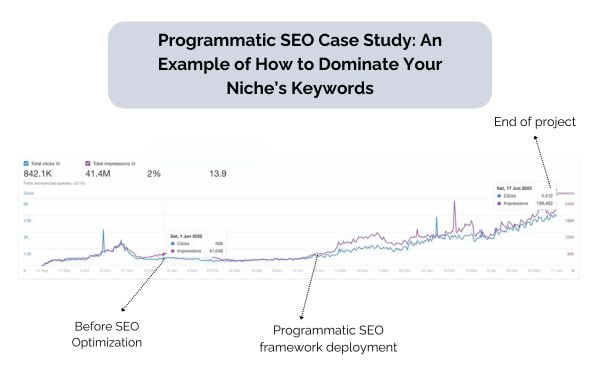
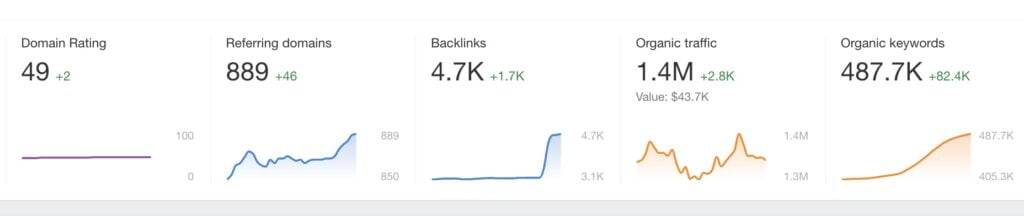
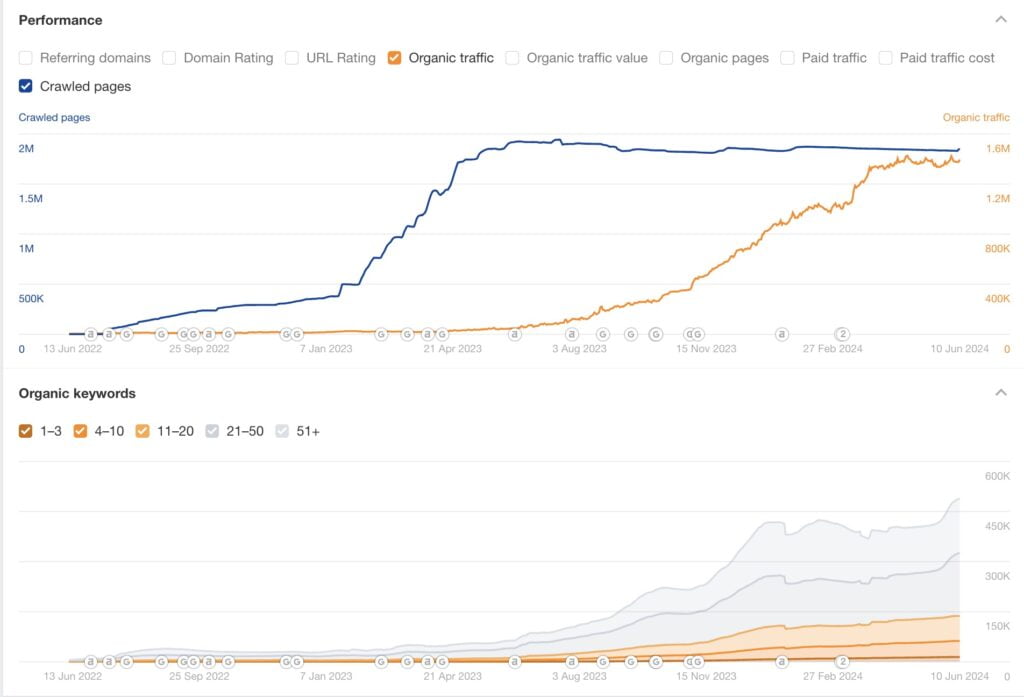

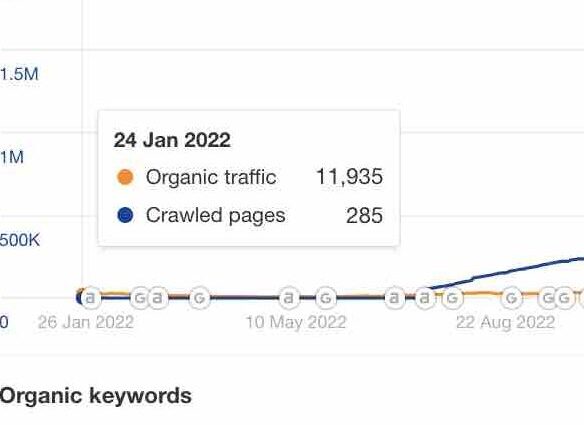
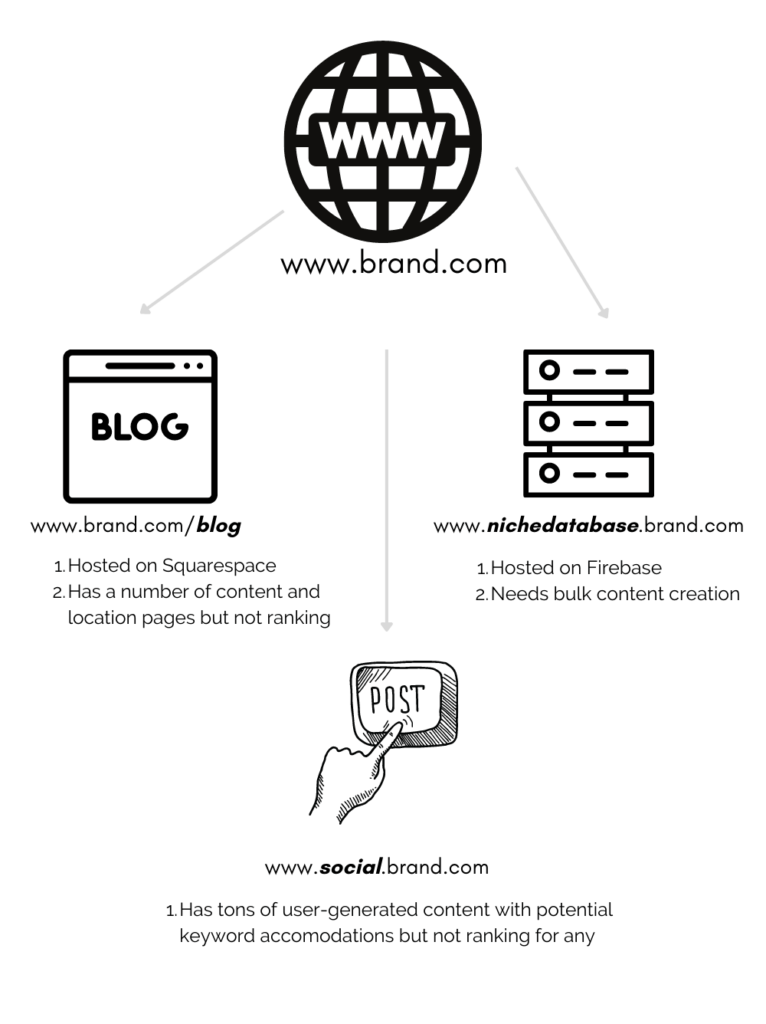
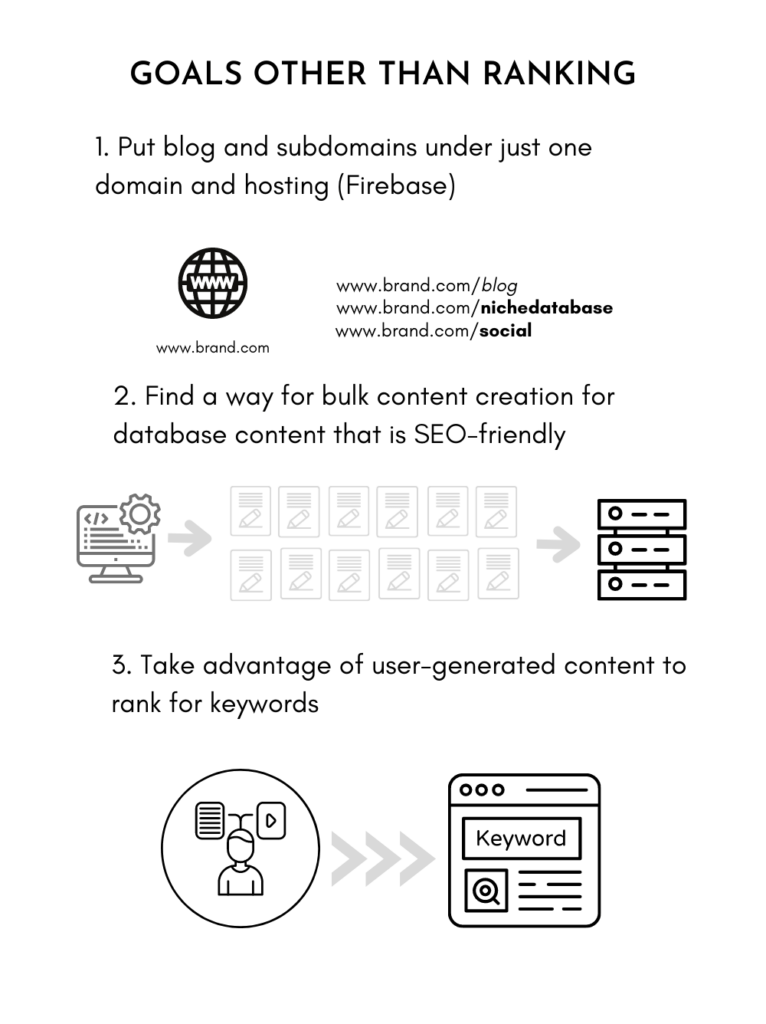
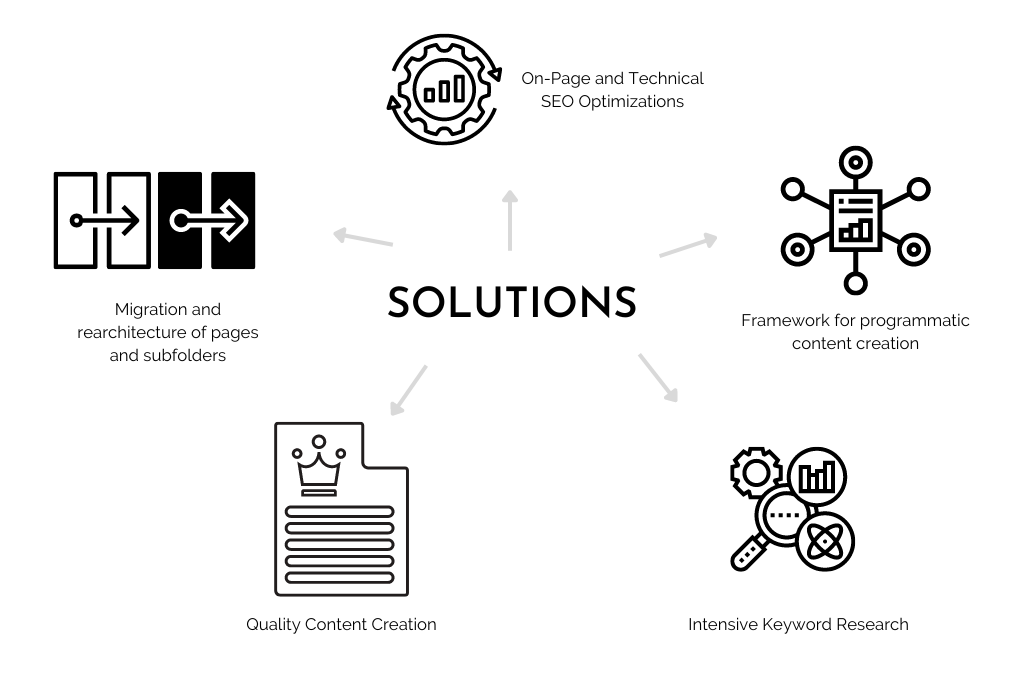
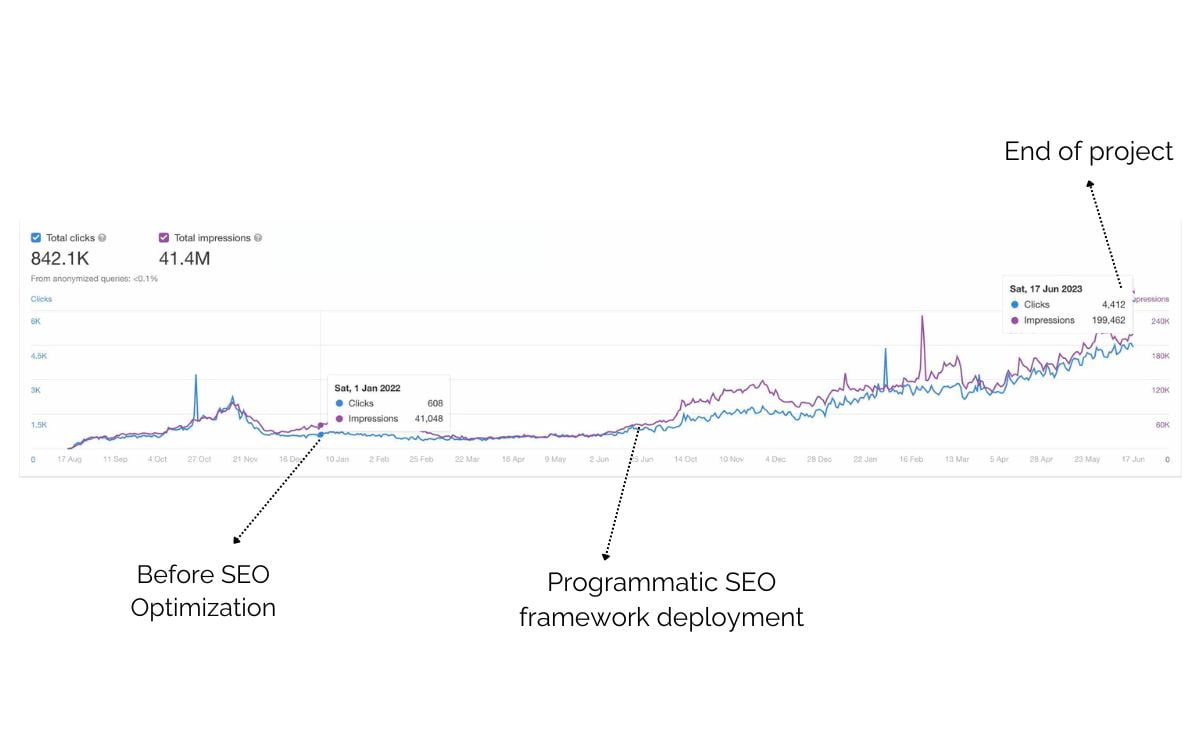








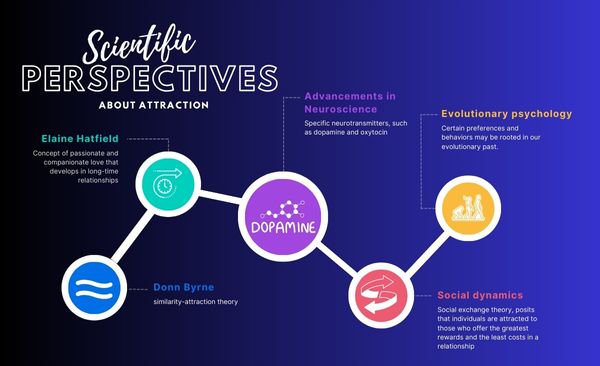


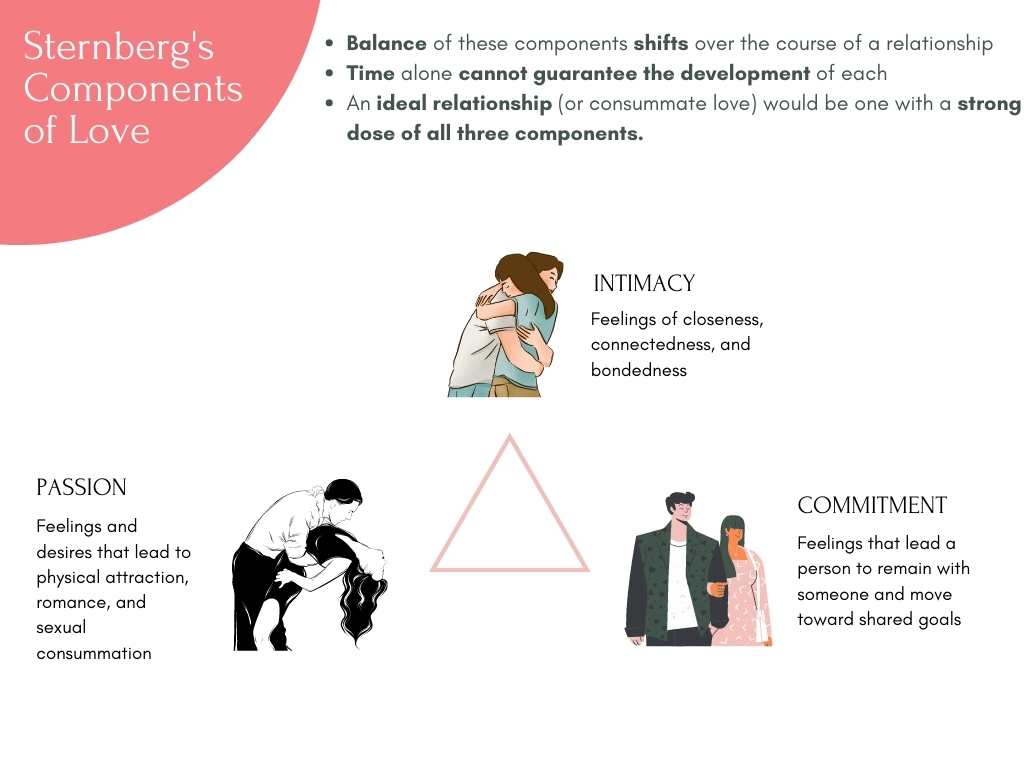
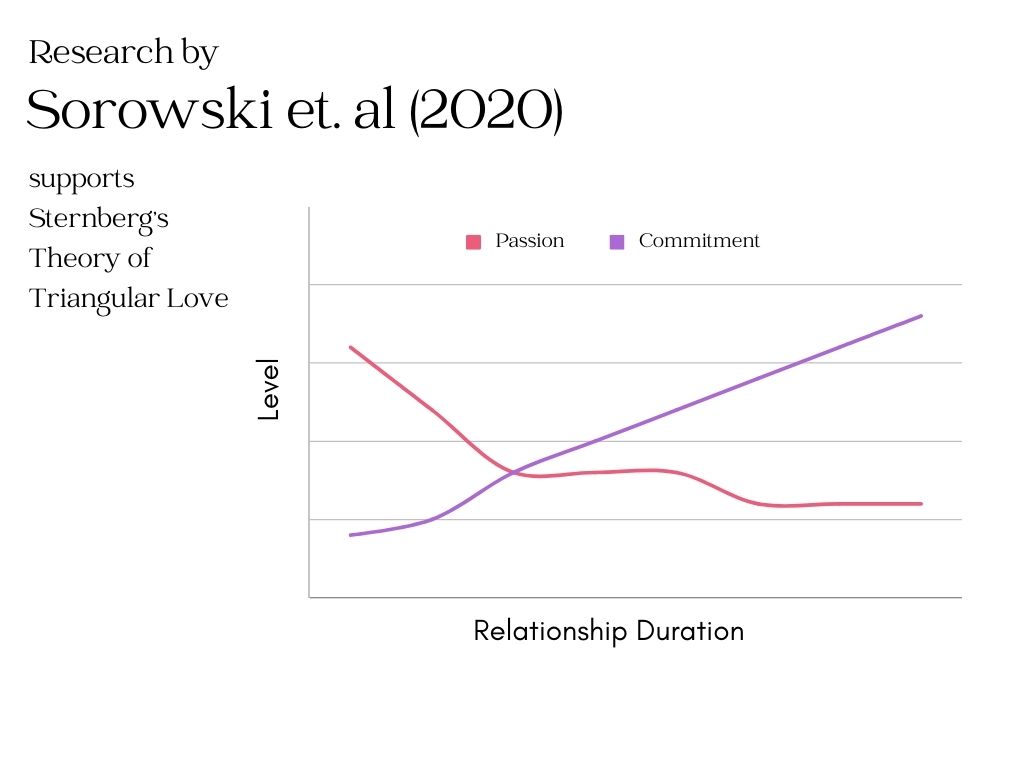
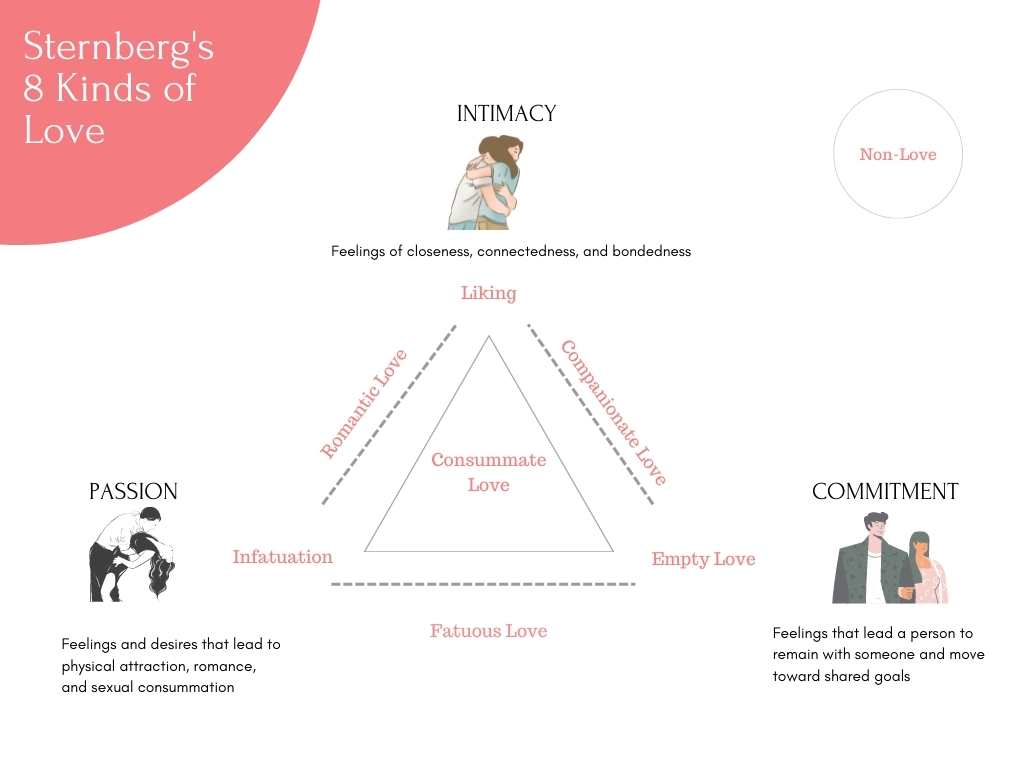

 Rushed relationships are like sparks that can end too soon.