Category: Palawan

  • Palawan, Philippines: A Complete Guide to an Island That Is Actually Many Islands

    Palawan, Philippines: A Complete Guide to an Island That Is Actually Many Islands

    Palawan isn’t just a destination—it’s a geography lesson, a slow-travel dream, and a reminder that some places are too big to be summarized in a single Instagram caption.

    Often labeled as the most beautiful island in the Philippines, Palawan consistently makes it to “best islands in the world” lists. But what those lists rarely explain is that Palawan is not one experience. It’s a long province stretching from Mindoro down toward Borneo, dotted with islands, fishing towns, jungles, limestone cliffs, and communities that all feel distinctly different from one another.

    When someone says they’re “going to Palawan,” the next question should always be: which part?

    Because Palawan is made up of multiple major destinations—each deserving its own trip, pace, and expectations.

    And to save you the time, usually, the best time to visit Palawan is during December to May. Here’s what you can expect during December to May:

    Rainfall: Minimal rainfall across most parts of Palawan, ensuring good weather for travel, beach activities, and island hopping.
    Temperature: Warm (27-33°C)
    Sunshine: Abundant sunshine is typical, creating ideal conditions for outdoor adventures and sightseeing.
    Recommended Activities: Island hopping, snorkeling, diving, visiting the Underground River, and beach relaxation.

    Palawan Is a Province, Not a Single Stop

    To really understand Palawan, it helps to think of it less as one island and more as a collection of landscapes connected by water.

    Some areas are built around tourism, with established island-hopping routes and resorts. Others are remote, slow, and shaped by daily tides rather than schedules. Travel between destinations isn’t always quick, and that’s part of the experience.

    The most well-known areas include:

    • El Nido, famous for limestone karsts, hidden lagoons, and cinematic island hopping
    • Coron, known for shipwreck diving, dramatic lakes, and a more rugged atmosphere
    • Balabac, a remote group of islands near Malaysia with unreal white sand and minimal development
    • San Vicente, home to Long Beach and a quieter, more open coastal experience

    Each of these places feels like a different version of Palawan—and choosing where to go shapes your entire trip.

    Why Weather Matters So Much in Palawan

    Palawan is a tropical destination, but unlike city travel, weather here directly affects what you can and cannot do.

    Boat tours depend on sea conditions. Island hopping routes change based on wind direction. Visibility underwater shifts with rainfall. Even travel between towns can be delayed by storms.
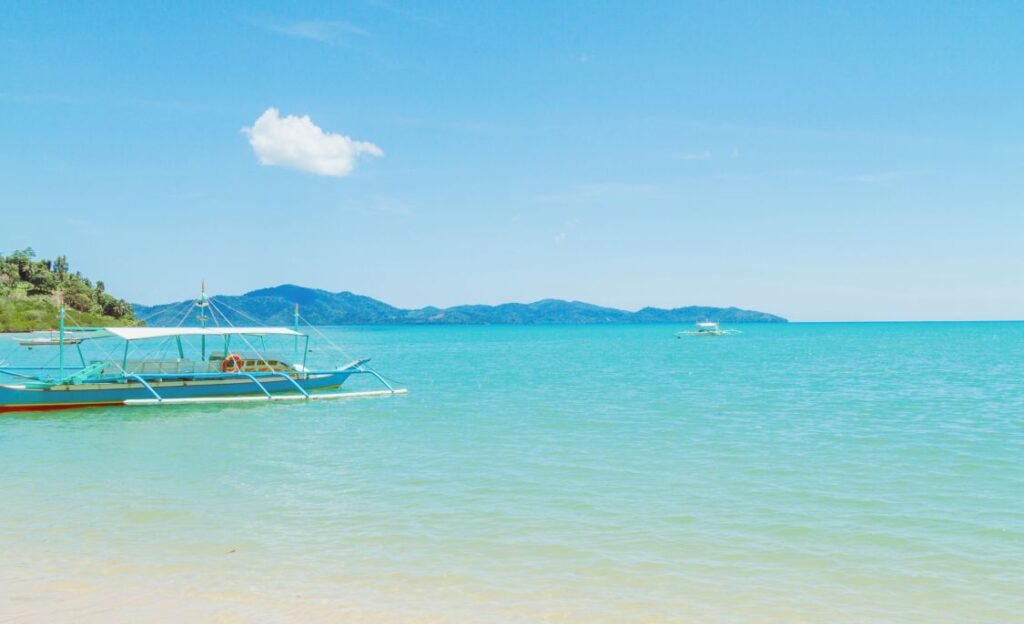
    Port Barton, San Vicente Palawan

    That’s why understanding Palawan’s seasons isn’t just helpful—it’s essential.

    While Palawan is generally less affected by typhoons than other parts of the Philippines, it’s still vulnerable to sudden weather changes. Flexibility is part of the deal.

    The Best Time to Visit Palawan (And Why December to May Is Ideal)

    Most travelers aim for December to May, and for good reason.

    During these months:

    • Rainfall is minimal and usually short-lived
    • Seas are calmer, making island hopping safer and more comfortable
    • Sunshine is consistent, which is crucial for photography and water activities
    • Travel logistics are smoother overall

    This period aligns perfectly with what Palawan does best: boat tours, snorkeling, diving, beach days, and outdoor exploration.

    That said, this is also peak season—especially from January to April—so popular areas like El Nido and Coron can feel busy if you don’t plan ahead.

    What the Dry Season Actually Feels Like on the Ground

    The dry season isn’t just about sunshine—it’s about ease.

    You wake up knowing your boat tour will likely push through. You don’t spend mornings refreshing weather apps. You can plan multi-day itineraries with confidence. Even simple things like walking around town or riding a motorbike feel lighter when rain isn’t looming.

    For first-time visitors, the dry season removes a lot of uncertainty.

    Month-by-Month Weather in Palawan (What Travelers Really Experience)

    January: Comfortable, Calm, and Beginner-Friendly

    January is one of the easiest months to fall in love with Palawan. Days are warm without being oppressive, nights cool down just enough to feel comfortable, and rainfall is rare.

    It’s an excellent month for:

    • First-time visitors
    • Island hopping tours
    • Diving and snorkeling
    • Long beach days without extreme heat

    The only downside? It’s popular. Booking accommodations and tours early makes a big difference.

    Palawan experiences tropical weather during January. The month marks the dry season with warm temperatures and limited rainfall. The average high temperature hovers around 30°C (86°F) while the evenings cool down to around 23°C (73°F).

    It is an excellent time to explore Palawan’s stunning beaches, dive into its crystal-clear waters, and immerse oneself in the breathtaking natural beauty of the region. The days are generally sunny, offering ample opportunities for outdoor activities and island hopping.

    However, it’s advisable to carry sunscreen and stay hydrated due to the strong sun. Enjoy your time in Palawan during January, soaking in the tropical paradise and savoring the serene ambiance.

    February: Clear Skies and Consistent Conditions

    February continues the dry-season reliability with slightly fewer crowds than January. Seas are usually calm, visibility underwater is excellent, and the weather feels predictable in the best way.

    This is one of the best months for:

    • Photography (clear skies, vibrant water)
    • Kayaking and lagoon tours
    • Travelers who want balance—great weather without peak chaos

    February in Palawan continues to offer delightful tropical weather with warm temperatures and minimal rainfall. The average high temperature remains around 30°C (86°F), and the evenings are pleasantly cooler at around 22°C (72°F).

    The month falls within the dry season, ensuring clear skies and ample sunshine. It’s an ideal time to explore Palawan’s enchanting landscapes, visit the famous Underground River, and indulge in water activities such as snorkeling and kayaking.

    Remember to pack lightweight and breathable clothing to stay comfortable in the tropical heat. Enjoy the stunning natural wonders and tranquility that Palawan has to offer in February.

    March: Brighter Days and Rising Heat

    March brings longer, brighter days and a noticeable increase in temperature. It’s still firmly within the dry season, but midday heat becomes more intense.

    Early starts are key this month. Morning boat tours and late afternoon swims are far more enjoyable than being out under the noon sun.

    March is another fantastic month to visit Palawan, as the tropical paradise continues to bask in glorious weather. The average high temperature remains steady at around 31°C (88°F), providing a warm and enjoyable climate for outdoor adventures.

    Evenings remain comfortably cool, with temperatures averaging around 23°C (73°F). The dry season is still in full swing, ensuring sunny days and minimal rainfall. It’s a great time to explore the pristine beaches, go island hopping, or embark on a thrilling diving expedition to witness Palawan’s vibrant marine life.

    Pack your swimsuits and sunscreen and get ready for an unforgettable experience in Palawan during March.

    April: Peak Heat, Peak Energy

    April is hot—there’s no sugarcoating it. Temperatures climb, humidity increases, and shade becomes precious.

    But April is also when Palawan feels most alive. Water clarity is excellent, beach conditions are ideal, and island hopping routes are at their most consistent.

    This month suits travelers who:

    • Are comfortable with heat
    • Plan their days strategically
    • Prioritize water-based activities

    In April, Palawan enters the hot and dry season. The average high temperature climbs to around 33°C (91°F), and the evenings remain warm at approximately 25°C (77°F). The tropical climate brings mostly clear skies and ample sunshine, making it perfect for beach activities, snorkeling, and other outdoor adventures.

    However, it’s essential to stay hydrated and seek shade during the peak afternoon hours when the sun is at its strongest. April also sees a slight increase in humidity, so lightweight and breathable clothing is recommended.

    Embrace the heat and make the most of your time exploring Palawan’s stunning natural wonders during this vibrant month.

    May: Transition with a Summer Feel

    May still feels like summer, but you may start noticing the occasional change in wind or cloud cover. Humidity rises, and afternoons can feel heavy.

    It’s a great month for travelers who want dry-season benefits with slightly fewer crowds—but it’s wise to stay flexible.

    May in Palawan maintains its hot and dry weather, with temperatures averaging around 33°C (91°F) during the day. Evenings remain warm at approximately 25°C (77°F).

    The dry season continues, promising minimal rainfall and plenty of sunshine. It’s an excellent time to enjoy Palawan’s pristine beaches, indulge in water sports, or go on a boat tour to witness the region’s scenic beauty.

    Don’t forget to bring your sunscreen, sunglasses, and a hat to protect yourself from the intense tropical sun. Immerse yourself in the mesmerizing landscapes and vibrant culture of Palawan throughout May.

    Visiting Palawan During the Rainy Season (June to November)

    Rainy season doesn’t mean constant rain—it means unpredictability.

    June: The Shift Begins

    June marks the transition. Rain often comes in short bursts rather than all-day downpours. Landscapes become greener, and crowds thin out.

    This is a good month for travelers who:

    • Don’t mind adjusting plans
    • Prefer quieter destinations
    • Enjoy slower travel

    June marks the transition to the rainy season in Palawan. The temperatures remain warm, with average highs of about 32°C (90°F) during the day and 24°C (75°F) during the night. As the rainy season begins, you can expect intermittent showers and occasional thunderstorms.

    It’s advisable to carry a light raincoat or umbrella to stay dry during your outdoor excursions. Despite the rain, Palawan’s natural beauty continues to enchant visitors.

    Explore the lush rainforests, visit the famous Underground River, or unwind in the warm waters of the hot springs. Embrace the refreshing showers and enjoy the quieter tourist season in Palawan during June.

    July to September: Lush, Moody, and Quiet

    These months see more frequent rain and occasional storms. Some boat tours may be canceled, and sea conditions can change quickly.

    However, Palawan becomes incredibly green and atmospheric. Forests feel alive, waterfalls flow stronger, and popular spots are noticeably quieter.

    July to September in Palawan sees a higher chance of rainfall and storms as it falls within the rainy season. The average high temperature remains around 31°C (88°F), and evenings cool down to approximately 24°C (75°F).

    Expect frequent showers and occasional thunderstorms throughout the month. It’s a good idea to pack waterproof clothing and footwear, as well as a travel umbrella, to stay dry during your outdoor activities.

    Despite the rain, Palawan’s natural beauty remains captivating. Take advantage of the greener landscapes and enjoy activities such as hiking, exploring waterfalls, or indulging in local cuisine.

    October: Rain with Breathing Room

    October still sees rain, but weather windows become more frequent. It’s a transitional month where patience is rewarded.

    October continues to be part of Palawan’s rainy season, with occasional showers and thunderstorms. The average high temperature remains around 31°C (88°F), while evenings cool down to approximately 24°C (75°F).

    It’s advisable to pack waterproof clothing and footwear, as well as a travel umbrella, to stay dry during your outdoor adventures. D

    Despite the rain, Palawan’s charm remains intact. Explore hidden lagoons, visit remote islands, or discover the cultural heritage of the region. Embrace the unique atmosphere created by the rain and experience Palawan’s allure in October.

    November: An Underrated Sweet Spot

    November quietly prepares Palawan for peak season. Rainfall decreases, temperatures remain pleasant, and tourist numbers are still manageable.

    For travelers who want good weather without peak crowds, November is a hidden gem.

    November in Palawan marks the end of the rainy season and the transition to the dry season. The average high temperature hovers around 30°C (86°F), and evenings become cooler at around 23°C (73°F).

    While occasional showers may still occur, they are less frequent compared to previous months. November offers a pleasant climate for outdoor activities, such as island hopping, diving, or exploring Palawan’s vibrant marine life. It’s an ideal time to witness the breathtaking sunsets and enjoy the tranquility of Palawan’s beaches before the peak tourist season begins.

    November invites you to experience Palawan’s natural wonders in a calm and serene ambiance.

    December

    December brings delightful weather to Palawan as it falls within the dry season. The average high temperature remains around 30°C (86°F), and evenings become cooler at around 23°C (73°F).

    It’s a perfect time to bask in the tropical paradise, indulge in water activities, or relax on the pristine beaches. The clear skies and gentle sea breeze create a picturesque setting for exploring Palawan’s natural wonders.

    Celebrate the holiday season in a tranquil ambiance, surrounded by breathtaking landscapes and warm hospitality. December offers a memorable experience of Palawan’s beauty and charm.

    The Major Destinations That Define Palawan

    Puerto Princesa

    Puerto Princesa is like a gateway to the other ares of Palawan. It’s convenient, central and it also has tons of places to explore.

    There are beaches, the iconic underground river and tons of cultural landmarks and restaurants that you can check out here.

    Truth is, whenever we find flights to the other Palawan areas to be expensive, we usually opt to check out costs of transfer options from Puerto Princesa, the only downside to that is additional days of stay since it takes hours of travel from one point to another.

    We do believe that Puerto Princesa stands as the best base if you’re checking other areas. Check out some of the accommodations around Puerto Princesa for your visit!

    El Nido: Dramatic and Iconic

    El Nido is Palawan’s most photographed destination. Limestone cliffs rise straight out of turquoise water, lagoons hide behind narrow openings, and island hopping routes feel cinematic.

    It’s popular for a reason—but exploring early mornings, less common routes, or nearby beaches makes a huge difference.

    Coron: Raw, Historic, and Deep

    Coron feels more rugged than El Nido. It’s known for World War II shipwreck dives, emerald lakes, and dramatic landscapes that feel less polished and more elemental.

    It attracts divers, photographers, and travelers who prefer depth over convenience. We find the airport a bit far from the central area and here are some points to consider when booking your stay:

    Airport Transfers: Most accommodations include or can arrange van transfers from Busuanga Airport (USU), which is about 30–40 minutes from the town center.

    The “Town-to-Island” Split: A popular strategy is to spend 3 nights in the inner or outer Town Proper to do the “Ultimate” island-hopping tours (Kayangan Lake, Twin Lagoon), then move to a Private Island for 2 nights of pure relaxation.

    Balabac: Remote and Unfiltered

    Balabac is not easy to reach—and that’s exactly why it’s special. Travel here requires time, planning, and flexibility, but the reward is some of the clearest water and softest sand in the country.

    This is Palawan at its most untouched. We’ve been to Balabac twice and we do recommend booking with Kamp Malaya.

    San Vicente: Space to Breathe at Port Barton

    San Vicente offers something rare: space. Long Beach stretches for kilometers, crowds are minimal, and the pace is slow.

    It’s ideal for travelers who want quiet mornings, long walks, and a break from overdeveloped destinations.

    One thing to note for any guide is that San Vicente’s infrastructure is still catching up to its beauty. Many of the rustic stays on Long Beach rely on solar power or generators, which actually enhances that island vibe feeling—it’s one of the few places left where you can truly disconnect without trying.

    Choosing the Right Palawan Experience for You

    Palawan rewards intention.

    If you want:

    • Iconic views and convenience → El Nido
    • Diving and raw landscapes → Coron
    • Isolation and adventure → Balabac
    • Calm and open space → San Vicente

    Trying to do everything at once often leads to rushed travel. Palawan shines when you slow down.

    Palawan for Digital Nomads: Dreamy, Yes—But With Trade-Offs

    Palawan often shows up on digital nomad mood boards: turquoise water, limestone cliffs, beachside cafés, and the promise of slow mornings before logging on.

    And while that image isn’t wrong, it’s incomplete.

    Palawan is not a plug-and-play remote work destination in the way places like Bali or Chiang Mai are. It works best for digital nomads who value environment over efficiency and are comfortable adjusting their work rhythm to the place—not the other way around.

    What Working From Palawan Is Actually Like

    Most digital nomads in Palawan fall into one of two categories:

    • Those on short-term stays who work lightly while exploring
    • Those using Palawan as a reset location between busier cities

    You’ll find reliable internet in hotels, resorts, and some Airbnbs—especially in El Nido town, Coron town, and Puerto Princesa. But consistency varies. Power interruptions happen. Speeds can dip unexpectedly. Backup data is not optional here—it’s essential.

    Palawan is ideal for:

    • Writing, editing, planning, creative work
    • Flexible schedules and async work
    • Short focused sessions rather than long work marathons

    It’s not ideal for:

    • Heavy video calls every day
    • Tight deadlines with zero buffer
    • Needing coworking spaces or late-night cafés

    Coworking Spaces and Cafés: Manage Expectations

    Dedicated coworking spaces in Palawan are limited and not always long-term stable. Cafés are welcoming, but many are small, busy during peak hours, and not designed for people camping all day with laptops.

    A more realistic setup:

    • Do deep work from your accommodation
    • Use cafés for lighter tasks or short sessions
    • Schedule outdoor exploration around work—not squeezed between calls

    Palawan shines when work adapts to the island—not when you try to force city routines into it.

    Is Palawan a Good Long-Term Base for Digital Nomads?

    For most people, Palawan works best as:

    • A short-term base (2–4 weeks)
    • A creative or mental reset destination
    • A place to slow down between faster-paced cities

    Costs can be higher than expected, especially in El Nido and Coron, where accommodation and food prices reflect tourism demand. Staying longer often means choosing quieter neighborhoods or less central locations.

    If you need:

    • Consistent infrastructure
    • Networking scenes
    • Multiple coworking options

    Palawan may feel limiting long-term.

    But if you want:

    • Nature as your daily backdrop
    • Quiet mornings and early nights
    • A rhythm built around light, tides, and weather

    Palawan delivers in ways few places can.
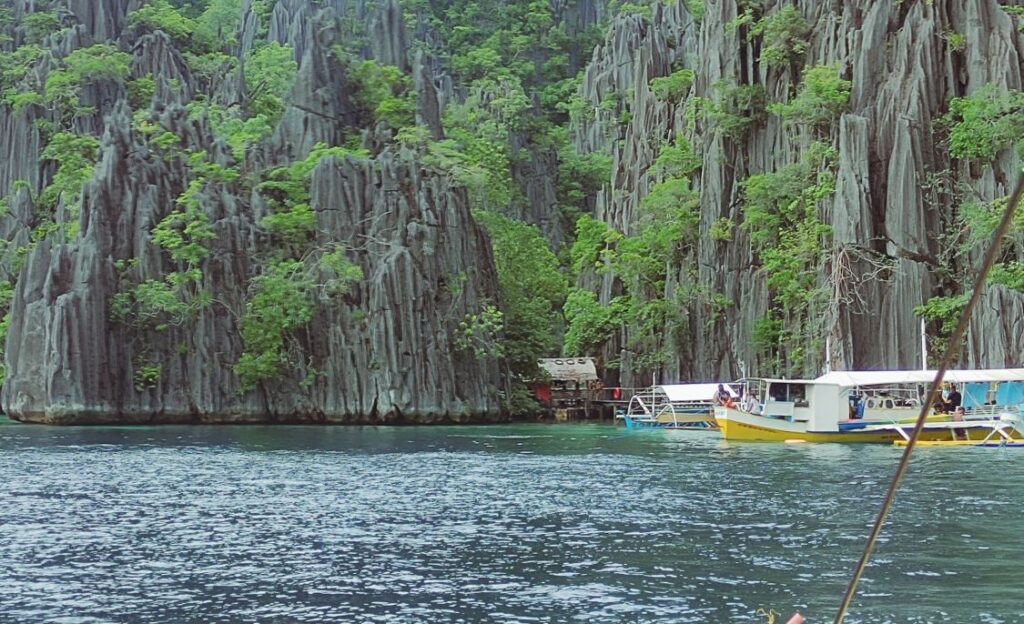
    Coron Palawan

    I do recommend booking tours from Klook if you’re looking for activities to do in Coron and El Nido. Below are just some of them:

    First-Time Visitors: The Palawan Distance Reality Check

    One of the biggest mistakes first-time visitors make is assuming Palawan is easy to “do” in a few days.

    It’s not.

    Palawan is long, spread out, and logistically demanding if you try to cover too much too fast.

    Distances here are not just about kilometers—they’re about:

    • Limited transport schedules
    • Road conditions
    • Weather affecting boats and flights

    What looks close on a map often takes longer than expected in real life.

    Airports in Palawan: Know Before You Book

    Palawan has multiple airports, and this is where many plans go wrong.

    The main ones are:

    • Puerto Princesa International Airport – the largest and most connected
    • El Nido Airport (Lio Airport) – smaller, limited flights, higher fares
    • Busuanga Airport – serves Coron
    • San Vicente Airport – serves those going to Port Barton

    These airports are far from each other.

    For example:

    • Puerto Princesa to El Nido: 5–6 hours by van
    • Puerto Princesa to San Vicente: 3–4 hours
    • El Nido to Coron: requires a flight or multi-step sea travel

    Booking flights in and out without understanding this can add unnecessary travel days.

    Transportation in Palawan: Slower by Design

    Transportation in Palawan is functional—but not fast.

    Expect:

    • Long van rides
    • Early departures
    • Fixed schedules with little flexibility
    • Weather-related delays, especially for boats

    Island hopping tours are weather-dependent, and cancellations happen. This isn’t poor planning—it’s safety.

    The best approach:

    • Build buffer days into your itinerary
    • Avoid booking tight back-to-back transfers
    • Choose fewer destinations and stay longer in each

    Palawan rewards patience. Rushing it usually leads to exhaustion, not enjoyment.

    How Many Days Do You Really Need in Palawan?

    If you want to actually enjoy Palawan—not just check it off—a realistic timeline looks like this:

    • One destination: minimum 4–5 days
    • Two destinations: 8–10 days
    • Three or more: 2+ weeks

    Trying to combine El Nido, Coron, and another area in under a week often turns into a blur of vans, ports, and packing.

    Palawan isn’t meant to be rushed. It’s meant to be lived in, even briefly.

    Final Reminders for First-Timers (The Stuff People Wish They Knew Earlier)

    • Travel days in Palawan are real days—plan around them
    • Flights and boats don’t always run like clockwork
    • Internet is usable but not bulletproof
    • Cash is still important in smaller areas
    • Flexibility is not optional—it’s part of the experience

    Once you accept these realities, Palawan becomes easier, lighter, and far more rewarding.
  • Balabac, Palawan: The Kind of Beautiful That Makes You Question Reality

    Balabac, Palawan: The Kind of Beautiful That Makes You Question Reality

    I’ve been to a lot of beaches in the Philippines. I say that without drama. I’ve seen the usual turquoise, the usual white sand, the usual “this looks like a postcard.”

    But Balabac?

    Balabac doesn’t look like a postcard.
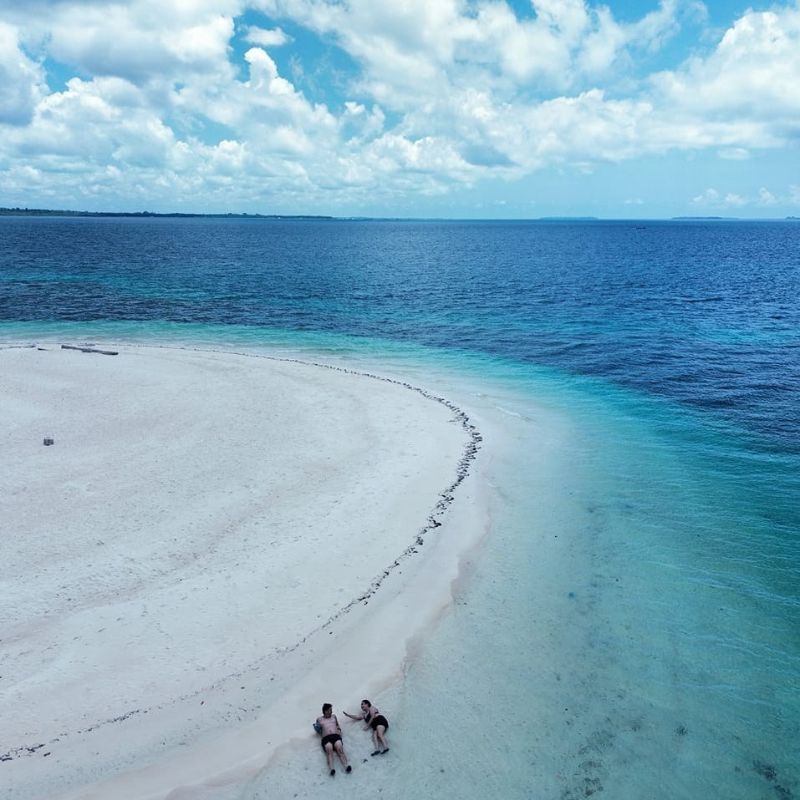
    It looks like someone edited the saturation too high — except it’s real.

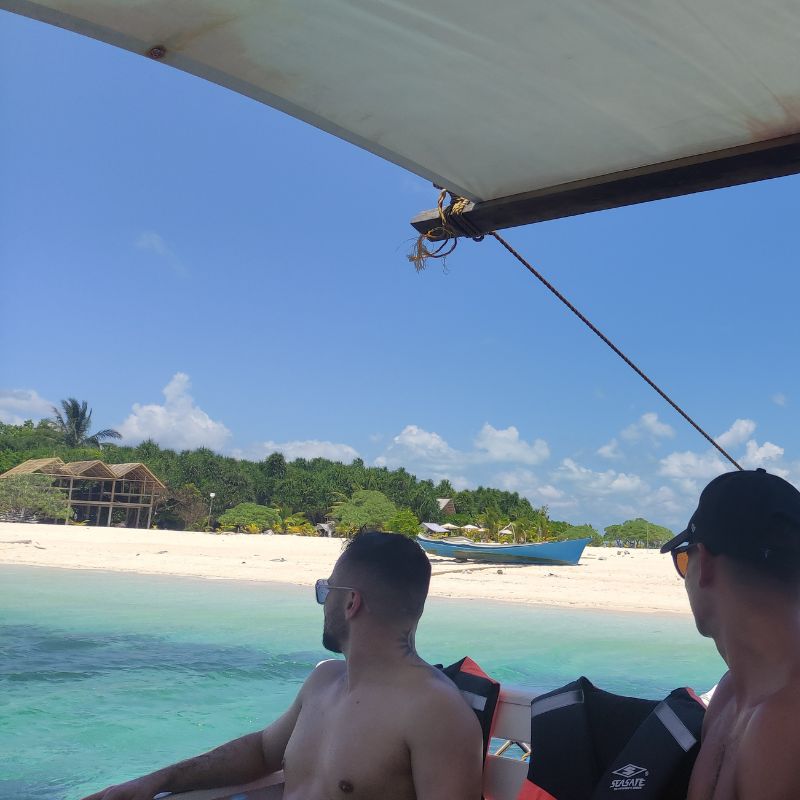
    The first time we stepped onto one of its islands, the entire boat just went quiet. Even the foreigners in our group — the ones who had been island-hopping across Southeast Asia for months — just stared.

    It’s that kind of place.

    If you’re craving something that feels untouched, slow, and almost surreal… Balabac in southern Palawan is still one of the last places in the Philippines that delivers that feeling without filters.

    And yes — we’ve done it twice.

    Both times, we booked with Balabac Island Tours – Kamp Malaya (not to be confused with other operators with “Malaya” in their name). And both times, they handled everything from Puerto Princesa transfers to island permits without us needing to stress over logistics. This is not a paid feature we just really loved our experience!

    This guide walks you through what to expect — the islands, the experience, the costs, the camp life, and the honest parts people don’t always say out loud.

    Because Balabac isn’t cheap.
    It isn’t easy.
    But it is absolutely worth planning for.

    First, Let’s Talk Reality

    Balabac is located in the southernmost tip of Palawan — closer to Malaysia than to Manila. It’s remote. Getting there takes intention.

    You’ll need:

    • A flight to Puerto Princesa
    • A 5–6 hour land transfer to Buliluyan Port in Bataraza
    • A multi-day island-hopping tour (minimum 3D2N, but 4D3N is better)

    So no, this isn’t a spontaneous long weekend trip.

    It’s a commitment.

    But the moment your boat starts gliding across water that looks like liquid glass, you’ll understand why people come back.

    We did.

    The Islands We Visited (And Why Each One Feels Different)

    Balabac isn’t one single “main attraction.” It’s a constellation of islands — each with its own personality.

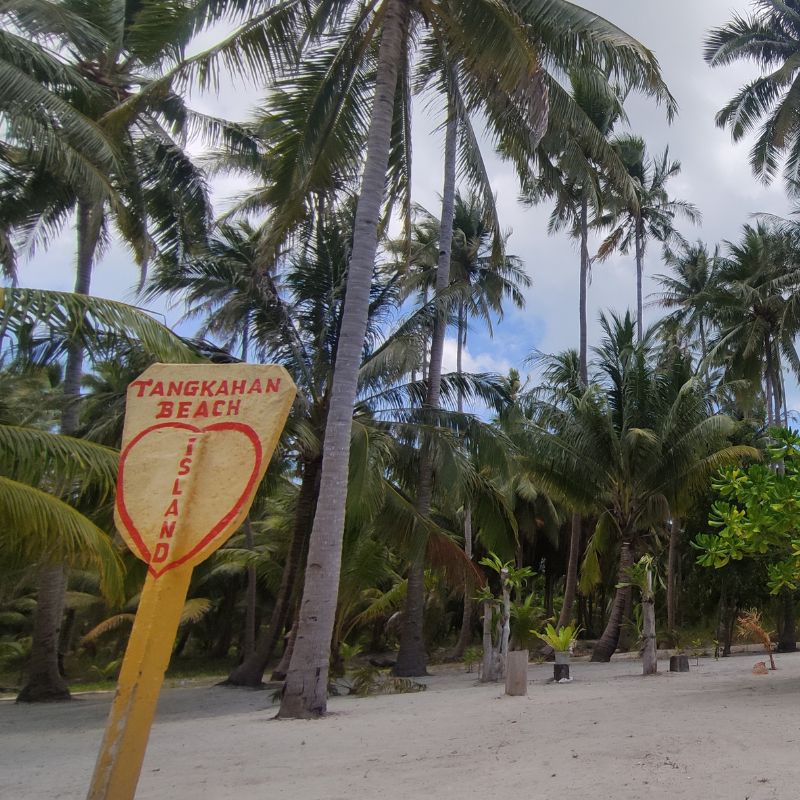
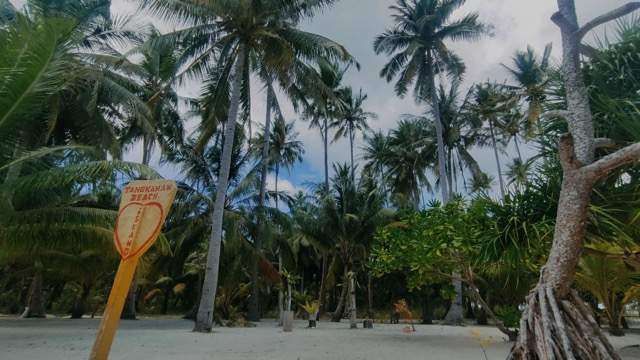
    Tangkahan Beach — The Soft Launch

    22

    This was our first stop after the long drive to Buliluyan. Clear skies. Bright noon sun. Sand so white it almost hurt the eyes.

    At first, I thought, “Okay, typical island hopping.” Then I stepped into the water.

    It wasn’t just blue. It was layered — pale aqua near shore, then deeper cobalt just meters away. And the sand? Powdery, clean, and wide open.

    It’s the kind of first stop that quietly sets the standard.

    Patawan Island — The Chill Intermission

    23

    If Tangkahan is dramatic, Patawan feels laid-back.

    There are simple huts for shade. A restroom (which matters more than people admit). And if you’re lucky, cold beer waiting in a cooler.

    We stayed here longer than expected — swimming, drying off, going back in again. The remoteness is what makes it beautiful. No jet skis. No loud speakers. Just wind and water.

    That’s when I realized this wasn’t going to be a “rush through ten islands for photos” kind of trip.

    Balabac moves slower.

    Sicsican Island — Camp Life Begins

    KAMP MALAYA REVIEW

    Our group camped on Sicsican Island.

    The boat docks on one side, and you walk through a palm-lined path toward camp. It feels like entering a tiny hidden village.

    Most guests stayed in tents, but we booked early and secured a native-style hut — with a fan, outlet, mosquito net, and actual bed.

    If you’re going, book months ahead. Huts go fast.

    Electricity runs from 6PM to 6AM. Signal is weak (though they’ve recently added Starlink for limited access). And honestly? The lack of constant connection is part of the magic.

    You sleep earlier. You wake with the sun. You actually talk to people.

    Onuk Island — The Showstopper

    onuk island balabac

    If Balabac had a crown jewel, it would be Onuk Island.

    We were greeted by giant sea turtles near shore. The sandbar stretches so far that even non-swimmers can comfortably wade waist-deep for what feels like forever.

    We stayed here for hours.

    Lunch was served under shade while the tide slowly shifted around us. Snorkeling here is unreal — even without diving deep, you’ll see coral gardens and fish darting in impossible colors.

    There’s an environmental entrance fee (around ₱1,500 per person at the time we visited), and honestly? It makes sense. Places like this survive because they’re protected.

    Photos don’t capture the stillness.

    Nasubata Reef — The Surprise

    16

    Our boat anchored in what looked like open sea.

    Then someone jumped in.

    Below? Coral structures and schools of fish suspended in perfectly clear water.

    This is where we did our first deep-water jump off a boat. Equal parts thrilling and mildly terrifying.

    The boatmen navigate these reefs without GPS. Years of memory and instinct. It’s impressive.

    Candaraman Island — Starfish Territory

    Candaraman has stronger currents, but it’s stunning.

    We found starfish scattered along the shallow waters — orange, purple, almost red. (Reminder: admire, don’t disturb.)

    There’s also a private airstrip here, reportedly for the island owner’s guests. Yes, it feels exclusive. Yes, it feels cinematic.

    Mansalangan Sandbar — Blink and It’s Gone

    YOLO TRAVEL PH BLOG IMAGES 1

    This only appears during low tide.

    A thin stretch of white sand in the middle of calm blue. Minimal. Quiet. Almost fragile.

    We didn’t stay long — just enough to walk barefoot and take it in.

    Some places don’t need hours. They just need presence.

    Canimeran & Canibungan Islands — The Gentle Goodbye

    25

    These final stops feel softer.

    By this point, you’re sun-kissed, slightly salt-crusted, and emotionally attached to your boat crew.

    Lunch tastes better on the last island. Conversations feel slower. You start thinking about the 5-hour ride back — but you’re not ready.

    Why Balabac Feels Different

    1. It’s Still Raw

    No resorts lining the beaches. No loud water activities. Just seaweed, sandbars, mangroves, coral reefs.

    It feels… unedited.

    2. Disconnection Is Built In

    Signal disappears for days. You stop checking notifications. You forget your screen time exists.

    And that silence? It resets something in you.

    3. The Water Is Unreal

    Shallow areas that suddenly drop deep. Crystal clarity everywhere. It’s beautiful — but respect the depth.

    4. The “Pirate” Myth

    You might hear stories. What we actually saw were coast guards patrolling the waters — understandable given Balabac’s proximity to the Spratly Islands.

    At no point did we feel unsafe.

    How to Get to Balabac

    From Manila

    Fly to Puerto Princesa (1.5 hours).
    Travel by van to Buliluyan Port (5–6 hours).
    Join your island-hopping tour from there.

    From Coron

    Travel to El Nido, then to Puerto Princesa, then onward south. It’s doable — but long. Most travelers fly into Puerto Princesa directly.

    Our advice? Book a tour that includes transfers. The coordination alone is worth it.

    Tour Packages: 3D2N vs 4D3N

    Our first trip was 3D2N.

    It was amazing.

    But our second trip — 4D3N — felt complete. That extra day allowed us to visit Mansalangan Sandbar and move at a less rushed pace.

    The 4D3N package with Kamp Malaya currently runs around ₱13,799 per head (joiner rate), inclusive of:

    • Van transfers (Puerto Princesa–Buliluyan–Puerto Princesa)
    • Boat transfers & island hopping
    • Accommodation
    • All meals
    • Entrance fees

    Flights not included.

    Camp Life: What to Expect

    • Shared bathrooms
    • Electricity at night only
    • Limited signal
    • Communal dining
    • The same boat crew serving your meals

    It’s simple. Functional. Not luxury.

    But you fall asleep to ocean wind and wake up to sunlight through palm leaves.

    That counts.

    Practical Tips (From Someone Who Learned)

    • Bring a dry bag. Non-negotiable.
    • Pack aqua shoes — many beaches have rock or coral.
    • Sit in the middle of the boat (trust me).
    • Dress for swimming on Day 1.
    • Don’t drink tap water.
    • Book months ahead if you want a hut instead of a tent.
    • Bring insect repellent.
    • Hydrate constantly.

    And mentally prepare for long travel hours. The van ride back is real.

    When to Visit

    Best months: February to May (dry season).
    Rainy season: June to January (still possible, but expect weather shifts).

    Temperatures hover around 25–30°C year-round.


    Budget Snapshot For 4D3N Package (Updated 2026 Rate)

    Since a lot of you ask for exact numbers, here’s the current joiner rate of the package we took with Balabac Island Tours – Kamp Malaya:

    4 Days & 3 Nights – ₱13,799 per head (Joiners Rate)

    And honestly, when you break it down, it’s pretty comprehensive.

    ✔ What’s Included

    • Roundtrip shared AC van transfers: (Puerto Princesa City ⇄ Buliluyan Port, 5–6 hrs land travel)
    • Roundtrip shared boat transfers: (Buliluyan Port ⇄ Balabac islands)
    • Full board meals: (Breakfast, Lunch, Dinner — except where noted below)
    • All entrance fees
    • Onok Island day tour (yes, included — which matters because entrance alone is pricey)
    • Accommodation at Sicsican Island: Camping tent / hutwith complete beddings (joiner setup)
    • Environmental fee
    • Life vest
    • Local tour guide

    When we did the math ourselves, the convenience alone — especially the permits and Onok Island coordination — made the rate reasonable.

    The 4D3N Itinerary (What Your Days Actually Look Like)

    Day 1

    2:30–3:00 AM – Hotel pickup in Puerto Princesa
    5–6 hour land transfer to Buliluyan Port

    30-minute passenger boat ride to Bancalaan Island (meet your guide)

    Then island hopping begins.

    📍 Stops:

    • Tangkahan Island
    • Patawan Island
    • Sicsican Island (Basecamp)

    🕔 Around 5:00 PM – Settle into camp, dinner, rest.

    It’s a long first day. You’ll be tired. But you’ll also be staring at water that doesn’t look real.


    Day 2 (Breakfast / Lunch / Dinner)

    📍 Stops:

    • Starfish Sandbar
    • Onuk Island
      (Turtle watching, giant clams, snorkeling)
    • Nasubata Reef (Snorkeling site)

    🕔 5:00 PM – Back to basecamp. Dinner. Sleep like a rock.


    Day 3 (Breakfast / Lunch / Dinner)

    📍 Stops:

    • Mansalangan Sandbar
    • Punta Sebaring
    • Rufos Coral Garden (Snorkeling site)

    🕔 Back to basecamp. Final dinner on the island.

    This is usually the night everyone starts saying, “Bitin.”


    Day 4 (Light Breakfast)

    🕕 6:00 AM – Travel back to Buliluyan Port
    🚗 Van back to Puerto Princesa
    🕑 2:00–3:00 PM – Estimated arrival in the city

    And yes — schedule your departure flight the day after the tour. Do not risk same-day flights.

    Important Notes (That Actually Matter)

    • You may upgrade to overnight on Onok Island, but there’s an additional fee.
    • All island visits depend on weather conditions (safety first — always).
    • Inform them ahead if you have seafood allergies or dietary restrictions.
    • There is no ATM on the islands. Bring enough cash.

    What’s NOT Included

    Just so expectations are clear:

    • Airfare
    • Hotel in Puerto Princesa
    • Day 1 breakfast (you’ll likely eat at a stopover)
    • Day 4 lunch & dinner
    • Personal expenses

    Cancellation Policy (Read This Carefully)

    • ₱1,000 per head deposit (non-refundable if you cancel).
    • If the tour is canceled by the operator due to weather or LGU directives before it starts, refunds are issued for services not rendered or you may reschedule (subject to availability).
    • If the tour has already started and must be cut short, no refund and no reschedule option.

    That’s standard for remote island operations — once boats and logistics are mobilized, it’s hard to reverse.

    Things You’re Expected to Bring

    • Toiletries
    • Light towel
    • Sunscreen
    • Personal medication
    • Cash

    Simple list. But forget one thing and you’ll feel it.

    So Is ₱13,799 It Worth It?

    Balabac is not for everyone.

    If you need luxury resorts and strong WiFi, this isn’t your place.

    But if you want to stand in water so clear you can see fish brushing your ankles…

    If you want to forget your phone exists…

    If you want to feel like you’ve stepped into a version of the Philippines that still breathes slowly…

    Then yes.

    Go at least once.

    We did.

    And we’re already thinking about a third time. In that price, you’re paying for:

    • Long land transfers
    • Fuel for multi-day boat use
    • Entrance fees (especially Onok)
    • Full meals for four days
    • Camp logistics in a remote location

    It’s not a luxury trip. It’s not a resort stay.

    It’s raw island living — handled for you so you don’t have to negotiate boats, permits, or island owners yourself.

    For us? Worth it. Twice.

    And if you’re already flying all the way to southern Palawan, I’d say go straight for the 4D3N. That extra day changes the pace of the whole experience.

  • How to Go to Balabac Palawan from Someone Who Had Been There Twice (2026 Update)

    How to Go to Balabac Palawan from Someone Who Had Been There Twice (2026 Update)

    If you’re looking to explore untouched beaches, island-hop through neon-mint waters, and swim with sea turtles in the wild—Balabac, Palawan is the dream. But before you get too excited, know this: Balabac is remote, and the journey isn’t simple.

    In fact, most travel blogs still point tourists to the wrong port, which can cause serious delays. I’m here to help you get it right based on my personal experience of booking this trip twice. This is your step-by-step guide on how to go to Balabac Palawan, with the insider tips you won’t find on generic travel sites. We also posted here the current tour package price this 2026.

    Is it safe to go to Balabac Palawan?

    Is it safe to go to Balabac Palawan? Yes, but Balabac DIY is not advised. Since 2023, more tour operators have been granted permits, making it safer than ever to travel with a legitimate group. We trusted Balabac Island Tours-Kamp Malaya (don’t confuse them with other “Malaya” operators) for both of our stays. They went above and beyond, and honestly, having local experts handle the logistics is the only way to ensure a safe, stress-free reset.

    How to Get To Balabac Palawan

    Step 1: Fly to Puerto Princesa

    Your journey of how to get to Balabac Palawan starts at Puerto Princesa International Airport (PPS).

    • The Flight: Book daily flights via Philippine Airlines, Cebu Pacific, or AirAsia.
    • The Strategy: Book a morning flight so you have time to rest in the city. You need a one-day stay in Puerto Princesa before heading south.
    • The Cash Rule: Have enough cash before you leave the city. There are zero ATMs on Balabac or the surrounding islets.

    Step 2: The Protocol for Losing Yourself (The Tour)

    Balabac is closer to Malaysia than Manila. It’s a group of 30+ islands with no malls and no commercial noise. Because it’s so far south, you need to research tour operators who offer all-inclusive packages.

    Where we booked twice: Kamp Malaya 4D3N All-In (2026 Update)

    Nope this is not a paid feature

    • Rate: Php 13,799 / Head (Joiner Rate).
    • The Essentials: RT Van (PPS-Buliluyan), RT Boat transfers, full board meals, and entrance fees.
    • Accommodation: We booked months ahead to snag a room at Kamp Malaya’s basecamp on Sicsican Island. If rooms are full, they have tents—but regardless, be clear on your inclusions so you don’t have false expectations.

    Step 3: The 3 AM Reality Check (The Correct Port)

    This is the most critical part of how to get to Balabac Palawan:

    🛑 DO NOT go to Port Rio Tuba. Old blogs still mention it, but it is no longer the jump-off point.

    The Correct Port is Port Buliluyan in Bataraza.

    The drive takes 5 to 6 hours from PPS. Vans leave early—usually between 3:00 AM and 5:00 AM. This is why you stay overnight in PPS; if you arrive at the airport late, you’ll miss the transfer.

    Step 4: The Boat to the Edge

    Once at Buliluyan Port, you’ll log your name in a small office.

    • The Ride: 2 to 4 hours depending on the waves.
    • Pro-Tip: Be dressed for island life before boarding. Put your dry bags, hats, and glasses on, and wear something you can swim in. Your main luggage will be stored under the boat; you won’t see it again until you hit the island.
    What to Do Once You Arrive: The Must-Visit Spots

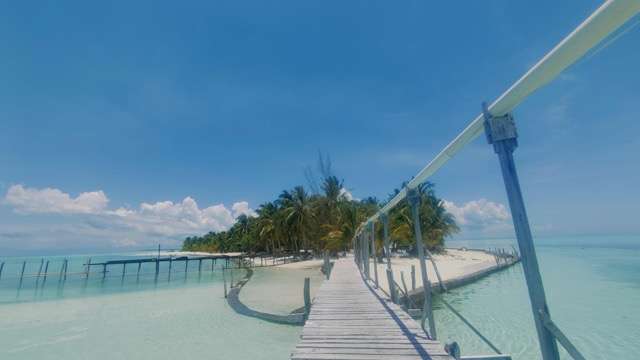
    • Onuk Island: A private island with crystal-clear basins. It’s the spot for sea turtles and giant clams. Note: Ensure your tour includes Onuk, as it requires special permission.
    • Punta Sebaring: Pristine white sand as fine as baby powder that stretches for kilometers.
    • Candaraman Island: Famous for its sandbar and an abundance of starfish.
    • Nasubata Reef: The ultimate snorkeling site.

    Timing Your Visit and How Long to Plan Your Leave/Stay

    Best time to visit Balabac Palawan: Aim for March to May (Summer) or late February to early June. Be wary when booking between June to October—the Habagat (monsoon) brings rough seas, typhoons and possible cancellations.

    The Flight Buffer: Don’t Outrun the Ocean

    This is where most people mess up their reset. They try to “optimize” their leave credits by booking a 6:00 PM flight out of Puerto Princesa on the same day the tour ends.

    Don’t do it. Here is the reality of your final day:

    • The Sea is the Boss: You’ll be traveling back from the islands to Buliluyan Port by boat in the morning. If the waves are choppy or the tide is low, your 2-hour boat ride becomes a 4-hour crawl.
    • The Long Road Back: Once you hit land, you still have a 5 to 6-hour van ride back to Puerto Princesa. Even if you leave the port by noon, you aren’t hitting the city until 6:00 PM—and that’s assuming no flat tires or road delays.
    • The Transition Period: You will be covered in salt, sand, and sunblock. You’ll be exhausted. Do you really want to spend those final hours stressing about a check-in counter?

    The Golden Rule: Allot an extra night in Puerto Princesa after your tour ends. Use that night to get a hot shower, a proper meal at Kalui or Kinabuchs, and actually look at the photos you took. Book your flight home for the next day. Giving yourself that 24-hour “decompression chamber” is the only way to ensure the peace you found in Balabac doesn’t evaporate the moment you hit traffic.

    1

    How to get to Balabac Palawan from Manila

    There is no direct commercial flight or ferry that will drop you in Balabac. To get to Balabac from Manila, you are essentially performing a two-stage extraction:

    1. Air: Manila to Puerto Princesa (PPS).
    2. Land & Sea: PPS to Buliluyan Port (6 hours) and Buliluyan to the Islands (3 hours). Total travel time from your Manila doorstep to a Balabac sandbar is roughly 12 to 14 hours, provided you don’t hit delays. This is why we insist on the “Day 0” arrival in PPS.

    Manila to Balabac Flight (The Myth vs. The Reality)

    Search engines might tease you with a “Manila to Balabac flight,” but unless you are chartering a private plane to land on a private airstrip (like the one on Bugsuk Island), this does not exist for the average traveler. Your “flight to Balabac” is actually a Manila to Puerto Princesa flight. From there, the road takes over.

    Manila to Puerto Princesa Flight

    This is the easiest part of the journey.

    • Airlines: Cebu Pacific, Philippine Airlines, and AirAsia run multiple loops daily.
    • Duration: Approximately 1 hour and 20 minutes.
    • Pro-Tip: Book the earliest morning flight possible. It gives you the afternoon in PPS to coordinate with your Kamp Malaya contact, withdraw all the cash you’ll need, and buy your “nik-nik” (sandfly) repellent.

    The Intra-Palawan Grind: Travel Times from Other Palawan Areas (Coron, El Nido, and Port Barton)

    If you are already in Palawan and moving south, do not underestimate the distance. You are traveling from the north/central region to the literal tip of the archipelago.

    Coron to Balabac Travel Time

    • The Reality: This is a mission. There is no direct boat or flight.
    • The Route: You must first take a ferry (slow boat: 15 hours / fast craft: 5 hours) or a flight from Coron to Puerto Princesa.
    • Total Time: Allot 2 full days. One day to get to PPS, and the next day (starting at 3 AM) to head to Balabac.

    El Nido to Balabac Travel Time

    • The Route: You have to travel south via land to Puerto Princesa first.
    • The Ride: A shared or private van takes about 5 to 6 hours from El Nido to PPS.
    • Total Time: Allot at least 24 hours. You’ll need to arrive in PPS in the afternoon, stay the night, and then join the 3 AM van to Buliluyan the following morning. Do not try to go El Nido → PPS → Buliluyan in one go; you will arrive at the port after the boats have already left.

    Port Barton to Balabac Travel Time

    • The Route: Similar to El Nido, you must go back to the PPS hub.
    • The Ride: Port Barton to PPS is about 3 to 4 hours by van.
    • Total Time: 1.5 Days. Reach PPS by the afternoon, rest, and prep for the early morning van to the south.

    The reason these travel times are so long is that Balabac is protected by its own geography. The hours spent in a van or on a ferry are the price of admission to a place that hasn’t been ruined by convenience.

    Quick Recap for you 2026 Balabac Trip

    If you’re skimming, here are the non-negotiables for your 2026 trip. Save this, screenshot it, or send it to your group chat.

    Is it safe? Yes. Stick to permitted tour operators (like Kamp Malaya) to avoid crocs (mainland) and maritime issues.

    Best Time to Visit: March to May for glass-calm seas; late Feb to early June is the safe window.

    Total Days Needed: 5-6 Days. (1 Arrival day, 4 Tour days, 1 Buffer/Departure day).

    The “Port” Trap: DO NOT go to Rio Tuba. The only correct jump-off is Port Buliluyan.

    The Money Rule:Zero ATMs. Bring all the cash you need from Puerto Princesa.

    Booking Lead Time: 3–6 Months. Rooms at Kamp Malaya sell out fast; tents are the fallback.

    The “How to Get There” Cheat Sheet

    • Manila to Balabac Flight: Doesn’t exist. Book Manila to Puerto Princesa (PPS). It’s a 1.25-hour flight followed by a 6-hour van ride.
    • Coron to Balabac: Expect a 2-day mission. You must fly or take a ferry (5–15 hrs) to PPS first, stay the night, then head south.
    • El Nido to Balabac: A 16–18 hour journey. Van to PPS (6 hrs), overnight stay, then the 3 AM van to Buliluyan.
    • Port Barton to Balabac: Roughly 13–15 hours. Van to PPS (4 hrs), overnight stay, then the early morning push to the port.

    Balabac isn’t a destination you “squeeze in.” It’s a destination you commit to. The travel times are long because the payoff is huge—untouched sandbars, no signal, and the version of yourself you haven’t seen in years.

  • Onuk Island Balabac: The Only Place Far Enough to Make You Forget Your Password.

    Onuk Island Balabac: The Only Place Far Enough to Make You Forget Your Password.

    If you’re reading this while pretending to be active on Slack, I see you. If you’re sitting in a coffee shop in BGC, staring at a spreadsheet and wondering if life is just a series of Zoom calls until you die, this is for you.

    Forget the curated sunsets of El Nido. Forget the drone shots of Coron, that view’s hard to come by if you’re not flying like that machine. We’re going south. Way south. To a place where the Wi-Fi signal goes to die and the “Art of the Tambay” is the only metric of success.

    Welcome to Onuk Island, Balabac. It’s messy, it’s far, and it’s the most honest place you’ll ever visit.

    Where is Onuk Island Located? (And why that matters)

    Let’s get the logistics out of the way. Where is Onuk Island located? It sits in the municipality of Balabac, at the jagged southern tip of Palawan. If you look at a map, it’s closer to Malaysia than it is to Manila.

    That distance isn’t just a number; it’s a filter.

    Most people won’t make it here. The “Insta-famous” crowd usually gives up when they realize there are no infinity pools or boutique hotels. Reaching Onuk is a commitment to the journey itself. It involves a 6-hour van ride that will test the limits of your lower back, followed by a boat ride that depends entirely on whether the Sulu Sea is having a good day or a mid-life crisis.

    But that’s the beauty of it. The effort required to get here ensures that once you arrive, you aren’t surrounded by tourists; you’re surrounded by travelers.

    How to Actually Get to the Middle of Nowhere: Why We Trust Kamp Malaya

    This is not a paid feature, we just really loved our Kamp Malaya experience

    I’ve been to the edge of the map twice now, and both times, I let Balabac Island Tours-Kamp Malaya handle the logistics. In a place where the ocean is the boss and the ports are confusing, you don’t want to be the one “figuring it out.” You want to be the one yielding to the experience.

    Booking directly with them is the only way to go. They don’t just give you a boat; they give you a home base on Sicsican Island.

    The Specs: 4 Days & 3 Nights (The All-In Reset)

    Rate: Php 13,799 / Head (Joiner Rate)

    This isn’t a luxury line item. It’s an all-in package that covers the essentials so you can actually forget your phone exists:

    • The Transit: Round-trip van transfers from Puerto Princesa to Buliluyan Port (the correct port) and the boat transfers between islands.
    • The Fuel: Full board meals (Breakfast, Lunch, Dinner). No menus, no decisions—just fresh food.
    • The Entry: All entrance fees and the coveted Onuk Island day tour are included.
    • The Sleep: Camping tents with complete beddings at their basecamp on Sicsican Island.

    Pro-Tips from Someone Who’s Been There Twice

    • The Buffer Rule: Take a flight to Puerto Princesa a day before your tour starts. Book your exit flight for the day after your tour ends. The Sulu Sea doesn’t care about your airline’s schedule.
    • The Onuk Upgrade: If you want to wake up in the middle of that mint-green water, you can stay overnight on Onuk Island for an additional fee. It’s a literal dream.
    • Food Prep: If you have allergies (shrimp, crabs, pork), tell them early. They cook what’s fresh, so give them a heads-up.
    • The Essentials: Bring a light towel, reef-safe sunblock, and Cash. There are no ATMs on the islands, and you can’t pay for extra halo-halo with a QR code.

    The Fine Print (Because Reality Matters): A Php 1,000 deposit secures your slot. It’s non-refundable if you cancel, but if the Coast Guard calls off the trip due to weather, they’ll refund the services not rendered or help you reschedule. Once the boat leaves the port, you’re committed to the plot.

    The “No Drones, No Good Cams” Reality

    At YOLO Travel Philippines, we have a thing: No need for drones, or the best cams. Why? Because when you see Onok island photos online, they look like they’ve been hit with every filter in the book. You assume it’s fake. Then you get there with your beat-up smartphone or just your own two eyes, and you realize the water actually is that ridiculous shade of mint-green.

    You don’t need a 4k drone to capture the fact that the ocean here looks like it’s been lit from underneath. You just need to be present. Onuk doesn’t perform for your followers. It just exists.

    What Onuk Island is Actually Known For

    • The Infinite Flats: At high tide, you’re standing in a basin of luminous cyan. At low tide, the island sheds its skin. Massive sandbars emerge—broad, firm stretches of white that make you feel like you’re walking on the edge of the world.
    • Unstaged Marine Life: The turtles here don’t care about your GoPro. They surface for air, look at you with total indifference, and head back down. You might see a small reef shark or a ray gliding like a shadow across the sand. No one is baiting them. It’s just their home.
    • The Silence: No “beach club” beats. No jet skis. Just the sound of the wind and the water breaking against the reef. For a burned-out digital worker, this silence is loud. It’s the sound of your brain finally resetting.

    It would be pricey but keep in mind that this isn’t a “luxury tour.” It’s an invitation to a simpler, saltier version of life.

    The Onuk Island Tour Package: What You’re Actually Buying

    Don’t go looking for this on a fancy booking site. You won’t find it. To get here, you’ll usually book an Onuk island tour package through local operators based in Balabac town.

    2

    The Real-Deal Specs:

    1. Accommodation: Think open-air stilt houses or tents. You get a mattress and a mosquito net. That’s it.
    2. Electricity: A generator might run for a few hours at night. Use it to charge your phone—not so you can scroll, but so you have a flashlight when you need to find the bathroom at 2 AM.
    3. Food: Whatever was fresh at the market or caught that morning. Fish, rice, maybe some seaweed (lato) that tastes like the ocean. It’s real food for real hunger.
    4. The Bathroom: It’s a bucket-and-dipper (tabo) situation. If you can’t handle that, Balabac isn’t for you—and that’s okay. But there’s something strangely grounding about manual labor just to flush a toilet.

    The Art of the Tambay: Slow Travel for the Soul

    The “Slow-Living” seeker knows that the best part of travel isn’t the “doing,” it’s the “being.”

    On Onuk, you don’t have a checklist. You have the tides. When the tide is low, you walk. You watch the tiny crabs. You notice how the sky reflects in ankle-deep water. When the tide is high, you float.

    For the Lost & Found Adventurer

    Things will go wrong. Your boat might be delayed by two hours because the captain had to wait for a specific delivery. It might rain. You might get a “Balabac Kiss” (a sandfly bite).

    The old you would have sent a frustrated email. The “Onuk” you just laughs and buys another 20-peso halo-halo from a local vendor. You start to realize that the mishaps are where the stories are. The delays are just extra time to talk to the backpacker next to you about their life in a hostel in Vietnam or their job as a VA in Davao.

    The “Buffer” Rule: Why You Need 6 Days for a 4-Day Trip

    If you try to “optimize” this trip by flying into Puerto Princesa and expecting to be on a boat three hours later, the universe will laugh at you. In the south, speed is a myth.

    To actually own your life offline, you have to respect the logistics of the edge. Here is the reality of the timeline:

    • The Day Zero Arrival: You need to be in Puerto Princesa (PPS) the day before your tour starts. The van to Buliluyan Port leaves at 2:30 AM. Unless you plan on teleporting from the airport to the van, get a hotel in the city, eat a real meal, and sleep for four hours. You’ll need it.
    • The Day 1–4 Journey: This is the heart of the reset. This is when you’re with Kamp Malaya, navigating the tides.
    • The Day 5 Safety Net: Do not, under any circumstances, book your flight out of PPS for the same afternoon you return from the islands (Day 4). Between the boat ride back to the mainland and the 6-hour van crawl back to the city, you won’t reach PPS until 3:00 PM or later—assuming there are no flat tires or sea swells.
    • The Verdict: Allot at least 5-6 days total. Arrive Day 0, Tour Days 1–4, Fly home Day 5 (or later).

    Giving yourself an optional extra day in PPS isn’t “wasted time.” It’s a transition period. It’s the “decompression chamber” before you have to look at a laptop again.

    Why Digital Nomads Need This (And Why They’ll Hate It Initially)

    If your identity is tied to your “responsiveness” on Slack, Onuk is going to hurt.

    For the first four hours, you’ll feel an itch in your pocket. You’ll check for signal. You’ll find nothing. You’ll feel a weird sense of panic. What if someone needs me? Then, the sun starts to set. The sky turns a bruised purple and gold. The Milky Way starts to peek out because there’s zero light pollution. And you realize: the world didn’t stop because you went offline.

    You aren’t producing “deliverables” here. You’re producing clarity. You’re remembering that you are a human being, not a resource.

    First-Timer Realities: The Raw Version

    • Sun Protection: There is no shade on a sandbar. If you don’t wear a rash guard, the sun will eat you alive.
    • Cash: Bring it. Lots of it. There are no ATMs in the middle of the West Philippine Sea.
    • Connectivity: Forget it. Consider it a feature, not a bug.
    • Flexibility: The ocean is the boss here. If the Coast Guard says don’t sail, you don’t sail. Yield often, laugh often.
    onuk island balabac

    Is Onuk Island Worth It?

    If you need a 5-star resort to feel like you’ve traveled, stay in Manila.

    But if you want to stand on a sandbar so far from civilization that the stars look like they’re touching the water… if you want to eat with your hands and sleep to the sound of waves hitting the stilts under your bed… if you want to remember who you are when you aren’t “logged in”…

    Then yes. Onuk Island is worth every bumpy van ride. You’ll leave with salt in your hair and sand in your bag, but you’ll also leave with a quietness in your chest that you haven’t felt in years.

  • What to Do in Puerto Princesa: Gateway Guide for Your Getaways

    What to Do in Puerto Princesa: Gateway Guide for Your Getaways

    Welcome to Puerto Princesa, often hailed as the “City in a Forest” and the vibrant gateway to the breathtaking wonders of Palawan, consistently ranked among the world’s most beautiful islands. This bustling city effortlessly blends urban charm with raw natural beauty, making it a premier travel destination for adventurers, nature lovers, and cultural explorers alike.

    Puerto Princesa isn’t usually the first stop travelers get excited about, and honestly? That’s exactly why it deserves attention. It’s more than just a city—it’s Palawan’s logistical heartbeat, quietly shaping the pace, rhythm, and enjoyment of your entire trip. Whether you’re a first-timer, a digital nomad, or a seasoned island hopper, understanding Puerto Princesa can make or break your Palawan experience.

    Think of Puerto Princesa as the “hub” in a web of destinations: El Nido, Coron, Port Barton, Balabac, and even remote corners like San Vicente. How you navigate this hub—how long you stay, where you fly in, and how you move around—determines whether your Palawan trip feels magical or exhausting.

    Whether you’re planning a quick weekend escape or pondering how many days in Puerto Princesa are ideal for a full immersion, this guide is your go-to resource.

    Introduction to Puerto Princesa: Gateway to Palawan’s Wonders

    Puerto Princesa, the capital of Palawan, is more than just an entry point to the archipelago’s famed El Nido, Balabac and Port Barton (or San Vicente). It’s a destination in itself, boasting a unique charm derived from its commitment to environmental conservation, earning it the moniker “The Last Frontier.”

    Visitors flock here not just for its convenient airport access but for its distinct blend of eco-tourism, rich history, and vibrant local life. From world-renowned natural wonders to bustling markets and serene beaches, the Puerto Princesa attractions cater to every type of traveler.

    This guide aims to be your definitive Puerto Princesa travel guide what to do, covering everything from major landmarks to lesser-known local favorites.

    Puerto Princesa is a vibrant city located on the island of Palawan in the Philippines. It serves as the gateway to the stunning natural wonders of the region, including the renowned Underground River, a UNESCO World Heritage Site and one of the New 7 Wonders of Nature.

    The city itself offers a mix of urban amenities and natural attractions, making it a perfect destination for travelers seeking both cultural experiences and outdoor adventures.

    Visitors can explore the Honda Bay, famous for its beautiful islands and excellent snorkeling spots, or embark on a firefly watching tour along the Iwahig River, where thousands of fireflies create a magical spectacle.

    Puerto Princesa is also known for its commitment to eco-tourism and sustainability, with initiatives in place to protect and preserve the city’s natural resources. With its warm hospitality, rich history, and stunning landscapes, Puerto Princesa is a must-visit destination for travelers to Palawan.

    Usually the best time to visit are during November to May

    These months bring dry and sunny weather, making it an ideal time for outdoor activities, including visiting the Underground River and city sightseeing.

    Puerto Princesa International Airport is the most reliable entry point to Palawan. Flights are frequent from Manila and other major Philippine hubs, and the airport infrastructure is far more consistent than local airstrips. From here, you can branch out in any direction:

    Puerto Princesa: The Gateway That Quietly Shapes Your Entire Palawan Trip

    Puerto Princesa isn’t usually the place people get excited about first—and that’s exactly why it deserves more attention. This city is Palawan’s main gateway, the logistical backbone that quietly determines whether your trip feels smooth and intentional… or rushed and exhausting.

    Most travelers enter Palawan through Puerto Princesa International Airport, which has the most consistent and reliable flight connections from Manila and other major Philippine cities. From here, Palawan opens outward in every direction: El Nido to the north, Port Barton along the coast, Balabac far to the south, and—through separate transfers—Coron beyond. You might not linger here long, but how you use Puerto Princesa sets the tone for everything that follows.

    How Puerto Princesa Connects You to the Rest of Palawan (Realistically)

    El Nido
    Traveling from Puerto Princesa to El Nido takes around 5–6 hours by land, usually by van or bus. This is where many itineraries quietly fall apart. Doing this immediately after a flight—especially a late arrival—is draining. Seasoned travelers know to spend at least one night in Puerto Princesa, then head north early the next morning when energy and patience are still intact.

    This stretch of road is scenic but winding. Arriving in Puerto Princesa a night before heading north is almost mandatory—landing and immediately doing the road trip is exhausting, even for seasoned travelers. A calm night in Puerto Princesa means you start your El Nido adventure refreshed and energized.

    Port Barton
    Port Barton sits roughly midway between Puerto Princesa and El Nido and takes about 3–4 hours to reach. This makes Puerto Princesa an ideal starting point if you want to break up the long northbound journey and experience a quieter, slower coastal town before moving on.

    Many travelers wanting to explore Palawan use it as a slower, more serene stop before continuing to El Nido. It’s quieter than both Puerto Princesa and El Nido, making it ideal for a slow start or a day of rest after your flight.

    Balabac
    Balabac is not a side trip—it’s a commitment. Reaching it from Puerto Princesa involves long land travel south, followed by boat transfers that are often weather-dependent and organized through tours. Almost all Balabac expeditions begin and end in Puerto Princesa, making the city essential for planning, preparation, and recovery days.

    Balabac is remote and requires long land travel and boat transfers. Puerto Princesa acts as the main staging point for any Balabac excursion. From planning permits to arranging local transport, almost all visitors begin here.

    Coron
    There’s no direct land route from Puerto Princesa to Coron. Travelers either fly directly (limited schedules, higher cost) or route back through Manila. While Puerto Princesa isn’t a physical gateway to Coron in the same way, it’s often a strategic starting point when mapping flights, timing, and contingencies.

    Coron is accessible primarily by flight from Manila or Cebu, but Puerto Princesa can still serve as a strategic starting hub if your itinerary involves multiple Palawan destinations. It allows you to sequence your travel logically and avoid backtracking unnecessarily.

    When It’s Better to Fly Into Puerto Princesa

    Flying directly into Puerto Princesa makes sense if you:

    • Travel during shoulder or rainy seasons
    • Want backup options in case of flight delays or cancellations
    • Arrive late at night
    • Plan to visit multiple Palawan destinations
    • Need a base for Balabac trips

    While El Nido and Coron airports are convenient for focused itineraries, Puerto Princesa’s reliability makes it the preferred hub for longer or multi-destination trips.

    Flights into Puerto Princesa are more frequent and generally more reliable. When weather disrupts schedules—as it sometimes does—this airport tends to recover faster than smaller regional ones.

    When Local Airports Make Sense Instead

    Local airports work best when your trip is focused and time-bound.

    Fly directly to El Nido if:

    • El Nido is your only stop
    • You’re short on time
    • You’re okay paying more for convenience
    • Your itinerary includes buffer days

    El Nido Airport: Ideal if your trip is centered only around El Nido, and you want to avoid the long land transfer. Best for short trips with buffer days included.

    Fly to Coron (Busuanga) if:

    • You’re visiting Coron exclusively
    • Your trip revolves around diving or island hopping
    • You don’t need to connect southward

    Coron (Busuanga) Airport: Perfect for diving-focused or Coron-only trips.

    Fly to San Vicente if:

    • You’re intentionally avoiding crowds
    • Your accommodation is already booked nearby
    • You’re comfortable with limited and weather-sensitive flights

    If flexibility matters more than speed, Puerto Princesa usually wins.

    San Vicente Airport: Great for off-the-beaten-path travelers looking for privacy and minimal crowds—but be prepared for limited flights and higher fares.

    Why Puerto Princesa Works Best as a Base, Not a Finale

    Puerto Princesa shines when you treat it as:

    • a buffer zone after flights
    • a planning hub for tours and transfers
    • a reset point between destinations

    It has infrastructure that smaller Palawan towns don’t: supermarkets, pharmacies, hospitals, reliable transport options, and tour operators that respond quickly. This is where you regroup, reorganize, and slow your pace before heading somewhere more remote.

    Trying to rush through Puerto Princesa often leads to fatigue. Using it intentionally adds balance.

    Distance Reality Check: Palawan Is Bigger Than It Looks

    Palawan looks narrow on the map. In practice, it’s long, stretched out, and slow to traverse.

    A common first-timer mistake is trying to cram:

    • Puerto Princesa
    • El Nido
    • Coron

    into a short trip.

    It’s possible—but rarely enjoyable.

    If you want Palawan to feel rewarding instead of rushed:

    • Give Puerto Princesa at least one night
    • Add buffer days if you’re doing long land transfers
    • Avoid stacking multiple travel-heavy days back to back

    Palawan rewards travelers who respect distance and pacing. Puerto Princesa is where that rhythm begins..

    Puerto Princesa for Digital Nomads: Reality Check

    Puerto Princesa isn’t a digital nomad hotspot—but that’s a feature, not a flaw. It’s calm, scenic, and refreshingly slow. It’s perfect for light work, planning, and recovery days, but don’t expect coworking cafés, high-speed networking, or late-night work hubs.

    You’ll find:

    • Reliable internet at hotels and mid-range accommodations
    • Small cafés for short work sessions
    • A relaxed pace that encourages balance

    You won’t find:

    • Robust coworking infrastructure
    • Late-night coffee shops for marathon work sessions
    • Networking events or professional meetups

    Tip for nomads: Treat Puerto Princesa as a transition hub between destinations. Work in short bursts, plan logistics, or recover after travel-intensive days.


    Distance Reality Check: Palawan Is Bigger Than It Looks

    Palawan might look narrow on the map, but in practice, it stretches hundreds of kilometers. Many first-timers try to cram Puerto Princesa, El Nido, Coron, and Balabac into a short trip—and fail.

    To make the most of your time:

    • Allocate at least one night in Puerto Princesa before heading north or south
    • Build buffer days for long transfers
    • Avoid cramming multiple long travel days together

    Puerto Princesa is the place to set the tempo and rhythm of your trip.

    Transportation Tips for First-Timers

    • Airport Transfers: Choose reliable vans or pre-booked shuttle services for long land trips.
    • Local Transit: Tricycles and taxis are convenient for short distances, but fares vary—confirm before riding.
    • Tour Operators: Many organize day trips, firefly tours, and Underground River packages directly from the city. Book in advance to secure your spot.
    • Timing: Avoid traveling between destinations late in the day; roads can be narrow, and schedules unpredictable.

    Puerto Princesa for Multi-Destination Travelers

    If your plan includes Coron, El Nido, Balabac, or Port Barton, Puerto Princesa works best as:

    • A buffer zone after flights
    • A planning hub for onward trips
    • A reset point to adjust before more intense itineraries

    It has amenities and infrastructure that smaller towns cannot match—making it a safe, convenient base for first-timers and seasoned travelers alike.

    How to Get To Puerto Princesa, Palawan

    Puerto Princesa is the capital city of Palawan, Philippines, known for its underground river and natural wonders. To reach Puerto Princesa, you can take a direct flight to Puerto Princesa International Airport, which is well-connected to major cities in the Philippines. Several airlines offer daily flights to Puerto Princesa from Manila, Cebu, and other domestic destinations.

    From the airport, you can easily find tricycles, vans, or taxis to take you to your accommodation in the city. Puerto Princesa is also accessible by land from other parts of Palawan.

    There are bus services available from El Nido, Coron, and other towns. The journey times can vary depending on the starting point, but it’s generally a scenic ride through the beautiful landscapes of Palawan.

    Must-See Natural Wonders: What to Do in Puerto Princesa’s Iconic Sites

    The natural landscape around Puerto Princesa is undeniably its biggest draw. These sites are at the top of every Puerto Princesa tourist spots list and offer truly awe-inspiring experiences.

    Puerto Princesa Subterranean River National Park

    No trip to Puerto Princesa is complete without experiencing the Puerto Princesa Subterranean River National Park, a UNESCO World Heritage Site and one of the New 7 Wonders of Nature. This remarkable site features a navigable underground river that winds through a spectacular cave system, showcasing impressive stalactites and stalagmites formed over millions of years.

    Puerto Princesa Subterranean River National Park

    To ensure your visit, booking a Puerto Princesa Underground River tour well in advance is essential. Permits are limited daily, so secure yours through a reputable tour operator or directly with the local government. The experience begins with a scenic boat ride through a mangrove forest to the river’s entrance, followed by a mesmerizing paddle boat journey into the dark, cathedral-like caverns.

    Your boatman, also your guide, will illuminate the incredible rock formations and point out the diverse wildlife, including bats and swiftlets. For detailed underground river Puerto Princesa information, always check official tourism websites.

    Honda Bay Island Hopping Adventures

    Dive into the crystal-clear waters of Honda Bay for an exhilarating Honda Bay island hopping Puerto Princesa adventure. This popular activity offers a chance to explore a cluster of idyllic islands, each with its own unique charm. Popular stops include:

    • Luli Island: Named for its disappearing act (“Lulubog, Lilitaw” means sinking and appearing) with the tide, perfect for swimming and sunbathing.
    • Starfish Island: True to its name, this island is teeming with starfish in its shallow, pristine waters, ideal for snorkeling.
    • Cowrie Island: A larger, more developed island offering amenities like cottages, a restaurant, and various water sports, making it a great spot for lunch and relaxation.

    On these island hopping tours Puerto Princesa, you can enjoy snorkeling amidst vibrant coral reefs, swimming in turquoise lagoons, and simply basking in the sun. Fresh seafood is often available from local vendors or as part of your tour package. Remember to bring your own snorkeling gear, sunscreen, and a waterproof bag. Tour operators are readily available in the city, making logistics straightforward for these day trips from Puerto Princesa.

    Palawan Wildlife Rescue and Conservation Center (Crocodile Farm)

    For a glimpse into Palawan’s diverse fauna and dedicated conservation efforts, visit the Palawan Wildlife Rescue and Conservation Center, affectionately known as the Crocodile Farm. This facility plays a crucial role in the research, rescue, and rehabilitation of Palawan’s endemic and endangered species. H

    ere, you’ll get an up-close look at various crocodile species, from hatchlings to enormous adults. Beyond crocodiles, the center houses other fascinating wildlife, including endemic birds, mammals, and reptiles, all within educational exhibits that highlight the importance of biodiversity. It’s one of the excellent family activities Puerto Princesa has to offer, combining education with intrigue. The center is located just a short drive from the city center, with clear signages and accessible opening hours.

    Cultural Immersion and City Exploration

    Beyond its natural wonders, Puerto Princesa itself offers a rich tapestry of history, culture, and local life that is worth exploring. A Puerto Princesa city tour itinerary often includes these highlights.

    Exploring the Heart of Puerto Princesa City

    Take time to wander through the city and discover its urban charm:

    • Puerto Princesa Baywalk Park: Perfect for an evening stroll, the Baywalk comes alive at sunset. Locals and tourists gather here to enjoy the sea breeze, indulge in various street food offerings, and watch the sky transform into a canvas of colors. It’s one of the fantastic things to do in Puerto Princesa at night.
    • Immaculate Conception Cathedral: A striking blue church with beautiful stained-glass windows, the Cathedral boasts impressive architecture and a significant history. It’s a peaceful place for reflection and offers a glimpse into the city’s strong Catholic heritage.
    • Plaza Cuartel: Located directly opposite the Cathedral, Plaza Cuartel is a poignant historical site. This former Japanese garrison now serves as a memorial, remembering the American prisoners of war burned alive here during World War II. It’s a somber but important place to visit to understand Puerto Princesa’s past.

    Savoring Local Flavors: Culinary Delights

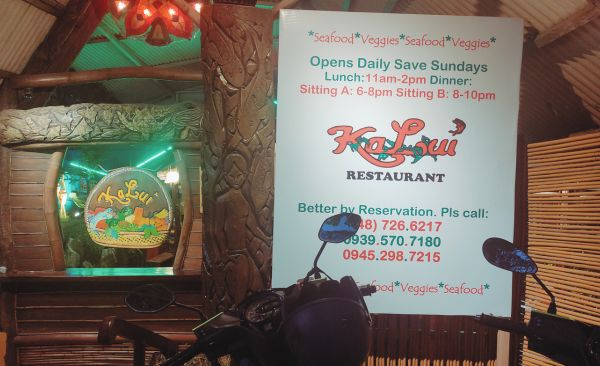
    Ka Lui Restaurant

    No trip is complete without indulging in the local cuisine. Where to eat in Puerto Princesa is a delightful journey of discovery:

    • Must-Try Palawan Dishes: Be adventurous! Try Tamilok, a unique mangrove woodworm delicacy often eaten kinilaw-style (raw with vinegar and spices). Kinilaw (Filipino ceviche) is another staple, typically made with fresh fish. And of course, the must-try food Puerto Princesa is always fresh seafood, prepared in countless delicious ways.
    • Popular Dining Spots: For a curated experience, visit Kalui Restaurant, famous for its authentic ambiance and superb seafood, where you, take off your shoes, sit on the floor and eat with your hands (cutlery available).

      Canvas Cafe offers a cozy atmosphere with delicious meals and local art. For the freshest catch, head to the local seafood market and have your selection cooked on the spot.

      We also loved Viet Ville which quite far from the city center but we always visit here whenever we come to Puerto Princesa.
    Viet Ville in Puerto Princesa
    • Nightlife and Entertainment Options: After a day of exploring, unwind at one of the city’s bars or cafes. Many establishments along Rizal Avenue offer live music and a lively atmosphere, proving there are plenty of things to do in Puerto Princesa at night.

    Souvenir Shopping and Local Crafts

    Bring a piece of Palawan home with you! Souvenir shopping is an enjoyable activity in Puerto Princesa. You can find unique items at:

    • Public Market: For local delicacies like dried fish, cashew nuts, and fresh produce.
    • Souvenir Shops along Rizal Avenue: Offering a wide array of handicrafts, shell crafts, local pearls, and woven products. These make perfect pasalubong (souvenirs) for loved ones.

    Beyond the Mainstream: Unique Adventures and What Else to Do in Puerto Princesa

    While the main Puerto Princesa tourist destinations are incredible, there’s even more to discover if you venture a little off the beaten path or look for unique experiences.

    Firefly Watching Tour

    Embark on an enchanting evening adventure with a Firefly Watching Tour. This magical experience takes you into the mangrove forests along the Iwahig River, where thousands of fireflies illuminate the trees, creating a natural light show that feels straight out of a fairy tale.

    Puerto Princesa Firefly Tour

    Firefly Watching at Nagsaguipi River: A Quiet Kind of Magic

    If your Palawan plans are starting to feel packed with boat schedules and beach hopping, this firefly tour is where you slow everything down. As night falls, you’ll glide along the Nagsaguipi River on a paddle boat, surrounded by mangroves that slowly light up—one firefly at a time, then hundreds, then thousands. There’s no rush here. No loud commentary. Just the soft movement of water, warm air, and a natural light show that feels almost unreal in its stillness.

    The experience is thoughtfully paced, starting with a buffet dinner before the cruise and ending with an easy ride back to your hotel. With pick-up and drop-off included within Puerto Princesa city, it’s one of the most effortless nighttime activities you can do—especially if you want something memorable without being exhausting. This isn’t about chasing sights; it’s about letting the moment come to you.

    Curious about how to fit this into your Palawan itinerary?
    Scan the QR to see tour options, schedules, and availability—especially helpful if you want a convenient, low-effort, high-impact night experience.

    Firefly Watching in Puerto Princesa

    Gentle reminder: flash photography and bright lights disrupt the fireflies’ natural rhythm. Keeping things dim, quiet, and respectful helps preserve this experience—for you and for those who come after.

    The best time to go is during a new moon phase for optimal darkness.

    Booking through local tour operators is recommended – and the experience often includes a serene mangrove kayaking or boat ride, coupled with some stargazing. It’s definitely one of the unique things to do Puerto Princesa offers, and a tranquil counterpoint to more active pursuits.

    Mitra’s Ranch and Baker’s Hill

    These two popular stops are often combined into a single trip, offering different yet equally enjoyable experiences:

    • Mitra’s Ranch: Owned by the prominent Mitra family, this ranch offers panoramic views of Honda Bay and the surrounding landscapes. You can enjoy horseback riding, try local delicacies, and simply soak in the picturesque scenery. It’s a great spot for photos and offers a refreshing break from the city heat.
    • Baker’s Hill: A whimsical, theme park-like complex famous for its delicious baked goods, particularly its hopia (flaky pastry filled with various sweet fillings) and other pastries. It’s a fantastic place to buy pasalubong and also features beautiful gardens, quirky statues, and small play areas, making it another one of the great things to do in Puerto Princesa with kids.

    Diving and Snorkeling Hotspots

    For underwater enthusiasts, Puerto Princesa serves as a base for exploring several excellent diving and snorkeling hotspots. While the fame of Palawan’s diving often points to Coron, the reefs closer to Puerto Princesa, such as those near Honda Bay or in deeper waters, offer vibrant marine life and healthy coral gardens.

    There are also potential wreck diving opportunities in the surrounding areas for certified divers. Several dive centers in Puerto Princesa offer courses for various certification levels and guided dive trips. This is one of the top rated activities Puerto Princesa provides for marine exploration.

    Planning Your Trip: Practical Tips for Visiting Puerto Princesa

    To make your Puerto Princesa adventure smooth and enjoyable, here are some essential planning tips. Considering a Puerto Princesa itinerary suggestions will help optimize your time.

    Best Time to Visit

    • Dry Season (November to May): Generally considered the best time to visit Puerto Princesa for activities, offering sunny skies, calm seas, and ideal conditions for island hopping and exploring the Underground River. However, this is also peak season, meaning more crowds and potentially higher prices.
    • Wet Season (June to October): Characterized by occasional rain showers, but often still plenty of sunshine. Travel during this period can mean fewer tourists and lower prices, but some outdoor activities might be affected by weather conditions. Always check forecasts.
    • Festival Dates and Special Events: Look out for local festivals like the Balayong Festival (March) to experience the city’s vibrant culture.

    Getting Around Puerto Princesa

    • Tricycles: The most common and convenient mode of local transportation. Fares are generally affordable, but always agree on the price before starting your journey. They’re perfect for short trips within the city.
    • Rental Services: For more independence, consider renting a motorbike (ideal for experienced riders), a car, or a van, especially if you plan day trips from Puerto Princesa to places like Nagtabon Beach or need a specific puerto princesa tourist attractions map.
    • Tour Packages: Many visitors opt for organized best tours in Puerto Princesa, which offer convenience, transportation, and knowledgeable guides for major puerto princesa sight seeing destinations like the Underground River and Honda Bay.

    Accommodation Options

    Puerto Princesa caters to all budgets and preferences:

    • Budget-friendly hostels and guesthouses: Numerous options along Rizal Avenue and side streets, perfect for backpackers and those seeking budget activities Puerto Princesa.
    • Mid-range hotels and boutique resorts: Offering comfortable stays with good amenities, often with pools and restaurants.
    • Luxury stays and eco-lodges: For those seeking a more indulgent experience, some resorts offer serene escapes amidst nature, sometimes a bit outside the city center.

    Essential Travel Tips

    • What to Pack: Lightweight clothing, swimwear, comfortable walking shoes, sandals, a wide-brimmed hat, sunglasses, reef-safe sunscreen (crucial for marine life protection), insect repellent, and a reusable water bottle.
    • Safety Precautions and Local Etiquette: Puerto Princesa is generally safe, but always be aware of your surroundings. Respect local customs and traditions. A friendly smile goes a long way!
    • Connectivity and Money Matters: ATMs are widely available in the city center. While major establishments accept cards, it’s always good to have cash, especially for smaller vendors or remote areas. Mobile network coverage is generally good in the city.

    Sample Itineraries for Puerto Princesa, Palawan

    Here are some sample itineraries you can check out and tweak on your visit to Puerto Princesa, Palawan.

    Best 3-Day Itinerary

    Day 1: Explore the Underground River and Ugong Rock Adventures.
    Day 2: Visit Honda Bay and go island hopping.
    Day 3: Experience the Mangrove Paddle Boat Tour and relax at Nagtabon Beach.

    Alternative itinerary

    Day 1: Discover the Puerto Princesa City Tour.
    Day 2: Explore the Honda Bay Islands.
    Day 3: Visit the Palawan Wildlife Rescue and Conservation Center and relax at Sabang Beach.

    Is Puerto Princesa, Palawan safe for tourists?

    Puerto Princesa is very safe, with low crime rates and good local governance. It has reliable infrastructure and a tourist-friendly atmosphere. Still, basic safety practices should be maintained.

    Is it really worth visiting?

    Now that you know when the best time to visit Puerto Princesa is, you now come to ask if it’s worth it and if it’s safe. Here’s some information that I can give you about Puerto Princesa.

    Puerto Princesa, best known for its underground river—a UNESCO World Heritage site—is worth a visit for its unique geological formations and rich biodiversity. It’s a good starting point for exploring Palawan, offering decent amenities, but some travelers might find the city itself less attractive compared to other Palawan destinations, as it’s more urbanized and serves largely as a gateway rather than a destination itself.

    Final Takeaway

    Puerto Princesa may not be the star of your Palawan adventure—but it is the foundation that determines how smooth, enjoyable, and stress-free your journey will be.

    Plan your stay wisely: use it to reset, organize, and prep for the beautiful chaos of Palawan’s islands. Respect the distances, embrace the pace, and treat Puerto Princesa as the gateway it’s meant to be.

    Once you do, the rest of Palawan—from El Nido’s limestone cliffs to Balabac’s remote beaches—becomes a seamless, magical adventure.

  • Onuk Island Balabac Palawan: One of The Untouched Paradises of the Philippines

    Onuk Island Balabac Palawan: One of The Untouched Paradises of the Philippines

    Far from the bustling tourist spots of El Nido or Coron lies a true gem of Palawan that very few travelers have experienced: Onuk Island (also spelled Onok Island), located in the Balabac municipality of southern Palawan.

    Known for its strikingly clear waters, white sandbars, and isolated charm, Onuk Island offers a raw and authentic tropical escape.

    In this guide, we’ll dive deep into everything you need to know about Onuk Island in Balabac, Palawan, including what it’s known for, things to do, how to get there, and whether you can stay overnight on the island.


    What is Onok Island known for?

    1680004550610 Medium 1

    Onuk Island is best known for its unspoiled natural beauty. It’s a picture-perfect island that seems straight out of a travel magazine, yet few have had the privilege of setting foot on it. Its popularity is growing among hardcore adventurers, travel bloggers, and photographers—but it remains largely off the radar of mainstream tourism.

    Here are a few highlights of what Onuk Island is known for:

    • Turquoise lagoons and shallow waters that stretch far from the shoreline
    • Massive white sandbars that appear during low tide
    • Snorkeling spots with thriving coral reefs
    • Marine wildlife, including sea turtles, rays, and baby sharks
    • Total isolation—no shops, no crowds, just nature

    Because it’s part of the Balabac group of islands near the maritime border with Sabah, Malaysia, Onuk Island is one of the southernmost islands in the Philippines.

    We’ve been to Balabac twice and it was both a delight! I personally found it nicer and enjoyable when it was on its high tide (went there by March).

    But if you love sandbars more you’ll definitely love the wide sandbar when the tide is low!


    1680004550456 Medium 1

    What is there to do in Onuk Island?

    Don’t expect luxury resorts, beach parties, or built-up attractions here. Onuk Island is all about disconnecting and immersing yourself in nature.

    Despite its simplicity, there’s plenty to do:

    1. Snorkeling and Freediving

    The waters around Onuk Island are calm, clear, and shallow—perfect for snorkeling. You can explore coral gardens teeming with marine life. It’s not uncommon to swim with turtles, colorful fish, and rays just meters from shore.

    2. Beachcombing and Sandbar Walks

    Walk barefoot along the long sandbars that stretch into the sea during low tide. The fine white sand and crystal-clear water make this an unforgettable experience—perfect for photos, too.

    3. Stargazing and Sunrise Watching

    Since the island has no electricity and very little light pollution, you’ll see stars like never before. Sunrise over the sea is equally breathtaking, making it worth waking up early.

    4. Wildlife Watching

    Turtles are frequently seen here, especially during nesting season. You may also spot various seabirds and other coastal wildlife.

    5. Photography and Drone Flying

    This island is a photographer’s dream. The contrast of white sand, turquoise water, and endless blue sky makes for epic aerial shots and panoramas.

    Preparing for Onuk Island: Packing, Planning, and Mindset

    Before I set out to Onuk Island, I realized this wasn’t just a casual beach trip—it was an adventure that demanded preparation, both practical and mental. Unlike mainstream tourist spots, this is off-grid living at its finest, and coming unprepared can make even a paradise feel stressful.

    Packing tips I swear by:

    • Waterproof bags: From the van ride to the boat transfer, your gear will get wet at least once. A dry bag for electronics and a smaller waterproof pouch for essentials like wallet and phone is a lifesaver.
    • Snorkel set & fins: While local operators often provide gear, bringing your own ensures a perfect fit—and you won’t miss a single moment swimming with turtles.
    • Portable snacks & hydration: Even though some tours provide meals, having protein bars, trail mix, and plenty of water kept me fueled for long days of hiking sandbars and snorkeling.
    • Lightweight clothing & beach shoes: Quick-dry shirts, rash guards, and water shoes make walking on coral-strewn sandbars much easier.

    Mindset prep:
    I had to remind myself that this trip would be slow, sometimes unpredictable, and very rustic. There’s no Wi-Fi, minimal electricity, and limited facilities—and that’s exactly what makes it magical. I treated it like a mini digital detox and an adventure for the senses.


    Can you stay on Onuk Island?

    Yes, you can stay overnight on Onuk Island, but it requires planning. The island is privately owned, and access is restricted. You must secure permission from the local government and/or tour operators who have established agreements with the caretakers.

    What to expect when staying overnight:

    • Basic accommodations, usually open-air huts or tents
    • No electricity, except maybe solar lights or a small generator for a few hours
    • No running water, so expect bucket showers or limited freshwater
    • Limited cellular signal or internet
    • Bring your own food and water, unless arranged through your tour

    It’s rustic, raw, and not for everyone—but for many, that’s what makes the experience so memorable.

    Onuk Island for First-Timers: Honest Advice

    Visiting Onuk Island is unlike any other beach trip I’ve done. If this is your first time venturing to Balabac, there are a few things you’ll want to know—things I learned the hard way.

    Bathroom logistics: Let’s get this out of the way first. There are very basic restroom facilities on the islands and near the docks, but don’t expect flush toilets, running water, or privacy. If you’re someone who struggles with “holding it,” you’ll want to plan ahead. Personally, I scheduled quick bathroom breaks during van or boat transfers, and I quickly learned to embrace simplicity—sometimes that meant getting creative or adopting a mindset of “nature calls, you answer.” Honestly, for first-timers, knowing this in advance will save a lot of stress.

    Tide timing is everything: Onuk Island transforms with the tide. Low tide unveils massive sandbars stretching out into the horizon, perfect for walking, photography, or just lying on the warm sand. High tide, on the other hand, creates calm swimming conditions ideal for snorkeling. I timed my visit to experience both: mornings were for sandbar walks, afternoons for snorkeling. Learning how to read the tides—or asking your guide—is key to maximizing your experience.

    Pace yourself: Onuk Island isn’t a place to rush. I spent nearly 12 hours on one sandbar alone, hopping between shallow lagoons, collecting shells, and photographing everything I saw. I could have spent days doing the same thing in blissful solitude. First-timers should leave room in their itinerary to just be, rather than ticking off a checklist of “things to do.” Part of Onuk’s charm is how slow time moves.

    Visiting Onuk Island for the first time is as much a mental adventure as it is a physical one. Expect rustic conditions, plan for tides, and give yourself space to soak it all in. If you do, you’ll leave with memories far richer than any resort vacation could offer.

    For Digital Nomads: Inspiration & Offline Magic

    As a remote worker, Onuk Island felt like stepping into a paradox: complete disconnection from the digital world, yet an endless flow of inspiration. I had no Wi-Fi, no cell signal, and very limited electricity—but ideas came naturally when I was surrounded by turquoise lagoons, white sandbars, and complete silence.

    Tips for remote workers:

    • Plan ahead: Finish deadlines or schedule work around the trip. Onuk isn’t the place to check emails or Slack messages.
    • Bring a notebook or offline apps: I brought a small journal and an offline writing app. I sketched blog outlines, photography plans, and even brainstormed my next travel route—all while lying on a sandbar.
    • Solar chargers & power banks: Even one fully charged power bank can give you a few hours of device use for photography, GPS, or emergency calls.

    Being unplugged forced me to slow down in a way I hadn’t experienced in years. I returned not only with photos and videos but also with fresh ideas, renewed focus, and a sense of calm that I didn’t know I was missing. For digital nomads, Onuk Island is more than a getaway—it’s an unintentional creativity bootcamp, and it reminded me that some of the best work happens when the world is quiet.


    How to Get to Onuk Island Balabac Palawan

    Getting to Onuk Island isn’t easy—and that’s part of its appeal. It takes several steps and some patience, but the reward is a peaceful tropical paradise.

    Step-by-step guide:

    1. Fly to Puerto Princesa, the capital of Palawan.
    2. From there, take a van or bus to Port Buliluyan, a small town in southern Palawan (approx. 5–6 hours).
    3. At Rio Tuba port, board a passenger ferry or chartered boat to Balabac mainland (3–4 hours).
    4. From Balabac town proper, coordinate with your tour guide or boatman for a day trip or overnight visit to Onuk Island.

    💡 Tip: Join a Balabac group tour. These typically include Onuk Island, permits, boat transfers, food, and tents.


    When is the Best Time to Visit Onuk Island?

    The best time to visit is during the dry season, specifically from March to May. During this time, the waters are calm, the skies are clear, and island hopping is safer.

    Avoid visiting during the rainy season (June to October) due to strong currents, unpredictable weather, and potential travel delays. The coast guard may cancel boat trips during storms.

    Island-hopping tips:

    • Tours often combine 3–4 islands over 2–4 days. I recommend booking with a guide who knows the archipelago—they’ll know the safest routes, hidden sandbars, and secret snorkeling spots.
    • Weather, tides, and boat schedules can affect your plans, so flexibility is essential. One day, we swapped Mantangule for Cabulian because the tide was too high—but it turned out to be a blessing in disguise.
    • Trust local guides—they have the insider knowledge to make the most of your trip.

    Island-hopping is where the adventure really shines. Every island has its own personality, and each one feels untouched and private—something rare in the Philippines.


    Responsible Travel Reminder

    Because Onuk Island is environmentally sensitive and less developed, it’s important to practice responsible tourism:

    • Don’t litter and pack out all your trash
    • Don’t touch or step on corals
    • Avoid bringing single-use plastics
    • Support local guides and operators

    This way, we help preserve this pristine ecosystem for future travelers.


    FAQ: Onuk Island Balabac Palawan

    Can you stay on Onuk Island?

    Yes, but it’s very basic and requires prior approval or a guided tour. You’ll likely sleep in tents or open cottages with no modern amenities.

    What is Onok Island known for?

    Onuk Island is famous for its crystal-clear shallow waters, white sandbars, snorkeling spots, and turtle sightings. It’s one of the most photogenic and remote islands in the Philippines.

    What is there to do in Onuk Island?

    Snorkeling, swimming, walking along the sandbar, stargazing, and simply relaxing in a peaceful, untouched environment.


    Why Onuk Island Is Different: Personal Reflections

    Onuk Island isn’t just a destination—it’s a transformational experience. There’s something about standing on a sandbar, looking out at endless turquoise waters, and realizing the only footprints around you are your own.

    The island slows you down, inspires awe, and reconnects you with nature in a way I rarely experience anywhere else. The colors, the isolation, the stars at night—they all work together to make you feel small, yet incredibly lucky.

    For first-timers, adventurers, and digital nomads seeking inspiration, Onuk Island is a rare gem. It’s challenging to reach, requires patience and preparation, but every step—the long rides, boat crossings, and rustic nights—is completely worth it.

    Standing alone on a sandbar at sunrise, listening to nothing but the waves and the wind, I realized: this is why we travel—not just to see places, but to feel them.

    Final Thoughts: Is Onuk Island Worth the Trip?

    If you’re looking for an island experience that’s unlike any tourist-heavy beach in Southeast Asia, Onuk Island in Balabac, Palawan is 100% worth the effort. It offers solitude, beauty, and authenticity.

    We trusted Balabac Island Tours-Kamp Malaya  (please don’t confuse this with another tour operator with Malaya on its name) on our first time and our second time and which they definitely have gone beyond and above on both our stays.

    This is not just a beach trip—it’s an experience that connects you with nature in its purest form.

    For adventurous souls willing to go off-grid, Onuk Island might just be the most beautiful place you’ve never heard of.

  • Puerto Princesa to Balabac Island: A Complete Guide (Firsthand Experience + Updated 2026)

    Puerto Princesa to Balabac Island: A Complete Guide (Firsthand Experience + Updated 2026)

    When I first decided to travel from Puerto Princesa to Balabac Island, I didn’t fully understand how remote—and rewarding—this journey would be. I had seen images of long, powdery sandbars and turquoise waters that stretched to the horizon. I wanted to experience that paradise myself. What I didn’t realize was how much planning and patience it would take to get there.

    Now that I’ve done it, I can confidently walk you through the entire process—from the airport to the islands—with the kind of detail I couldn’t find when I was planning my own trip. This is your honest, updated guide to reaching one of the most beautiful and secluded island chains in the Philippines.

    Here’s an actual map that shows you how long the landtrip to the jumpoff port is:


    My Early-Morning Adventure: Van Ride Through Palawan

    We trusted Balabac Island Tours-Kamp Malaya  (please don’t confuse this with another tour operator with Malaya on its name) on our first time and our second time and which they definitely have gone beyond and above on both our stays.

    The adventure officially began at 4:30 AM when our van left Puerto Princesa for Port Buliluyan. I was half-asleep, clutching my travel pillow and my emergency snack stash, but the scenery woke me right up. Rolling mountains, rice paddies, and occasional small villages passed by as the driver navigated winding roads.

    Now, here’s the honest part: there aren’t many places to stop along the way. We had one stop for a quick breakfast and a restroom break—just enough time to stretch, grab some coffee, and maybe eat a pastry while watching the sunrise.

    But if you’re someone who really can’t hold it, let’s just say… I can’t fully recommend this trip unless you’re okay with creative solutions (or… wearing a travel diaper, which I did not).

    Why this matters for first-timers:

    • Bring snacks and water—you’ll need them before the stop.
    • Pack a small travel pillow and power bank for the long ride.
    • Mentally prepare for minimal bathroom access. It’s all part of the remote adventure experience!

    Despite the bathroom reality, the van ride was magical in its own way. The dark calm roads, lush scenery, and sleepy villages gave a real sense of the remote life in southern Palawan. For digital nomads, it’s also a unique opportunity to tune out, catch up on offline work, or just watch the world slowly wake up.

    How Do You Get to Balabac Island?

    Getting from Puerto Princesa to Balabac Island requires multiple steps. There are no direct flights or ferries. You’ll need to combine air travel, a long van or car ride, and a sea crossing.

    My route looked like this:

    1. Fly into Puerto Princesa International Airport
    2. Stay overnight in Puerto Princesa
    3. Take an early morning van to Port Buliluyan, located in the southern town of Bataraza
    4. From the port, take a boat to Balabac or the nearby islets

    This may sound like a lot, and it is—but every part of it adds to the experience. The van ride through rural Palawan is scenic, the port feels untouched by mass tourism, and the boat ride is your first real taste of how remote Balabac is.

    puerto princesa to balabac island

    Port Buliluyan: The Calm Before the Sea Adventure

    When we finally reached Port Buliluyan, I felt a mix of relief and excitement. This is the only active jump-off point for travelers heading to Balabac, and it’s nothing like the commercial ports you might be used to. Simple check-in counters, a few local vendors, and the smell of saltwater—pure Palawan charm.

    Waiting for the boat is actually part of the adventure. I wandered along the shoreline, snapped some photos, and chatted with locals who were more curious about us than we were about them.

    Tip for digital nomads and travelers: Keep cash handy for snacks or small purchases. Most of these ports don’t accept cards, and the atmosphere is very much offline—which is exactly why it feels magical.


    Is There a Ferry from Palawan to Balabac?

    There is no public ferry service that travels directly from Puerto Princesa to Balabac. This confused me at first too. Older travel blogs sometimes mention Port Rio Tuba, but that port is no longer used for passenger travel to Balabac.

    Instead, all tour operators and local boatmen now use Port Buliluyan, which is located about an hour farther south of Rio Tuba. It’s a small, quiet port where island-bound travelers board traditional outrigger boats or speedboats, depending on the tour arrangement.

    If you’re booking a tour package, the boat ride will be handled for you. Otherwise, you’ll need to coordinate with a local guide or hire a boat at the port—which can be unpredictable and harder to manage if you’re traveling on your own.


    What Airport to Go to for Balabac, Palawan?

    The closest airport to Balabac is Puerto Princesa International Airport (PPS). All travelers aiming for Balabac must first fly into Puerto Princesa. There are no airports in Balabac and no direct flights to the southern part of Palawan.

    There are daily flights to Puerto Princesa from Manila, Cebu, and sometimes Davao. If you’re flying in internationally, expect to connect through Manila or Cebu first.

    After landing, I spent the night in Puerto Princesa so I could rest and prepare for the early start the next day. Most vans heading to Buliluyan leave around 3:00 to 5:00 in the morning to reach the port by midday.


    How Long Is the Boat Ride to Balabac?

    Once you get to Port Buliluyan, you’ll board a boat to Balabac or one of the nearby islands used as a base for tours. The boat ride takes anywhere from 2 to 4 hours, depending on the weather, sea conditions, and which island you’re headed to first.

    When we went, we traveled to a farther island on the tour route, so our trip lasted almost 3.5 hours. The boat was a traditional bangka with a canvas shade overhead and just enough room for the group’s bags and gear. It wasn’t luxurious, but it worked—and the water was so clear it felt like we were floating in the sky.

    boat to island hopping in balabac

    My First Glimpse of Balabac: A Boat Ride Like No Other

    Boarding the boat was a moment I’ll never forget. It was a traditional bangka with a canvas shade and room just enough for our bags. No luxury, no Wi-Fi, no distractions—just the endless turquoise water stretching to the horizon.

    The ride itself took around 3.5 hours for us, and I spent most of it staring at the water, occasionally dipping my hand in, and laughing at how clear it was. I felt like we were floating in the sky rather than on the sea.

    Tips for first-time travelers:

    • Bring motion sickness pills if you’re prone to seasickness.
    • Pack a small waterproof bag for electronics and important documents.
    • Enjoy the journey—this is part of the Puerto Princesa to Balabac Island story.

    Why You Can’t Do a Day Trip (and Why That’s Perfect)

    This was a question I kept seeing online: Can you do a day trip from Puerto Princesa to Balabac Island? The answer is simple: No, not realistically.

    The overland trip to Port Buliluyan takes around 6 hours. The boat ride adds another 3 hours, at least. That’s 9 hours one way—without including waiting time, weather delays, or registration at the port.

    Even if you left Puerto Princesa at 4:00 AM, you wouldn’t reach the islands until mid-afternoon. By then, you’d barely have time to explore before having to head back.

    From the early morning van ride to Port Buliluyan, the waiting time at the port, and the boat ride, you’re looking at 8–12 hours one way. That’s not counting the time you actually want to spend exploring the islands.

    Honestly, that’s part of the charm. Balabac isn’t meant for quick trips. It’s remote, quiet, and untouched. The journey forces you to slow down, unplug, and truly savor the islands – and it rewards travelers who take their time.


    Does Balabac Have an Airport?

    No, there is no airport in Balabac Island that serves commercial flights. There are small, private airstrips on some islands (used mostly for emergency or government travel), but tourists cannot book flights into Balabac.

    That’s why the only way to reach the islands is to fly into Puerto Princesa International Airport and continue overland and by boat.


    How Long Is the Travel from Puerto Princesa to Balabac?

    From door to island, traveling from Puerto Princesa to the main Balabac Island took us under 11 hours.

    We left Puerto Princesa at 4:30 AM, arrived at Buliluyan Port around 10:30 AM, waited an hour at the port, and then boarded our boat. The ride to the islands (lunch and island hopping) included took another 3 hours. By the time we reached our island base, it was close to 3:00 PM.

    You’ll need to set aside an entire day just for the journey—and be flexible. Weather, sea conditions, and group logistics can all affect timing.

    Puerto Princesa to Balabac: How Many Hours?

    Total travel time is 8 to 12 hours, depending on conditions.

    • Van travel: 5 to 6 hours
    • Waiting/Registration at port: 1 to 2 hours
    • Boat transfer: 2 to 4 hours

    This is why tours start very early in the morning and why it’s best to arrive in Puerto Princesa the night before your departure.

    Puerto Princesa to Balabac Distance

    The total distance from Puerto Princesa to Balabac Island is around 250 to 270 kilometers, depending on which island you’re visiting.

    • The land route to Buliluyan Port covers roughly 200 kilometers.
    • The sea crossing adds another 50 to 70 kilometers, depending on the island stop.

    It’s not the farthest destination in the Philippines, but due to the remote location, the trip takes longer than you might expect.

    Puerto Princesa to Balabac by Car

    Yes, you can drive yourself from Puerto Princesa to Port Buliluyan by private car. The road is mostly paved, and the drive takes about 5 to 6 hours.

    However, there are a few things to consider:

    • There is no secure long-term parking at the port.
    • You’ll be away for several days, and leaving your car unattended isn’t ideal.
    • Driving back after a multi-day tour can be exhausting.

    Unless you’re a local or have someone to watch your car, it’s best to join a van transfer since you can’t really use the car after Port Buliluyan.

    El Nido to Balabac Travel Time

    El Nido and Balabac are on opposite ends of Palawan. If you’re coming from El Nido, your best route is:

    1. Take a 5 to 6-hour van from El Nido to Puerto Princesa
    2. Stay overnight
    3. Begin your journey to Balabac the next day

    In total, you’ll need at least two full travel days to go from El Nido to Balabac Island, with Puerto Princesa as your middle stop.

    Puerto Princesa to Rio Tuba

    Rio Tuba is no longer the jump-off point for Balabac-bound travelers. That’s outdated information.

    The current and correct port is Port Buliluyan, about an hour farther south of Rio Tuba. This is where all licensed tour operators arrange boat transfers to the islands.

    Make sure your transport goes all the way to Buliluyan—not just Rio Tuba—or you’ll miss your boat and delay your entire trip.

    Buliluyan Port to Balabac

    Buliluyan Port is a small, quiet beachside port located in Bataraza, southern Palawan. It’s the only active jump-off point for tours going to Balabac Island.

    At the port, you’ll check in with your tour operator, register your group, and board the boat to begin the island leg of your journey.

    There are no large structures or commercial terminals here—just simple facilities and calm sea views. Boarding usually happens directly from the shore, so be ready to wade through shallow water.

    Island Hopping and Personal Highlights

    Once we reached the islands, every stop felt like stepping into a postcard. On Onuk Island, the sand was so fine it felt like walking on powdered sugar. On another, a tiny village greeted us with smiles and waves—kids thinking we were celebrities for a few minutes!

    Each island had its own personality, and I quickly learned that flexibility is key. Some of my favorite moments were unplanned: wandering off a trail, discovering hidden lagoons, and chatting with the locals about life on these remote islands.

    Advice for travelers : Use this time to unplug. No Wi-Fi, no emails, just inspiration. It’s amazing what a few days of solitude and nature can do for your creativity and mental reset.

    Practical Tips for Traveling from Puerto Princesa to Balabac Island

    • Book a tour package: The easiest way to travel from Puerto Princesa to Balabac Island is with a tour operator. They handle vans, boats, and permits.
    • Pack smart: Essentials include sunscreen, hat, snacks, waterproof bags, and cash.
    • Be flexible: Weather, seas, or schedules may change. Embrace it—it’s part of the adventure.
    • Rest in Puerto Princesa: Stay a night before your trip. It makes the early morning start much easier.
    • Download offline maps: Cell signal is minimal once you leave the mainland.

    Puerto Princesa to Balabac Tour Package

    I can’t emphasize this enough: Booking a Puerto Princesa to Balabac Island tour package is the best way to go. Trying to plan each part yourself—van, boat, permits, accommodations—will be difficult unless you know the area or speak the local language.

    IMG 20230326 113943

    Our tour with Kamp Malaya was seamless. The operator picked us up from our hotel, managed the whole schedule, provided all meals, and made sure we had permits for islands like Onuk (which are privately owned and require prior approval).

    Most tour packages include 3D2N or 4D3N options, but some operators also offer 5D4N trips for those who want to explore more.

    Tips for First-Timers and Remote Workers

    Traveling from Puerto Princesa to Balabac Island can feel intimidating at first—trust me, I get it. When I first planned this trip, I had no idea what to expect. The combination of early mornings, long van rides, and hours on a boat can be overwhelming, especially if it’s your first time in a remote area like Balabac.

    Here’s what I learned along the way:

    1. Plan Your Travel Days Wisely
    The journey from Puerto Princesa to Balabac takes roughly 8–12 hours, including van rides, port registration, and the boat transfer. I stayed overnight in Puerto Princesa before the trip—it made waking up at 4:00 AM slightly less brutal. First-timers, do yourself a favor: rest well before starting the journey.

    2. Prepare for Minimal Facilities
    There’s only one quick stop along the van route for breakfast and a restroom break. To be honest, I can’t recommend this trip for anyone who struggles to hold their pee—unless you’re okay with creative solutions or, let’s just say… adult diapers. It’s part of the adventure, but definitely not for everyone!

    3. Bring the Right Gear

    • Snacks and water (you’ll thank me later)
    • Power bank for your devices
    • Travel pillow for those van or boat naps
    • Waterproof bags for electronics, especially during island hopping

    4. Embrace Offline Life (Perfect for Digital Nomads!)
    Here’s the silver lining for remote workers: signal is nearly nonexistent once you leave the mainland. No emails, no calls, no notifications. I actually laughed at myself checking my phone every few minutes on the boat before realizing I had to just… unplug.

    Take advantage of this forced offline time:

    • Journal your thoughts or sketch the scenery
    • Brainstorm your next project
    • Catch up on reading or planning

    5. Be Flexible and Patient
    Weather, sea conditions, and group logistics can all affect timing. I quickly learned that stressing about schedules is pointless—the islands don’t move faster just because you’re in a hurry. First-timers, take a deep breath and embrace the slow pace.

    6. Enjoy the Journey as Much as the Destination
    Balabac isn’t about speed; it’s about immersion. Every van ride, every wave-cradled boat trip, and every quiet island moment adds to the adventure. As a digital nomad, this is the perfect reminder that inspiration often comes when we step away from our screens.

    Trust me—once you finally step onto the pristine sand and see the turquoise water, you’ll forget all the early mornings, long rides, and bathroom anxieties. It’s that magical.


    Reflections: Why Balabac Was Worth Every Hour

    Traveling from Puerto Princesa to Balabac Island isn’t easy, but that’s part of what makes it so special. You won’t find massive resorts or loud beach bars here. What you will find is silence, solitude, and the kind of natural beauty that leaves you speechless.

    The long hours on the road and the time spent on a rocking boat are small prices to pay for what you get in return—clear lagoons, powdery beaches, and a rare feeling of peace.

    After almost 11 hours of travel, stepping onto the sand in Balabac felt surreal. The long van rides, early mornings, and bumpy boat ride all melted away as I looked at the untouched beaches and turquoise waters.

    This isn’t a place for quick trips. It’s a place to slow down, reflect, and appreciate the quiet moments. Whether you’re a digital nomad looking for inspiration or a first-time traveler craving adventure, the journey from Puerto Princesa to Balabac Island is unforgettable.

    Take your time, go with a good tour provider, and savor every part of the journey.

  • How to Go to Balabac, Palawan (The Real, Updated Guide from Someone Who’s Been There Twice)

    How to Go to Balabac, Palawan (The Real, Updated Guide from Someone Who’s Been There Twice)

    If you’re looking to explore untouched beaches, island-hop through crystal-clear waters, and swim with sea turtles in the wild—Balabac, Palawan might just be your next dream destination.

    But before you get too excited, know this: Balabac is remote, and the journey isn’t simple. In fact, most travel blogs still point tourists to the wrong port, which can cause serious delays.


    So I’m here to help you get it right—based on my own personal travel experience. This is your step-by-step guide on how to go to Balabac Palawan, with insider tips you won’t find on generic travel sites.

    We trusted Balabac Island Tours-Kamp Malaya  (please don’t confuse this with another tour operator with Malaya on its name) on our first time and our second time and which they definitely have gone beyond and above on both our stays.

    What Is Balabac and Where Is It Located?

    Balabac is a group of over 30 islands and islets located in the southwesternmost part of Palawan, close to the maritime border of Malaysia. It’s known for its remote beaches, vibrant marine life, and lack of commercial tourism—which is what makes it so special.

    But because it’s so far south, it requires effort to reach. That’s why proper planning is essential.

    It is best to consider guided tours or packages when planning to go to Balabac. You have to research tour operators and travel agencies that offer guided tours or packages for Balabac Island.

    As for us we booked a tour right after we booked our flight. Ideally we booked months ahead since we really wanted to have a room from Kamp Malaya (if no rooms, there are tents).

    It would be best to be clear about your accommodation, meals and other inclusions from your booked tour so you won’t have any frustrations or false expectations.

    Step 1: Fly to Puerto Princesa, Palawan

    Your journey starts by flying into Puerto Princesa International Airport (PPS)—the nearest airport to Balabac and your entry point to southern Palawan.

    How to book your flight:

    • Book from major Philippine cities like Manila, Cebu, or Davao.
    • Flights are available daily via Philippine Airlines, Cebu Pacific, or AirAsia.
    • If you’re flying internationally, you may need to transit via Manila.

    I best recommend a one-day stay at Puerto Princesa before going to Balabac Island since most trips going to the port (for the boat/tours that will take you to Balabac) take 5-6 hours and are best traveled early in the morning.

    Reminder: Have enough cash before traveling to Balabac since there are no atms at Balabac island and surrounding islets.

    Why Puerto Princesa?

    This is where most Balabac tours start, and it’s where you’ll catch a van or private transfer heading to Port Buliluyan—the only correct port for Balabac-bound boats.

    Tip: Book morning flights so you have time to rest in Puerto Princesa before traveling early the next day.

    Step 2: Stay Overnight in Puerto Princesa

    One of the smartest things you can do is spend one night in Puerto Princesa before heading south. Here’s why:

    • The drive to Port Buliluyan takes around 5–6 hours.
    • Vans leave early in the morning—usually between 3:00 AM and 5:00 AM.
    • If you arrive late in Puerto Princesa, you’ll miss same-day transfers.

    Be realistic about the amount of time you can spend exploring each day and factor in time for meals and relaxation.

    This will help you allocate your time wisely and ensure that you don’t miss out on any highlights.

    What to do in Puerto Princesa:

    • Try local delicacies at food stalls or restaurants.
    • Shop for last-minute supplies like snacks, dry bags, or sunscreen.
    • Coordinate with your tour operator (or meet them in person, if local).

    Tip: Book accommodation near the city center or airport for easy pick-up.

    As you’re here, or before anything else you need to plan for contingencies and emergencies.

    Research and prepare medications that you might need for any allergies you have or just fully prepare a little emergency kit for your adventure.

    As I remember Balabac DIY tour is not advised. As of 2023, more tour operators have been granted business permits, so best check and get deals from them

    Step 3: Travel from Puerto Princesa to Port Buliluyan

    This is one of the most important things you need to know:
    🛑 DO NOT go to Port Rio Tuba, most blogs will write about Rio Tuba maybe this was the old jumpoff port, but this is no longer the port being used.
    ✅ The correct jump-off point to Balabac is Port Buliluyan in the municipality of Bataraza.

    How to get to Port Buliluyan:

    • Join a tour package – most Balabac tours include van transfers.
    • Hire a private van – ideal for groups or families.
    • Ask your accommodation for help – some have tour contacts.

    Travel time:

    • Around 5 to 6 hours on paved roads.
    • The route is scenic but long, so bring snacks and stay hydrated.

    Insider tip: We booked both of our tours from Kamp Malaya that handled everything, and that was honestly the best decision. No stress, no guesswork—we were picked up from our hotel and brought directly to Buliluyan Port.

    The map below shows the path from Puerto Princesa to Buliluyan Port

    Once you arrive at Buliluyan Port, you’ll then take a boat to Balabac Island.

    Step 4: Take a Boat from Port Buliluyan to Balabac

    Once you reach Port Buliluyan, your boat journey begins. Depending on your tour operator and where you’re staying, you may head directly to Balabac mainland, or straight into island-hopping mode.

    What to expect:

    • Boat ride takes 2 to 4 hours, depending on weather and sea conditions.
    • Boats are usually traditional outrigger boats (bangkas) or speedboats.
    • If you’re on a tour, your guide will handle boat assignments, fees, and safety briefings.

    Pro tip: Be dressed for island life before boarding. Dry bags, reef-safe sunscreen, and waterproof phone pouches are essential.
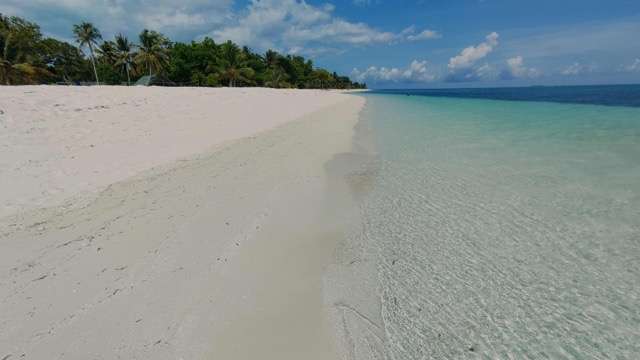
    Boat schedules may vary, so it’s best to check with your accommodation or tour operator for the latest information. The boat ride can take up to 4 hours, but the stunning views of the sea and islands make it worth the journey.

    Typically, if you booked a Balabac tour, you only need to log your names in the small office there before heading to the assigned boat for your tour. I do recommend that you be on something that you can already swim with and be on your dry bags, hats and glasses already before they put your bags under the boat.

    What to Do Once You Arrive in Balabac Islands

    Balabac is all about nature, simplicity, and stunning island landscapes. There are no malls or fancy restaurants here—just raw beauty.

    Top Island Stops:

    • Onuk Island – Private island known for sea turtle sightings and surreal blue waters.
    • Candaraman Island – Instagram-worthy sandbars and starfish.
    • Punta Sebaring – Dreamy white sand as fine as baby powder.
    • Canibungan and Nasubata Islands – Perfect for swimming, relaxing, and drone shots.

    Tip: Make sure your tour includes Onuk Island. It’s privately owned and requires special permission, which your tour operator usually handles.

    When’s the Best Time to Visit Balabac?

    Balabac is best visited during the dry season, especially:

    • March to May – Perfect beach weather
    • Late February to early June – Generally safe for boat travel

    🌧️ Avoid traveling from June to October, as the southwest monsoon (Habagat) brings rain, rough seas, and potential trip cancellations.

    Where to Stay in Balabac?

    We stayed at Kamp Malaya, one of the more well-known tour bases in the area. It was basic—but in the best way. Think beachfront tents, sunrise views, and meals by the water.

    Most tour operators provide:

    • Tent or cottage accommodations
    • Simple but hearty meals
    • Freshwater for washing (limited supply)
    • Restroom facilities (not luxurious but decent)

    How to Get Back from Balabac to Puerto Princesa

    The return trip is the reverse of your arrival:

    1. Boat back to Port Buliluyan
    2. Van ride to Puerto Princesa (5–6 hours)
    3. Optional: Stay overnight or head directly to the airport

    Tip: Add in buffer time for unexpected delays—especially if your flight is on the same day as your return trip. Best to have it late at night or the next day.

    Things To Note

    The boat ride to the different islands can take hours, but the stunning views of the sea and islands make it worth the journey.

    Make sure to bring enough food and water for the trip, as not all islands has stores. Also, don’t forget to bring sunscreen, a hat, and sunglasses to protect yourself from the sun.

    Exploring the Islands

    Now that you have arrived at Balabac Island, it’s time to explore its natural beauty. Some of the must-visit spots on the island include:

    1. Onuk Island – A privately-owned island with crystal-clear waters, Onuk Island is perfect for snorkeling, diving, and swimming with sea turtles. Make sure to secure permission and pay the entrance fee before visiting the island.
    2. Punta Sebaring/Bugsuk Island – A long pristine white sand beach that stretches for kilometers, Punta Sebaring is an ideal spot for sunbathing, swimming, and snorkeling. It’s also home to a small fishing village, where you can interact with the locals and learn more about their culture.
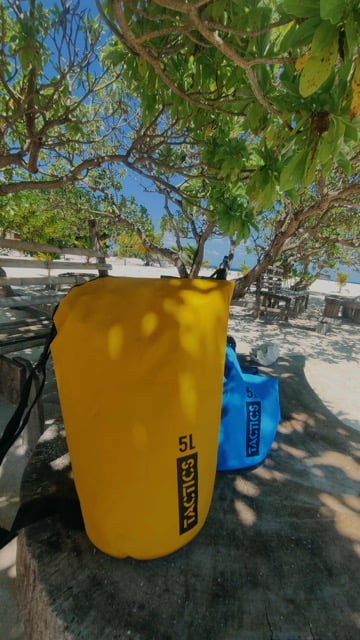
    3. Candaraman Island – Known for its beautiful sandbar, Candaraman Island is a great place for beachcombing, swimming, and taking Instagram-worthy photos with lots of starfishes! Plus it has a sandbar near it.

      And amazingly, the island has its private airstrip! Way to own an island, right?
    4. Melville Lighthouse – Built during the American colonial period, the Melville Lighthouse offers panoramic views of the surrounding islands and the Sulu Sea. This one can be found on the main Balabac Island (this is not usually included on tours so better clarify if you want to visit this)

    Ensure You Have Proper Documentation and Follow Safety Guidelines.

    Before traveling to Balabac Island, make sure you have the necessary documents such as a valid passport, travel insurance, and any required visas. Additionally, follow safety guidelines provided by local authorities and your tour operator to ensure a safe and enjoyable trip.

    • Pack Light and Bring Essential Items. Packing light is essential when traveling to Balabac Island, as you will need to carry your luggage during boat transfers. Make sure to bring essential items such as lightweight clothing, a swimsuit, a reusable water bottle, a waterproof bag, a hat, sunglasses, sunscreen, insect repellent, and a first aid kit.
    • Respect the Environment and Local Culture. When visiting Balabac Island, remember to respect the environment by minimizing your use of single-use plastics and disposing of waste properly.

      Showing respect for the environment and local customs will enhance your travel experience and leave a positive impact on the communities you visit.
    • Stay Connected and Informed. While the internet connection on Balabac Island may not be as reliable as in urban areas, it’s still important to stay connected and informed.
    • Check for updates on weather conditions, boat schedules, and any potential safety concerns. It’s also a good idea to inform your friends or family members about your travel plans and keep them updated on your whereabouts.
    Mansalangan Sandbar

    Explore Puerto Princesa City or Head Home.

    Once you’re back in Puerto Princesa City, you can choose to explore the city’s attractions, such as the Puerto Princesa Subterranean River National Park, Honda Bay, and Baker’s Hill, or head straight to the airport for your flight home. Make sure to give yourself enough time to reach the airport and check in for your flight.

    Reflect on Your Trip and Share Your Experience. After returning home from your Balabac Island adventure, take some time to reflect on your experiences and memories.

    Share your stories and photos with friends and family or on social media, inspiring others to visit this beautiful and off-the-beaten-path destination. By sharing your experiences, you’ll not only preserve your memories but also contribute to the growth of sustainable tourism in Balabac Island Palawan.

    How to go to balabac palawan

    SUMMARY: How to Go to Balabac Palawan

    1. Book flight to Puerto Princesa
    2. Book a tour operator with permit for Balabac Tour
    3. Go to Puerto Princesa
    4. Take the transportation going to Buliluyan Port
    5. Get on a boat for the Balabac Tour

    Before embarking on your journey to Balabac Island Palawan, it’s important to plan your itinerary and budget. Decide how many days you want to spend on the island and what activities you want to do.

    By following this comprehensive step-by-step guide, you’ll be well-prepared for an unforgettable trip to Balabac Island Palawan.

    Personally, I think the best way other than googling “how to go to Balabac Palawan” is actually booking legitimate tour operators that previous travelers have booked with.

    From planning your itinerary and budget to exploring the island’s natural wonders, you’ll have a hassle-free travel experience and create memories that will last a lifetime.

    Budgeting for Your Trip

    1. Accommodations
      Usually, tours have their own recommended accommodation. Either accommodations at Port Buliluyan, at actual Balabac Island, or on the other islets.
    2. Activities and tours
      If you plan to participate in guided tours or packages, consider their all-inclusive prices.
    3. Food and beverages
      Most tours includes food in their packages but just in case, best check with them and/or then so plan your meal if it’s not included.
    4. Miscellaneous expenses
      Set aside a portion of your budget for miscellaneous expenses, such as souvenirs, tips, and unexpected costs. It’s always better to have extra money available in case of emergencies or unforeseen circumstances.

    By carefully planning your itinerary and budget, you’ll be well-prepared for an unforgettable adventure to Balabac Island Palawan. With a clear idea of your priorities and expenses, you can focus on enjoying your trip and creating lasting memories.

  • Why You Need to See Balabac, Palawan At Least Once In Your Life

    Why You Need to See Balabac, Palawan At Least Once In Your Life

×

Get More Klook Codes